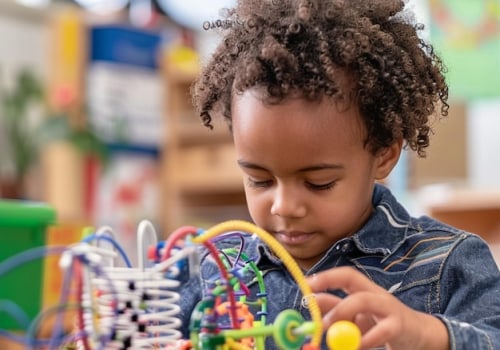
In an era where traditional educational methods are being re-evaluated, the concept of fun learning for kids has gained significant traction. This innovative approach to education emphasises the integration of play into everyday activities, transforming mundane tasks into engaging learning experiences. By doing so, parents and educators can create an environment where children not only acquire knowledge but also develop a genuine love for learning. The significance of this method lies in its ability to cater to various learning styles, making education more accessible and enjoyable for every child.At the heart of fun learning for kids is the understanding that children are naturally curious and eager to explore their surroundings.
When learning is infused with elements of play, it becomes a dynamic process that encourages creativity, critical thinking, and problem-solving skills. For instance, simple activities like cooking or gardening can be transformed into rich educational experiences that teach children about mathematics, science, and even social responsibility. This holistic approach not only enhances cognitive development but also nurtures emotional intelligence and social skills.Moreover, integrating educational activities into daily routines fosters a sense of accomplishment and boosts self-esteem in children. When they see the direct application of what they learn in real-life situations, it reinforces their understanding and retention of information.
As parents engage their children in these fun learning experiences, they also strengthen their bond through shared moments of discovery and joy. Ultimately, embracing fun learning for kids paves the way for lifelong learners who view education as an exciting adventure rather than a chore.
The Importance of Play in Learning
Play is not merely a pastime for children; it is a fundamental component of their learning journey. The importance of play in learning cannot be overstated, as it serves as a catalyst for both cognitive development and emotional intelligence. When children engage in play, they are not just having fun; they are actively constructing knowledge and understanding the world around them.One of the primary benefits of playful learning is its ability to enhance cognitive development.Through play, children explore concepts such as cause and effect, problem-solving, and critical thinking. For instance, when a child builds a tower with blocks, they experiment with balance and gravity, learning about physics in a hands-on manner. This type of experiential learning is far more effective than traditional rote memorisation, as it allows children to apply their knowledge in real-world scenarios.Moreover, play encourages creativity and imagination. When children engage in role-playing or storytelling, they learn to think outside the box and develop innovative ideas.
This creative process not only fosters their artistic abilities but also enhances their capacity for abstract thinking—skills that are invaluable throughout their educational journey and beyond.In addition to cognitive benefits, play significantly contributes to the development of emotional intelligence. Through interactive play with peers, children learn to navigate social situations, understand different perspectives, and manage their emotions. For example, when playing a game that requires teamwork, children must communicate effectively and resolve conflicts amicably. These experiences teach them empathy and cooperation, essential skills for building healthy relationships.Furthermore, playful learning can help reduce anxiety and stress in children.
Engaging in fun activities allows them to express themselves freely and provides an outlet for their emotions. This emotional release is crucial for mental well-being and can lead to improved focus and concentration during more structured learning activities.In summary, the role of play in learning is multifaceted. It not only enhances cognitive skills but also nurtures emotional growth. By recognising the benefits of playful learning, parents and educators can create enriching environments that promote holistic development in children.
Embracing play as a vital educational tool ensures that learning remains an enjoyable adventure rather than a chore.
Incorporating Learning into Daily Routines
Transforming daily routines into fun learning for kids can significantly enrich their educational journey while making mundane tasks enjoyable. Here are some practical examples of how parents can seamlessly integrate learning into everyday activities:Cooking Together
Involving children in the kitchen is a fantastic way to teach them about nutrition and basic cooking skills. As you prepare meals, you can introduce mathematical concepts by asking them to:- Measure Ingredients: Encourage your child to measure out ingredients, which helps them understand fractions and volume. For example, ask them to find out how many half-cups make a whole cup.
- Count Items: If you're making a recipe that requires multiple items, such as eggs or potatoes, have your child count them as they go into the bowl.
- Discuss Nutrition: Talk about the nutritional value of different foods, fostering an understanding of healthy eating habits.
Cleaning as a Learning Experience
Cleaning doesn’t have to be a chore; it can be transformed into an engaging activity.Here’s how:
- Set Timed Challenges: Use a timer to challenge your kids to see how much they can clean within a set period. This not only makes cleaning fun but also teaches them about time management.
- Sorting Games: Turn tidying up into a game by asking your child to sort toys by colour, size, or type. This enhances their organisational skills and categorisation abilities.
- Discuss Responsibility: Use this opportunity to talk about the importance of maintaining a clean environment and how it contributes to overall well-being.
Shopping Adventures
Grocery shopping can be an educational outing. Here are some ways to make it fun:- Budge Management: Give your child a small budget and let them choose items within that limit.
This teaches them about money management and decision-making.
- Item Hunt: Create a scavenger hunt by asking your child to find specific items on your shopping list. This enhances their reading skills and helps them learn about different products.
- Nutritional Discussions: Discuss the nutritional information on labels, helping them understand what makes food healthy or unhealthy.
Gardening Projects
If you have access to a garden, involving children in gardening activities can be both educational and rewarding. Consider these approaches:- Planting Seeds: Teach your child about plant biology by allowing them to plant seeds and observe their growth over time. Discuss the life cycle of plants and the importance of sunlight and water.
- Caring for Plants: Assign responsibilities such as watering or weeding, which instills a sense of responsibility and care for living things.
- Nature Exploration: Use gardening as an opportunity to explore local wildlife and insects, discussing their roles in the ecosystem.
Not only do these tasks provide educational value, but they also strengthen family bonds through shared activities that are both fun and informative.
Creative Play: Making Learning Fun
Engaging children in creative play is an excellent way to transform everyday activities into enjoyable learning experiences. By incorporating various forms of play, parents can help their children develop essential skills while ensuring that the process remains fun and stimulating. Here are some effective strategies to integrate creative play into daily life:Educational Games
Games are a fantastic way to make learning enjoyable. Consider the following:- Math Games: Use board games like Monopoly or card games that require counting and strategy.
These games not only teach mathematical concepts but also enhance critical thinking and decision-making skills.
- Word Games: Engage your child with Scrabble or Boggle to improve their vocabulary and spelling. You can also create your own word search puzzles based on their interests.
- Science Experiments: Simple home experiments can be turned into games. For example, challenge your child to create a volcano using baking soda and vinegar, turning a science lesson into an exciting activity.
Arts and Crafts
Arts and crafts provide a wonderful outlet for creativity while teaching various concepts:Arts and crafts provide a wonderful outlet for creativity while teaching various concepts:- Creative Collages: Encourage your child to create collages using magazines, newspapers, or natural materials. This activity enhances fine motor skills and allows them to express their thoughts visually.
- Themed Art Projects: Choose themes based on seasons, holidays, or family events.
For instance, making decorations for a birthday party can teach planning and organisation while being fun.
- Recycled Art: Use recyclable materials to create art projects. This not only fosters creativity but also teaches children about sustainability and the importance of recycling.
Outdoor Activities
Outdoor play is crucial for physical development and can be educational as well:- Nature Walks: Take your child on nature walks where they can observe plants, animals, and insects. Encourage them to ask questions about their surroundings, fostering curiosity and exploration.
- Scavenger Hunts: Create a scavenger hunt list of items found in nature, such as specific leaves or rocks. This activity promotes observation skills and adds an element of excitement to outdoor exploration.
- Gardening Projects: Involve your child in gardening tasks.
Planting seeds and caring for plants teaches responsibility while providing lessons in biology and ecology.
Using Technology to Enhance Learning Opportunities
In the modern educational landscape, technology plays a pivotal role in enhancing learning opportunities for children. By leveraging educational appseducational apps and online resources, parents can create engaging and interactive experiences that make learning enjoyable and effective.Utilising Educational Apps
- Interactive Learning: Numerous apps are designed to transform learning into a fun experience through games and challenges. For example, platforms like Khan Academy Kids and ABCmouse offer a variety of subjects tailored to different age groups, making it easy for children to explore new concepts at their own pace.
- Skill Development: Many educational apps focus on essential skills such as mathematics, reading, and problem-solving.
Tools like Prodigy Math and Duolingo turn learning into an adventure, encouraging children to engage with the material actively.
- Progress Tracking: A significant advantage of educational apps is their ability to track progress. Many applications provide features that allow parents to monitor their child's development, helping identify areas where additional support may be needed.
Incorporating Digital Learning Tools
- Online Resources: Websites such as National Geographic Kids and Starfall offer a wealth of resources that can supplement what children learn in school. These platforms provide interactive content that captivates young learners while reinforcing educational concepts.
- YouTube Educational Channels: Channels like Cosmic Kids Yoga and The Brain Scoop combine fun with education, making it easy for parents to integrate learning into daily routines. These channels often present complex topics in an accessible manner, sparking curiosity and engagement.
- Virtual Field Trips: Technology enables families to explore the world from the comfort of their homes.
Virtual tours of museums, zoos, and historical sites can ignite a child's interest in different cultures and sciences, providing enriching experiences that extend beyond traditional classroom settings.
A Balanced Approach to Technology in Education
While technology offers numerous benefits for enhancing learning opportunities, it is crucial for parents to maintain a balanced approach. Setting limits on screen time ensures that children do not become overly reliant on digital tools. By thoughtfully integrating these resources into everyday tasks, parents can cultivate a love for learning that lasts a lifetime.
Encouraging Curiosity and Exploration
Fostering curiosity in children is essential for their development and can significantly enhance their learning experiences. When children are encouraged to explore their surroundings, they not only gain knowledge but also develop critical thinking skills and a sense of independence.Here are some effective strategies to promote curiosity and exploration:
- Ask Open-Ended Questions: Instead of providing straightforward answers, engage your child with questions that require them to think critically. For instance, instead of asking, "Is this a butterfly?" you might ask, "What do you notice about this butterfly that makes it different from others?" This approach encourages deeper thinking and exploration.
- Provide Hands-On Experiences: Children learn best when they can touch, feel, and manipulate objects. Involve them in activities such as cooking, gardening, or building with blocks. These hands-on experiences not only spark interest but also lead to a deeper understanding of concepts.
- Explore Nature Together: Regular trips to parks, forests, or beaches can be incredibly beneficial.
Encourage your child to observe the different plants and animals they encounter. You can turn these outings into scavenger hunts by creating a list of items for them to find, which adds an element of fun while learning about biodiversity.
- Encourage Creative Play: Provide materials for creative play such as art supplies, building kits, or even recycled items. Allowing children to create freely fosters imagination and problem-solving skills. For example, you could set up a craft station where they can build models or create artwork based on their interests.
- Model Curiosity: Show your own interest in learning by exploring new topics together.
Whether it’s visiting a museum or watching educational documentaries, your enthusiasm will inspire them to be curious as well. Share your discoveries and ask for their opinions to create an engaging dialogue.
FAQs About Fun Learning for Kids
Parents often seek effective ways to incorporate fun learning for kids into their daily routines.Below are some frequently asked questions that can provide valuable insights and strategies for making learning an enjoyable experience.
What are some ways to make learning fun for kids?
- Incorporate Games: Use board games or card games that involve counting, spelling, or strategy. These games can turn learning into a playful competition, making it more engaging.
- Utilise Storytelling: Transform mundane activities into captivating stories. For instance, while cooking, narrate a tale about the ingredients and their origins, which can spark interest in both cooking and history.
- Explore Nature:Explore Nature: Take walks in parks or nature reserves and encourage your child to observe and ask questions about the plants, animals, and ecosystems they encounter. This not only promotes curiosity but also enhances their understanding of the environment.
- Engage in Arts and Crafts: Participate in art projects that teach concepts like colours, shapes, and measurements.
Crafting can be a fun way to learn while allowing children to express their creativity.
What are the benefits of playful learning?
- Encourages Creativity: When children learn through play, they are more likely to think outside the box and develop innovative ideas. This creative thinking is essential for problem-solving in later life.
- Improves Retention: Engaging in fun activities helps children remember information better than traditional rote learning methods. The enjoyment associated with these activities makes the information more memorable.
- Builds Social Skills: Group activities foster teamwork and communication, which are essential skills for future interactions. Learning to collaborate with peers during play can enhance social development.
- Boosts Motivation: Fun learning experiences ignite a child's passion for knowledge, making them more eager to learn.
When children associate learning with enjoyment, they are more likely to pursue new topics independently.
Conclusion: Embracing Everyday Learning Opportunities
In summary, the journey of transforming everyday tasks into fun learning for kids is not only a creative approach to education but also a vital strategy for fostering a lifelong love of learning. Throughout this article, we have explored various methods that parents can employ to make routine activities engaging and educational. By integrating learning into daily life, we can create an environment where children thrive both academically and personally.The importance of these everyday learning experiences cannot be overstated.They provide children with opportunities to develop essential skills such as problem-solving, critical thinking, and social interaction. When children engage in activities like cooking, gardening, or even cleaning, they are not merely completing chores; they are acquiring knowledge and skills that will serve them well throughout their lives.Here are some key takeaways to remember:
- Learning through play: Incorporating play into educational activities enhances retention and understanding, making learning enjoyable.
- Everyday tasks as learning tools: Simple chores can be transformed into valuable lessons in mathematics, science, and social skills.
- Encouragement and creativity: Celebrating your child's efforts and using creative approaches can make learning feel like an adventure rather than a chore.
- Consistency is key: Regularly integrating these fun learning opportunities into your daily routine reinforces the idea that education is a continuous process.