In the realm of education, particularly in language acquisition, the significance of fun learning for kids cannot be overstated. Children are inherently curious and possess an innate desire to explore the world around them. When language learning is infused with enjoyable methods, it transforms into an exciting journey rather than a daunting task. This shift in perspective is crucial; it not only captures their attention but also fosters a deeper connection with the language being learned.Engaging methods such as games, songs, and interactive storytelling serve as powerful tools in enhancing children's language skills. cannot be overstated. Children are inherently curious and possess an innate desire to explore the world around them. When language learning is infused with enjoyable methods, it transforms into an exciting journey rather than a daunting task. This shift in perspective is crucial; it not only captures their attention but also fosters a deeper connection with the language being learned.Engaging methods such as games, songs, and interactive storytelling serve as powerful tools in enhancing children's language skills.
These activities stimulate various senses and encourage active participation, which is essential for effective learning. Research indicates that children are more likely to retain information when they are emotionally engaged and having fun. Therefore, incorporating elements of play into language lessons can significantly improve retention rates and overall comprehension.Moreover, when children associate language learning with enjoyment, they develop a positive attitude towards education. This enthusiasm can lead to increased motivation and a willingness to tackle challenges head-on.
By prioritising fun in language education, we create an environment where children feel safe to experiment with new vocabulary and phrases without the fear of making mistakes. This nurturing atmosphere not only builds confidence but also cultivates a lifelong love for learning.As we delve deeper into the various methods that promote fun learning for kids, it becomes evident that these approaches are not merely whimsical ideas; they are essential strategies that enhance engagement and retention in language acquisition. By embracing the importance of fun in language learning, we set the stage for a rich and rewarding educational experience that resonates with young learners.
Interactive Games: Making Language Learning Playful
When it comes to interactive games for language learning, the possibilities are endless. These games not only make the process of acquiring a new language enjoyable but also foster a sense of community and collaboration among young learners.Here are some engaging methods to incorporate games into language lessons:
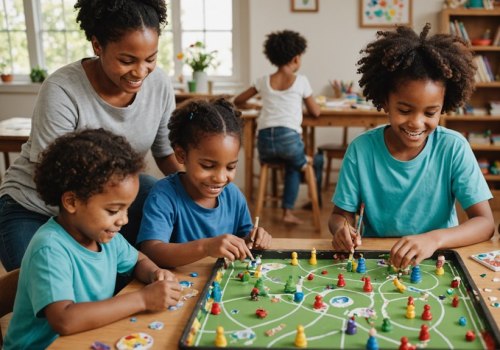
Board Games
Traditional board games can be easily adapted for language learning, providing a familiar yet exciting platform for children to practice their skills. Here are a few ideas:- Custom Scrabble: Create a version of Scrabble using vocabulary from the target language. This encourages children to think critically about word formation while expanding their vocabulary.
- Pictionary: Use drawings to represent words or phrases in the foreign language. This visual element helps reinforce memory and understanding.
- Language Bingo: Design bingo cards filled with vocabulary words.
As you call out definitions or translations, children can mark their cards, making it a fun and competitive way to learn.
Flashcard Activities
Flashcards are a versatile tool that can be transformed into various engaging activities:- Memory Matching: Create pairs of flashcards with words and corresponding images. Children can take turns flipping cards to find matches, reinforcing their memory through repetition.
- Bingo Games: Similar to traditional bingo, but with flashcards featuring vocabulary words. This encourages listening skills as children must identify words based on your calls.
- Flashcard Races: Organise a timed challenge where children race to match words with their meanings or images, adding an element of excitement and urgency.
Role-Playing Scenarios
Role-playing is an excellent way for children to practice speaking in real-life contexts:- Everyday Situations: Set up scenarios such as shopping at a market or ordering food in a restaurant. This practical application helps children understand how language is used in daily life.
- Character Role-Play: Allow children to choose characters from their favourite stories or films and act out scenes in the target language.
This not only enhances vocabulary but also boosts confidence in speaking.
- Language Charades: Incorporate vocabulary from the target language into charades, where children act out words or phrases without speaking, encouraging creativity and teamwork.
Digital Language Apps
The digital age has brought forth numerous apps designed specifically for fun language games for kids. These applications often include interactive features that make learning engaging:- Gamified Learning: Apps like Duolingo use game mechanics such as rewards and levels to motivate children, making the learning process feel like an adventure.
- Audiovisual Elements: Many apps incorporate videos and songs, helping children associate words with sounds and images, which enhances understanding and retention.
- Social Interaction: Some platforms allow children to connect with peers or native speakers, providing opportunities for real-life practice that is essential for mastering a new language.
Storytelling and Role-Playing: Engaging Imagination and Language Skills
Storytelling and role-playing are not just entertaining activities; they are powerful pedagogical tools that can significantly enhance language learning for children. By weaving narratives and engaging in imaginative play, children can develop their vocabulary, grammar, and overall language skills in a context that feels natural and enjoyable.Storytelling in Language Learning
Interactive storytelling is an excellent method for immersing children in a new language.When children participate in the storytelling process, they become active learners rather than passive recipients of information. Here are some effective ways to incorporate storytelling into language lessons:
- Read Aloud: Choose age-appropriate stories in the target language. As you read, pause to ask questions or encourage predictions about what might happen next. This keeps children engaged and allows them to practice their speaking skills.
- Story Creation: Encourage children to create their own stories using a mix of familiar vocabulary and newly learned words.
They can illustrate their stories, which adds a visual element that reinforces learning and makes the experience more memorable.
- Story Retelling: After reading a story, ask children to retell it in their own words. This exercise helps them practice sentence structure and improves their speaking skills while boosting their confidence.
Role-Playing Activities
Role-playing takes storytelling a step further by allowing children to act out scenarios using the foreign language. This method not only builds vocabulary but also enhances conversational skills. Here are some engaging role-playing activities:- Real-Life Scenarios: Set up role-playing situations that mimic everyday activities, such as shopping at a market or ordering food at a restaurant.
This practical application of language makes learning relevant and fun.
- Character Role-Play: Let children choose characters from their favourite stories or movies and act out scenes. This not only enhances their vocabulary but also boosts their confidence in speaking.
- Language Games: Incorporate games like charades or Pictionary using vocabulary from the target language. These games encourage teamwork and make learning enjoyable while reinforcing language skills.
The Role of Music and Songs in Language Acquisition
Integrating music and songs into language learning is a powerful strategy that can significantly enhance children's engagement and retention of new vocabulary and grammar.The rhythmic and melodic nature of music makes it an ideal tool for teaching foreign languages, as it taps into children's natural love for sound and rhythm.
Sing-Alongs
: One of the most enjoyable ways to incorporate music into language lessons is through sing-alongs. Selecting popular children’s songs in the target language, such as "Frère Jacques" or "La Cucaracha," allows kids to practice pronunciation and intonation in a fun, relaxed setting. Singing together not only boosts their confidence but also helps them internalise the sounds and structures of the new language.
Lyric Analysis
: Another effective method is to analyse song lyrics. Choose songs with simple yet meaningful lyrics, and engage children in discussions about their themes and vocabulary.
This activity not only expands their vocabulary but also enhances comprehension skills. For example, using familiar Disney songs translated into different languages can make the learning process both relatable and educational.
Create Parodies
: Encouraging children to create their own parodies of well-known songs can be a delightful way to reinforce language skills. By changing the lyrics to include new vocabulary or phrases they have learned, children exercise their creativity while solidifying their understanding of the language.
Musical Games
: Incorporating games that involve music can further enhance the learning experience. For instance, playing musical chairs with a twist—where children must answer questions related to the song or vocabulary when the music stops—adds an element of excitement and competition.
This not only reinforces their learning but also encourages teamwork.The cognitive benefits of using music in education are well-documented. Music enhances listening skills, which are crucial for language acquisition, as it requires active engagement with sounds and rhythms. Additionally, singing in a group setting can reduce anxiety about speaking a new language, allowing children to express themselves more freely.Moreover, through music, children gain cultural insights that enrich their understanding of the language they are learning. By exploring songs from various cultures, they develop an appreciation for diversity and learn about the context in which the language is used.In summary, incorporating music into language lessons not only makes learning enjoyable but also creates lasting memories that significantly aid in mastering a foreign language.
By embracing these musical methods, educators can foster a love for languages that will benefit children throughout their lives.
Crafts and Hands-On Activities: Learning Through Creativity
Incorporating crafts and hands-on activities into language learning not only makes the process enjoyable but also reinforces language skills through creativity. Engaging children in creative projects allows them to express themselves while simultaneously absorbing new vocabulary and concepts. Here are some innovative ideas that can enhance language acquisition through fun and interactive methods.Language-Themed Art Projects
Art projects can be a fantastic way to connect language learning with creativity. Here are a few ideas:- Animal Masks: If children are learning animal vocabulary, they can create masks representing different animals.
As they craft, encourage them to name each animal in the target language, reinforcing their vocabulary.
- Story Illustrations: After reading a story in the target language, children can illustrate their favourite scenes. This not only helps with comprehension but also allows them to use descriptive language as they explain their drawings.
- Word Collages: Provide magazines or printed images related to the vocabulary being studied. Children can cut out pictures and words to create collages that represent themes or stories, which they can then present in the target language.
DIY Flashcards
Creating flashcards is a classic yet effective method for reinforcing vocabulary. Here’s how to make it engaging:- Personalised Flashcards: Have children design their own flashcards using colourful paper and markers.
They can draw pictures and write words in both their native language and the new language, making it a personal study tool.
- Flashcard Games: Turn flashcard learning into a game by playing memory matching or bingo. This not only makes learning fun but also encourages repetition, which is key for retention.
Cultural Crafts
Exploring the culture associated with the language being learned can deepen understanding and make lessons more engaging:- Papel Picado: If learning Spanish, children can create papel picado (decorative paper cutouts) while learning related vocabulary about celebrations and traditions.
- Origami: Introduce children to origami while teaching them Japanese vocabulary. As they fold paper into shapes, they can learn the names of each step in the target language.
Interactive Language Games
Hands-on activities that incorporate games can significantly enhance engagement:- Scavenger Hunts: Organise scavenger hunts where children must find items around the house or classroom that correspond to vocabulary words in the target language. This encourages movement and active participation.
- Board Games: Create custom board games that require players to use the target language to advance.
This could involve answering questions or completing tasks related to vocabulary.
Utilising Technology: Apps and Online Resources for Language Learning
In the modern educational landscape, technology has become an indispensable tool for enhancing language learning, particularly for children. With the advent of language learning apps and online resources, children can engage with foreign languages in a way that is both interactive and enjoyable. These digital platforms are designed to cater to young learners, making the process of acquiring a new language feel like a game rather than a chore.Language Learning Apps for Kids
- Duolingo: This popular app uses gamification to motivate children through levels and rewards.
Its bite-sized lessons make it easy for kids to learn vocabulary and grammar in a fun, engaging manner.
- Babbel: Tailored for older children, Babbel offers interactive lessons that focus on real-life conversations. The app’s structured approach helps learners build confidence as they progress.
- Rosetta Stone: Known for its immersive method, Rosetta Stone encourages children to think in the target language through visual and auditory cues, making it an effective tool for language acquisition.
- Memrise: This app employs spaced repetition and mnemonic techniques to help children remember vocabulary. Its engaging videos featuring native speakers provide context and cultural insights.
Online Resources for Language Acquisition
Beyond apps, there are numerous online resources that can complement language learning:
- YouTube Channels: Channels dedicated to language learning often feature songs, stories, and lessons tailored for children. These visual aids can enhance understanding and retention.
- Interactive Websites: Websites like PBS Kids offer games and activities that incorporate language learning into fun challenges, allowing children to practice their skills in an enjoyable setting.
- Bilingual E-books: Digital libraries provide access to bilingual books that can help children improve their reading skills while exposing them to new vocabulary in context.
By allowing children to explore languages at their own pace, these tools encourage curiosity and a love for learning. As technology continues to evolve, the potential for innovative language learning experiences will only expand, making it an exciting time for young language enthusiasts.
Cultural Immersion: Enhancing Language Learning Through Experience
Cultural immersion is a powerful approach to language learning that goes beyond traditional classroom methods. By engaging children in real-world experiences, they can develop a deeper understanding of the language and its cultural context. This experiential learning not only enhances their language skills but also fosters a genuine appreciation for the culture associated with the language.One effective way to immerse children in a new language is through cooking classes.These classes provide an interactive environment where children can learn to prepare traditional dishes while following recipes in the target language. As they chop, mix, and taste, they are exposed to culinary vocabulary and phrases, making the learning process both enjoyable and practical. For instance, while making Italian pasta, children can learn words related to ingredients, cooking techniques, and even cultural significance behind the dish.
Community events
also serve as excellent opportunities for cultural immersion. Many communities host festivals that celebrate various cultures, offering children a chance to experience the language in a lively setting.
Events such as Diwali celebrations or Chinese New Year festivities allow kids to hear the language spoken naturally while enjoying music, dance, and food. This exposure helps them understand the rhythm and nuances of the language in a fun and engaging way.Another enriching method is organising language exchange playdates. By connecting with native speakers or other learners, children can practice their language skills in a relaxed environment. Through games and activities, they can communicate in the target language while building friendships.
This not only reinforces their vocabulary but also boosts their confidence in speaking.The benefits of cultural immersion are manifold. It helps children develop language proficiency in a natural setting, enhances cognitive skills, and fosters an appreciation for diversity. When children see the practical application of a language within its cultural context, they are more likely to engage with it enthusiastically. By embracing these immersive experiences, parents and educators can cultivate a lifelong love for languages in young learners.This not only reinforces their vocabulary but also boosts their confidence in speaking.The benefits of cultural immersion are manifold. It helps children develop language proficiency in a natural setting, enhances cognitive skills, and fosters an appreciation for diversity. When children see the practical application of a language within its cultural context, they are more likely to engage with it enthusiastically. By embracing these immersive experiences, parents and educators can cultivate a lifelong love for languages in young learners.
Frequently Asked Questions About Fun Language Learning for Kids
When it comes to fun learning for kids, parents often have numerous questions about the best approaches to teaching foreign languages.Below are some of the most frequently asked questions that can help guide your language education journey.
What age is best to start teaching a foreign language?
Experts generally agree that the earlier a child is introduced to a foreign language, the better. Children are particularly adept at absorbing new languages before the age of seven, as their brains are highly receptive to new sounds and structures. However, it’s important to note that engaging methods can make language learning enjoyable and effective at any age.How can I make language learning fun?
Incorporating a variety of interactive activities can significantly enhance the learning experience. Here are some ideas:- Games: Use board games or card games that incorporate vocabulary from the target language.
- Songs: Sing nursery rhymes or popular children’s songs in the foreign language to improve pronunciation and rhythm.
- Storytelling: Engage children in storytelling sessions where they can participate and use new vocabulary.
Are there specific resources you recommend?
There is a wealth of resources available for language learning.Some popular options include:
- Apps: Language learning apps like Duolingo for Kids or Babbel offer interactive lessons tailored for young learners.
- Bilingual Books: Look for children's literature that is available in both the native and target languages.
- YouTube Channels: Many channels focus on teaching languages through engaging videos designed for children.
How important is immersion?
Immersion is a powerful tool in language acquisition. Whenever possible, expose your child to environments where the target language is spoken. This could involve:- Attending cultural events or festivals that celebrate the language.
- Setting up playdates with native speakers.
- Utilising online platforms for language exchange with peers from different countries.
What role do parents play in their child's language learning?
Parents play a crucial role in creating a supportive and encouraging environment for language learning. Here are some tips:- Celebrate Progress: Acknowledge your child's achievements, no matter how small, to boost their confidence.
- Integrate Language into Daily Life: Label household items in the target language or incorporate it into family routines.
- Create a Fun Learning Atmosphere: Keep lessons light-hearted and enjoyable to foster a love for languages.
Conclusion: Embracing Fun as a Core Element of Language Learning
In summary, the journey of language learning for children should be an exciting and enjoyable adventure, rather than a daunting task.Throughout this article, we have explored various engaging methods that highlight the importance of fun learning for kids. By integrating playful activities into language education, we can significantly enhance children's motivation and retention of new vocabulary and concepts.We have seen how interactive games, storytelling, music, and hands-on activities can transform traditional language lessons into dynamic experiences. These methods not only capture children's attention but also encourage them to actively participate in their learning process. When children are engaged in fun activities, they are more likely to develop a positive attitude towards language acquisition, which is crucial for long-term success.Moreover, incorporating cultural elements into language learning enriches the experience further.
By exposing children to the cultural context of the language they are learning, we help them understand its practical applications and significance. This not only fosters a deeper appreciation for the language but also cultivates empathy and curiosity about different cultures.As parents and educators, it is essential to create an environment where children feel safe to explore and experiment with their language skills. Encouraging creativity through crafts, role-playing, and collaborative projects can build confidence and enthusiasm for learning. The key is to maintain a light-hearted atmosphere that prioritises enjoyment over perfection.Ultimately, embracing fun as a core element of language learning is not merely an option; it is a necessity.
By prioritising enjoyable methods in our teaching approaches, we can inspire a lifelong love for languages in children. As they embark on this linguistic journey filled with joy and discovery, we equip them with valuable skills that will serve them well throughout their lives.