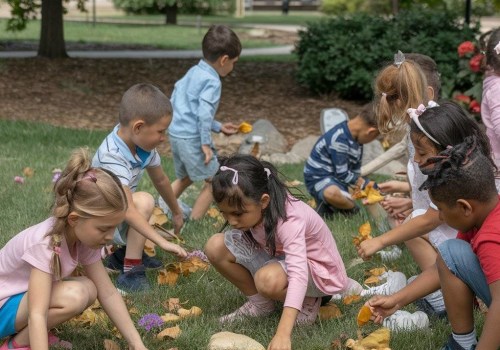
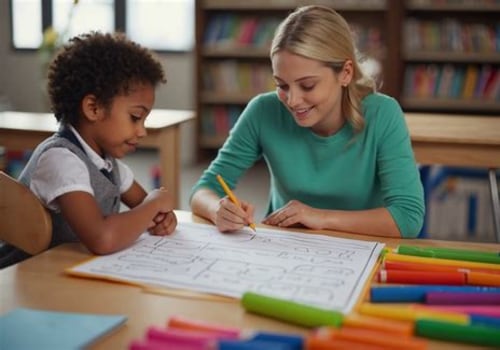
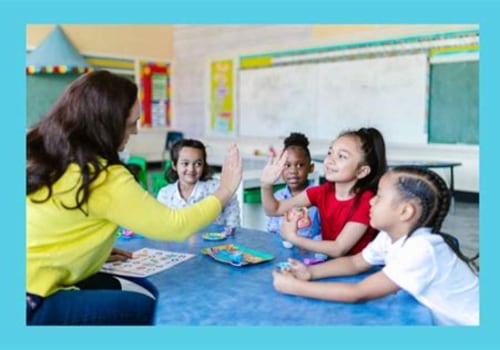
In an age where technology permeates every aspect of our lives, the educational landscape is undergoing a significant transformation. Fun learning for kidsFun learning for kids has become a pivotal focus for educators and parents alike, as they seek innovative ways to engage young minds. Traditional teaching methods often struggle to capture the attention of today’s digitally-savvy children, leading to a growing interest in alternative approaches that make learning enjoyable and effective. One such approach is the integration of virtual reality (VR) into educational settings, which has the potential to revolutionise how children learn.Virtual reality offers immersive experiences that transport students into interactive environments, allowing them to explore subjects in ways that textbooks simply cannot provide.
Imagine a classroom where children can dive into the depths of the ocean to study marine biology or walk through ancient civilisations to understand history firsthand. This level of engagement not only captivates their attention but also enhances their comprehension and retention of complex concepts. By transforming traditional learning into an adventure, VR makes fun learning for kids not just a possibility but a reality.The benefits of incorporating VR into education extend beyond mere engagement. Research has shown that immersive learning experiences can foster critical thinking skills, enhance problem-solving abilities, and promote collaboration among peers.
As children navigate challenges within virtual environments, they develop essential skills that prepare them for future academic and professional pursuits. In this context, virtual reality emerges as a powerful tool that not only entertains but also educates, paving the way for a new era of interactive learning.
Understanding Virtual Reality: A New Educational Tool
Virtual Reality (VR) is an innovative technology that creates a simulated environment, allowing users to engage with a three-dimensional space as if they were physically present. This immersive experience is achieved through a combination of advanced hardware and software, which together generate realistic visuals, sounds, and sometimes even tactile feedback. Understanding the components and types of VR is essential for educators and parents who wish to leverage this technology to enhance fun learning for kids.Components of Virtual Reality
- Head-Mounted Displays (HMDs): These are the most recognisable devices in VR, worn on the head like goggles.
They provide a stereoscopic view that immerses the user in a virtual world, making the experience feel incredibly lifelike.
- Motion Tracking Sensors: These sensors monitor the user's movements, allowing them to look around and interact with the virtual environment naturally. This tracking capability is crucial for creating a seamless experience that responds to the user's actions.
- Input Devices: Controllers or gloves enable users to manipulate objects within the VR space. These devices enhance interactivity, allowing children to engage with their surroundings in meaningful ways.
Types of Virtual Reality Technology
There are several types of VR technologies, each designed to cater to different experiences:
- Non-Immersive VR: This type allows users to interact with a virtual environment through a computer screen without needing special equipment. It is often used in educational games and simulations, making it accessible for various learning scenarios.
- Fully Immersive VR: This offers a complete sensory experience where users are entirely surrounded by the virtual environment.
It typically requires HMDs and motion tracking systems, providing an unparalleled level of engagement.
- Augmented Reality (AR): While not traditional VR, AR overlays digital information onto the real world. This technology enhances learning by providing interactive elements within familiar contexts, making it easier for children to grasp complex concepts.
The Importance of Fun Learning for Kids
In the realm of education, the concept of fun learning has gained significant traction, and for good reason. Engaging educational methods are not merely a trend; they are essential for fostering children's overall development.When learning is infused with enjoyment, it creates an environment where children are more likely to participate actively, leading to a deeper understanding of the material.The importance of fun learning can be understood through its profound impact on both psychological and cognitive growth. Research has shown that when children engage in playful learning, they experience a reduction in anxiety and an increase in motivation. This positive emotional state is crucial for effective learning, as it encourages exploration and curiosity.When learning is infused with enjoyment, it creates an environment where children are more likely to participate actively, leading to a deeper understanding of the material.The importance of fun learning can be understood through its profound impact on both psychological and cognitive growth. Research has shown that when children engage in playful learning, they experience a reduction in anxiety and an increase in motivation. This positive emotional state is crucial for effective learning, as it encourages exploration and curiosity.
- Enhanced Retention: Fun learning experiences often lead to improved memory retention. When children associate knowledge with enjoyable activities, they are more likely to remember what they have learned.
This connection between enjoyment and retention is vital in ensuring that educational content sticks with them long after the lesson has ended. This connection between enjoyment and retention is vital in ensuring that educational content sticks with them long after the lesson has ended.
- Critical Thinking Skills: Engaging educational methods promote critical thinking and problem-solving abilities. Through play, children learn to navigate challenges and think creatively. For instance, when faced with a problem in a game or interactive scenario, they must devise strategies to overcome obstacles, thereby honing their analytical skills.
- Social Skills Development: Fun learning environments often involve collaboration with peers, which helps children develop essential social skills such as communication, teamwork, and empathy. These interactions not only enhance their learning experience but also prepare them for future social situations.
This experiential approach not only makes learning enjoyable but also reinforces theoretical knowledge through practical application. For example, using games or interactive activities can transform abstract ideas into tangible experiences, making them easier for children to grasp.In conclusion, the significance of fun learning cannot be overstated. By integrating enjoyment into educational practices, we can create a more effective and enriching learning environment for children. This foundation sets the stage for innovative tools like virtual reality to further enhance the educational experience, making learning not just informative but also truly enjoyable.
How Virtual Reality Makes Learning Fun
Virtual reality (VR) is revolutionising the educational landscape by transforming traditional learning into fun experiences that captivate and engage young minds.By immersing students in interactive environments, VR not only enhances their understanding of complex subjects but also makes learning an enjoyable adventure.One of the most compelling applications of VR in education is in the field of science. Imagine a classroom where students can explore the intricate systems of the human body from the inside out. With VR, learners can interact with 3D models of organs, observe how they function, and even simulate medical procedures. This hands-on experience allows students to grasp challenging biological concepts in a way that textbooks simply cannot provide.In addition to science, history education benefits immensely from VR technology.
Students can step into significant historical events, experiencing them as if they were actually there. For instance, they might walk through ancient Rome, attend a pivotal moment like the signing of the Magna Carta, or witness the fall of the Berlin Wall. Such immersive experiences not only make history feel alive but also foster a deeper appreciation for the past, encouraging students to engage critically with historical narratives.Art education is another area where VR shines brightly. Through virtual reality, students can enter famous artworks or even create their own masterpieces in a 3D space.
This innovative approach encourages creativity and self-expression, allowing children to experiment with different artistic techniques without the constraints of traditional materials. By engaging with art in this way, students develop a more profound understanding of artistic concepts and history.The interactivity offered by VR is a game-changer for fun learning for kids. Instead of passively absorbing information, students actively participate in their education. They can manipulate objects within a virtual environment, collaborate with peers on projects, or engage in gamified learning scenarios that reward progress and achievement.
This level of engagement not only makes learning enjoyable but also significantly improves retention rates.In conclusion, by integrating virtual reality into educational settings, we can create immersive and engaging subjects that captivate young minds and inspire a lifelong love for learning. The potential for VR to transform traditional educational methods into dynamic experiences is vast, paving the way for future generations to thrive in an increasingly complex world.
Interactive Learning with Virtual Reality
Virtual reality (VR) is redefining the landscape of education by introducing a level of interactivity that traditional learning methods often lack. This immersive technology allows students to engage with educational content in a way that is both enjoyable and effective, making learning a dynamic experience rather than a passive one.One of the most significant advantages of VR in education is its ability to create gamified learning scenarios. By incorporating game-like elements into educational activities, VR transforms lessons into engaging challenges that motivate students to participate actively.For instance, children can embark on virtual quests where they solve puzzles related to mathematics or science, earning rewards for their achievements. This approach not only makes learning fun but also encourages healthy competition among peers, fostering a sense of community and collaboration.Moreover, VR facilitates collaborative projects that enhance teamwork skills. In a virtual classroom, students can work together on assignments, regardless of their physical location. They can brainstorm ideas, share resources, and tackle challenges as a cohesive unit.
This collaborative aspect of VR not only enriches the learning experience but also mirrors real-world scenarios where teamwork is essential.The interactivity offered by VR significantly boosts student engagement. Research indicates that when learners are emotionally invested in their education, they are more likely to retain information and develop critical thinking skills. For example, a history lesson might involve students participating in a virtual reenactment of a significant event, allowing them to experience history firsthand rather than merely reading about it in textbooks. Such immersive experiences create lasting memories and deepen understanding.In conclusion, the integration of interactive elements through VR not only enhances engagement but also transforms the educational landscape into one where learning is synonymous with enjoyment.
By embracing this innovative technology, educators can cultivate an environment that inspires curiosity and fosters a lifelong love for learning.
Case Studies: Successful Implementation of VR in Classrooms
Virtual reality (VR) has made significant inroads into educational settings, providing innovative ways to enhance fun learning for kids. Several case studies illustrate the successful implementation of VR in classrooms, showcasing its potential to engage students and deepen their understanding of various subjects.One prominent example is the use of VR in a primary school in London, where students explored the human body through a 3D virtual environment. This immersive experience allowed them to interact with organs and systems, making complex biological concepts more tangible. The hands-on nature of this learning not only captivated the students' attention but also significantly improved their retention of the material.Another noteworthy initiative is the Google Expeditions program, which has been adopted by numerous schools globally.This program enables teachers to take students on virtual field trips to historical landmarks, underwater ecosystems, and even outer space. By experiencing these environments firsthand, students develop a richer appreciation for the subjects they study, transforming learning into an exciting adventure.In a high school in California, VR was integrated into the history curriculum through virtual reenactments of significant events, such as the signing of the Declaration of Independence. This immersive approach not only sparked interest among students but also encouraged critical thinking as they debated and discussed the implications of these historical moments in real-time.Furthermore, a pilot program in Australia focused on language acquisition, where students practiced conversational skills with virtual characters. This interactive method provided a safe space for learners to make mistakes and build confidence without fear of judgment, ultimately enhancing their language skills.These case studies demonstrate that when implemented thoughtfully, VR can transform traditional educational methods into engaging and effective learning experiences.
By incorporating fun learning for kids, educators can inspire a new generation of learners who are excited about their education and eager to explore the world around them.
Challenges and Considerations When Using VR for Learning
While the integration of virtual reality (VR) into educational settings offers exciting opportunities for fun learning for kids, it is essential to acknowledge the challenges and considerations that accompany this innovative technology. Understanding these factors can help educators and parents make informed decisions about implementing VR in classrooms.Technical Limitations
One of the most significant challenges in adopting VR for educational purposes is the technical limitations associated with the required hardware and software. High-quality VR headsets can be prohibitively expensive, making it difficult for many schools to invest in this technology. Additionally, the need for powerful computers or gaming consoles to run VR applications can further strain educational budgets.Moreover, technical issues such as software compatibility and hardware malfunctions can disrupt the learning experience.Educators must be prepared to troubleshoot these problems, which may require additional training or support. As a result, schools may face barriers in fully utilising VR's potential due to these technical constraints.
Health and Safety Concerns
Another critical consideration is the health and safety of students using VR technology. Prolonged use of VR headsets can lead to discomfort, including eye strain, headaches, and motion sickness. It is crucial for educators to monitor students during VR sessions and ensure they take regular breaks to mitigate these risks.Furthermore, the physical space required for VR activities must be safe and free from obstacles to prevent accidents.Schools should conduct thorough assessments of their environments before implementing VR programs to ensure that students can engage with the technology safely.
Content Quality and Relevance
The quality of educational content available in VR is another concern that educators must address. Not all VR experiences are created equal; some may lack educational value or fail to align with curriculum standards. It is vital for teachers to carefully evaluate VR resources to ensure they provide meaningful learning experiences that enhance understanding rather than distract from it.Training and Support for Educators
Finally, teachers may require additional training and support to effectively integrate VR into their teaching practices. Without proper training, educators may struggle to utilise VR technology effectively, which could hinder its potential benefits.Professional development opportunities focused on VR in education can help teachers feel more confident in using this innovative tool.In conclusion, while virtual reality has the potential to transform fun learning for kids, it is crucial to address these challenges and considerations. By being aware of the limitations and preparing adequately, educators can create a more effective and enjoyable learning environment that harnesses the power of VR.
Future Trends: The Evolution of Virtual Reality in Education
The future of virtual reality (VR) in education is set to be transformative, driven by rapid technological advancements and a deeper understanding of how immersive experiences can enhance fun learning for kids. As we look ahead, several key trends are emerging that promise to reshape the educational landscape.Increased Accessibility
: One of the most significant trends is the increasing accessibility of VR technology. As the costs associated with VR hardware and software continue to decline, more educational institutions are likely to adopt these tools.
This shift will enable a wider range of students to engage in interactive learning experiences, making education more inclusive. Schools that previously could not afford VR technology may find budget-friendly options that still provide high-quality educational content.
Personalised Learning Experiences
: The future of VR in education will also see a rise in personalised learning experiences. By leveraging artificial intelligence, VR applications can adapt educational content to suit individual learning styles and paces. This means that children can explore subjects at their own speed, allowing for a more tailored educational experience that enhances understanding and retention.
For instance, a student struggling with mathematics could receive additional support through interactive VR scenarios designed specifically for their needs.
Collaborative Learning Environments
: Innovations in VR will facilitate real-time collaboration among students, regardless of their physical location. Virtual classrooms will allow children to work together on projects, fostering teamwork and communication skills while making learning more enjoyable. Imagine students from different parts of the world collaborating on a science project in a shared virtual lab, exchanging ideas and insights as they conduct experiments together.
Gamification of Education
: The integration of game mechanics into educational VR experiences is another trend that is gaining momentum. By turning lessons into engaging games, children will be more motivated to learn, as they can earn rewards and achievements for their progress.
This gamified approach not only makes learning fun but also encourages healthy competition among peers, further enhancing engagement.
Real-World Simulations
: Future VR technologies will enable students to experience real-world scenarios in a safe environment. For example, they could conduct virtual science experiments or explore historical events without the risks associated with real-life experimentation or travel. This immersive approach allows learners to apply theoretical knowledge in practical situations, reinforcing their understanding and making learning both memorable and impactful.As these trends unfold, the potential for innovations in fun learning for kids through VR will expand significantly. Educators and developers must collaborate to create content that not only entertains but also educates effectively.
The ultimate goal is to ensure that immersive learning experiences become a standard part of the educational framework, preparing children for a future where technology plays an integral role in their lives.
FAQs About Virtual Reality and Fun Learning for Kids
As virtual reality (VR) technology becomes increasingly integrated into educational settings, many parents and educators have questions about its implications for children. Below are some frequently asked questions that address common concerns and misconceptions regarding the use of VR for fun learning.What age is appropriate for children to start using VR?
While there is no universally agreed-upon age for introducing children to VR, many platforms and experts suggest that children aged 8 and above are generally ready to engage with this technology. This recommendation is based on the cognitive development required to fully appreciate and interact with VR environments. At this age, children typically possess the necessary skills to understand the virtual context and can follow instructions effectively.Is VR safe for children?
When used responsibly, VR can be safe for children.However, it is crucial to monitor their usage closely. Here are some safety tips:
- Limit Usage Time: Prolonged exposure to VR can lead to discomfort, including eye strain or motion sickness. It is advisable to limit sessions to 20-30 minutes at a time.
- Regular Breaks: Encourage children to take breaks every 10-15 minutes to rest their eyes and prevent fatigue.
- Safe Environment: Ensure that the physical space where VR is used is free from obstacles to prevent accidents during movement.
Can VR really enhance learning?
Absolutely! Research has shown that immersive experiences provided by VR can significantly enhance engagement and understanding. For instance, students can explore historical sites or conduct science experiments in a virtual lab, making complex subjects more accessible and enjoyable.The interactive nature of VR encourages active participation, which is essential for effective learning.
Are there any misconceptions about VR in education?
A common misconception is that VR is merely a gaming tool with no educational value. In reality, VR offers a wide range of applications designed specifically for educational purposes. These include simulations that promote critical thinking, problem-solving skills, and collaborative learning experiences. By integrating fun learning into educational frameworks, VR can transform how children engage with various subjects.How does VR cater to different learning styles?
VR accommodates various learning styles by providing multi-sensory experiences that engage visual, auditory, and kinesthetic learners.This approach helps capture the attention of students who may struggle with traditional teaching methods, making it easier for them to grasp complex concepts through interactive exploration.In summary, understanding these aspects of virtual reality can help parents and educators make informed decisions about its use in children's education, ensuring that it serves as a valuable tool for enhancing fun learning experiences.
Conclusion: The Future of Fun Learning with Virtual Reality
As we conclude our exploration of the transformative role of virtual reality (VR) in education, it is evident that this innovative technology holds remarkable potential to revolutionise fun learning for kids. Throughout this article, we have delved into various aspects of VR, highlighting its ability to create immersive and interactive learning experiences that engage young minds in ways traditional methods often cannot.One of the most compelling advantages of VR is its capacity to foster a sense of curiosity and exploration. By allowing children to step into virtual worlds, whether it be the depths of the ocean or the heart of a historical event, VR not only captivates their attention but also deepens their understanding of complex subjects. This hands-on approach encourages active participation, which is crucial for effective learning.Moreover, the adaptability of VR to cater to different learning styles cannot be overlooked.With its multi-sensory experiences, VR can engage visual, auditory, and kinesthetic learners alike. This inclusivity ensures that all students have the opportunity to thrive in their educational journeys, making fun learning for kids more accessible than ever.As educators and parents consider the integration of VR into their teaching practices, it is essential to embrace this technology with an open mind. The future of education lies in our ability to harness innovative tools that not only enhance engagement but also prepare children for a rapidly evolving world. By incorporating VR into classrooms, we can cultivate critical thinking skills, creativity, and collaboration among students.In summary, the future of fun learning for kids through virtual reality is bright.
As we continue to explore and develop this technology, we must remain committed to creating enriching educational experiences that inspire a lifelong love for learning. The journey towards a more interactive and engaging educational landscape has just begun, and it is up to us to lead the way.