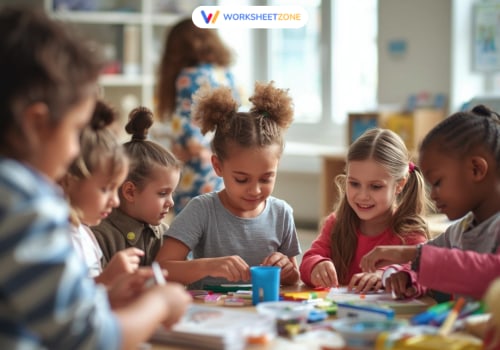
In the realm of early childhood education, play-based learning has emerged as a transformative approach that prioritises the natural instincts of children to explore, create, and engage with their surroundings. This method is not merely about allowing children to play; it is a structured educational philosophy that harnesses the power of play to facilitate fun learning for kids. By integrating play into the learning process, educators can create an environment where children are motivated to learn through hands-on experiences that resonate with their interests and curiosities.The significance of play-based learning extends beyond mere enjoyment; it lays the foundation for holistic development. Children are inherently curious beings, and when they are given the freedom to explore through play, they develop critical cognitive, social, and emotional skills.
This approach encourages them to ask questions, solve problems, and collaborate with peers, all while having fun. As they engage in various activities—whether it’s building with blocks, role-playing in imaginative scenarios, or participating in group games—they are not just playing; they are actively constructing knowledge and understanding their world.Moreover, the benefits of play-based learning are profound and multifaceted. Research has shown that children who engage in this type of learning exhibit improved academic performance, enhanced creativity, and better social skills compared to those who experience more traditional forms of education. By fostering an environment where fun learning for kids is at the forefront, we can cultivate a generation of learners who are not only knowledgeable but also passionate about their education.
As we delve deeper into this topic, we will explore the various dimensions of play-based learning and its lasting impact on children's development.
Understanding Play-Based Learning
Play-based learning
is an educational philosophy that centres around the idea that children learn best when they are actively engaged in play. This approach recognises that play is not just a leisure activity but a vital component of a child's development, encompassing cognitive, social, emotional, and physical growth. By allowing children to explore their interests through play, educators can create a rich learning environment that fosters curiosity and creativity.At its core, play-based learning is built on several key principles:
- Child-Centred Learning: This approach prioritises the interests and needs of the child. Learning activities are designed around what captivates the child's attention, making education more relevant and engaging.
- Active Engagement: Children learn by doing.
Through hands-on experiences, they can experiment, explore, and discover new concepts in a way that resonates with them.
- Social Interaction: Play often involves collaboration with peers. This interaction helps children develop essential social skills such as communication, teamwork, and empathy.
- Emotional Development: Play provides a safe space for children to express their feelings and understand the emotions of others, fostering emotional intelligence. Play provides a safe space for children to express their feelings and understand the emotions of others, fostering emotional intelligence.
- Free Play: This unstructured form of play allows children to choose their activities freely. It encourages creativity and self-expression as they navigate their interests without adult intervention.
- Guided Play: In this type, educators provide some structure while still allowing children to lead their learning. For example, a teacher might set up a science experiment but let the children decide how to conduct it.
- Structured Play: This involves specific activities designed to meet educational goals.
While it is more directed than free play, it still incorporates elements of fun and engagement.
Cognitive Benefits of Play-Based Learning
Play-based learning is a transformative approach that significantly enhances cognitive development in children. Through engaging in various forms of play, children are not only entertained but are also actively honing essential cognitive skills that will benefit them throughout their lives.Problem-Solving Skills
One of the most prominent cognitive benefits of play is the development of problem-solving skills. When children engage in play, they often face challenges that require them to think critically and devise solutions.
For example, when building a structure with blocks, children must consider factors such as balance and stability. This process encourages them to experiment with different configurations, fostering a sense of achievement when they successfully create their desired outcome.
Critical Thinking
Play also nurtures critical thinking. As children navigate various scenarios during playtime, they learn to assess situations, make informed decisions, and evaluate outcomes. This process not only enhances their ability to think independently but also encourages them to ask questions and seek answers.
For instance, during a role-playing game where they take on different characters, children must think critically about how their character would react in specific situations, thereby deepening their understanding of cause and effect.
Creativity and Imagination
Moreover, play-based learning fosters creativity—an essential component of cognitive development. Engaging in imaginative play allows children to explore new ideas and express themselves freely. Whether they are pretending to be superheroes or creating elaborate stories, this kind of creative exploration is crucial for developing innovative thinking skills that can be applied in academic settings and beyond.
Social Interaction and Cognitive Growth
In addition to enhancing individual cognitive skills, play-based learning promotes social interaction, which further enriches cognitive development. Collaborative play encourages children to communicate effectively, share ideas, and negotiate roles within a group.
These interactions not only enhance their social skills but also contribute to their understanding of different perspectives, which is vital for critical thinking.In summary, the cognitive benefits of play-based learning are profound. By engaging in fun learning activities, children develop problem-solving abilities, critical thinking skills, and creativity while also enhancing their social interactions. This holistic approach ensures that children are not just prepared for academic success but are also equipped with the necessary tools to navigate the complexities of life.
Emotional and Social Development Through Play
Play is not just a source of entertainment for children; it is a vital component in developing their emotional intelligence and social skills. Through various forms of play, children learn to navigate their own emotions and understand the feelings of others, which is essential for building healthy relationships.One of the key aspects of emotional development through play is the opportunity for children to express their feelings.During play, they often encounter scenarios that evoke different emotions, such as joy, frustration, or sadness. For instance, when a child plays with friends and experiences a disagreement over a toy, they are presented with a chance to articulate their feelings and learn how to manage them. This process not only helps them identify their emotions but also teaches them how to communicate effectively about what they are feeling.
Empathy Through Play
Empathy is a crucial element of emotional intelligence, and play provides an excellent platform for its development. When children engage in role-playing activities, such as pretending to be doctors or teachers, they step into someone else's shoes.This imaginative play allows them to explore different perspectives and understand the emotions associated with various roles. For example, when a child pretends to care for a sick toy, they practice nurturing behaviours and begin to grasp the concept of compassion.
Social Skills Development
In addition to fostering empathy, play significantly enhances social skills development. Collaborative play activities—such as team games or group projects—require children to work together towards a common goal. These interactions teach them essential skills such as sharing, taking turns, and negotiating roles within a group.As they engage in these activities, children learn the importance of cooperation and develop the ability to communicate effectively with their peers.Moreover, play often involves conflict resolution. Disagreements during play provide children with opportunities to practice negotiation and compromise. For instance, if two children want to play with the same toy, they must learn how to discuss their preferences and come to an agreement. This experience is invaluable in helping them build lasting friendships and navigate social situations throughout their lives.In summary, the role of play in fostering emotional intelligence and social skills cannot be overstated.
By engaging in playful interactions, children not only enjoy themselves but also acquire essential life skills that will serve them well into adulthood. Encouraging fun learning through play creates an enriching environment where children can thrive emotionally and socially.
Physical Development and Play-Based Learning
Play-based learning is not only a method for cognitive and emotional development; it also plays a crucial role in physical development in children. Engaging in various forms of play allows children to enhance their motor skills, which are essential for their overall growth and well-being.Gross Motor Skills Development
One of the primary benefits of play is the development of gross motor skills. These skills involve the large muscle groups that enable children to perform significant movements.Activities such as running, jumping, climbing, and dancing help children improve their coordination, balance, and strength. For instance, when children participate in games like tag or hopscotch, they not only have fun but also engage their muscles in ways that promote physical fitness.
Fine Motor Skills Enhancement
In addition to gross motor skills, play-based learning significantly contributes to the development of fine motor skills. These skills involve smaller movements that require more precision, such as grasping small objects, using scissors, or manipulating playdough. Activities like building with blocks, threading beads, or engaging in arts and crafts allow children to refine their hand-eye coordination and dexterity.As they practice these skills through play, they become better equipped for everyday tasks such as writing or buttoning their clothes.
The Importance of Active Play
Active play is vital for children's physical health. It encourages them to be physically active, which is essential for maintaining a healthy weight and preventing childhood obesity. Regular participation in active play helps children develop endurance and strength while also promoting cardiovascular health. Moreover, when children engage in outdoor play—whether it’s climbing trees or riding bikes—they are more likely to develop a positive attitude towards physical activity that can last into adulthood.Exploration and Physical Fitness
Play-based learning encourages children to explore their environment actively.This exploration fosters curiosity and promotes physical fitness. When children are allowed to engage in fun learning for kids, they are more inclined to participate in activities that challenge their physical abilities. For example, a simple scavenger hunt can motivate them to run, jump, and climb while searching for hidden treasures.In conclusion, the benefits of play-based learning extend far beyond cognitive development; they are integral to fostering physical health and enhancing motor skills. By prioritising play in educational settings and at home, we can ensure that children not only enjoy their learning experiences but also develop the necessary physical skills that will serve them throughout their lives.
The Role of Play in Language Development
Play is a fundamental aspect of childhood that significantly influences language skills in children.Through various forms of play, children engage in activities that naturally enhance their vocabulary and communication abilities. This process is not only enjoyable but also essential for their overall development.One of the primary ways play contributes to language acquisition is through imaginative play. When children engage in role-playing scenarios, such as pretending to be doctors, teachers, or superheroes, they are exposed to new vocabulary and phrases relevant to those roles. For instance, a child acting as a doctor may learn medical terms while interacting with peers, thereby enriching their language experience in a contextual setting.Moreover, interactive play with peers fosters communication skills.
Activities that require collaboration, such as group games or storytelling sessions, encourage children to express their thoughts and ideas. This interaction not only builds confidence but also enhances their ability to articulate feelings and opinions effectively. As they negotiate roles or rules during play, they practice essential conversational skills that are vital for effective communication.Another significant aspect of language development through play is contextual learning. Children learn language in context when they engage in play that involves specific themes or subjects.
For example, while playing with building blocks, they might learn words related to shapes, sizes, and colours. This contextual approach helps them understand and remember these terms better, as they associate the words with tangible experiences.Listening skills are also honed during play. Engaging in activities often requires children to listen attentively to instructions or the ideas of others. This practice is crucial for developing comprehension skills and the ability to follow directions.
As children learn to respond appropriately during interactions, they further enhance their language abilities.In summary, the role of play in language development is profound and multifaceted. By integrating fun learning for kids into everyday activities, parents and educators can create an enriching environment that promotes not only vocabulary acquisition but also a lifelong love for learning and effective communication.
Creating a Play-Based Learning Environment at Home
Creating a stimulating home learning environment is essential for nurturing your child's development and encouraging fun learning for kids. Here are some practical tips to help you establish an engaging space that promotes play-based learning:- Designate a Play Area: Choose a specific area in your home where your child can play freely. This could be a corner of the living room, a dedicated playroom, or even the garden.
Ensure it is safe and filled with various resources that inspire creativity.
- Incorporate Open-Ended Materials: Provide materials that can be used in multiple ways, such as building blocks, cardboard boxes, and art supplies. These encourage imaginative play, which is vital for fun learning.
- Rotate Toys and Resources: To keep your child engaged, regularly rotate the toys and materials available. This not only maintains their interest but also encourages them to explore new ways of playing and learning.
- Encourage Outdoor Play: Nature serves as an excellent classroom. Encourage outdoor activities like gardening, scavenger hunts, or simply exploring the local park.
These experiences enhance sensory development and promote physical health.
- Limit Screen Time: While technology can be educational, it’s important to balance it with hands-on play. Set limits on screen time to encourage more interactive and physical forms of play.
- Storytime Adventures: Create a cozy reading nook with pillows and blankets. Encourage your child to choose books and act out stories, enhancing their comprehension and creativity.
- Science Experiments: Simple experiments using household items can spark curiosity.
For example, mixing baking soda and vinegar creates a fun volcano effect that teaches basic chemistry concepts.
- Art Projects: Set up an art station with various supplies. Encourage your child to express themselves through painting, drawing, or crafting, which supports fine motor skills and self-expression.
FAQs About Play-Based Learning
Play-based learning is a topic that often raises questions and misconceptions among parents and educators alike. To help clarify its significance and effectiveness, we have compiled a list of frequently asked questions.What is play-based learning?
Play-based learning
is an educational approach that utilises play as a primary method for children to explore, discover, and learn.
This method encourages creativity, critical thinking, and problem-solving while allowing children to engage in activities that resonate with their interests.
How does play-based learning benefit children?
This approach promotes fun learning for kids by enhancing their social skills, emotional development, and cognitive abilities. Through interactive play, children learn to collaborate, communicate effectively, and solve problems. These experiences are crucial for developing empathy and understanding diverse perspectives.Is play-based learning effective for all age groups?
Yes, play-based learning is effective for children of various ages. While it is particularly beneficial for younger children, it can be adapted to suit older children by incorporating more complex tasks and challenges that stimulate their growing minds.Can play-based learning be structured?
Absolutely! While it emphasises free play, educators can structure activities to align with specific learning outcomes.This balance ensures that children enjoy fun learning while still achieving educational goals. Structured play can include guided activities that focus on particular skills or concepts.
What role do educators play in this approach?
Educators are vital in facilitating play by providing resources, guiding activities, and observing interactions. Their role is crucial in creating an environment where children feel safe to explore and learn. By actively engaging with children during play, educators can enhance the learning experience and ensure that it remains enriching.Are there any misconceptions about play-based learning?
- Myth: Play is just fun and not serious learning.
- Fact: Play is a serious form of learning that fosters essential skills such as creativity, problem-solving, and social interaction.
- Myth: Play-based learning lacks structure.
- Fact: While it encourages free exploration, it can be structured to meet educational objectives effectively.
By addressing these common questions and misconceptions, we can promote a more informed perspective on the importance of integrating play into educational practices.
Conclusion: Embracing Fun Learning for Kids Through Play-Based Approaches
In summary, the journey through play-based learning reveals a transformative approach to education that prioritises fun learning for kids. This method not only captivates children's imaginations but also lays a robust foundation for their holistic development. By engaging in play, children are not merely entertained; they are actively participating in a rich learning experience that nurtures their cognitive, emotional, social, and physical growth.One of the most significant advantages of play-based learning is its ability to foster creativity and innovation. When children are encouraged to explore their surroundings through imaginative play, they develop critical thinking skills that will serve them throughout their lives.This creative exploration is essential for problem-solving and adaptability, qualities that are increasingly vital in our rapidly changing world.Moreover, play-based learning enhances social skills by promoting collaboration and communication among peers. Through group activities and shared experiences, children learn the importance of teamwork, empathy, and conflict resolution. These interactions not only enrich their social lives but also prepare them for future relationships in both personal and professional contexts.Additionally, the cognitive benefits of this approach cannot be overstated. Engaging in hands-on activities stimulates curiosity and encourages children to ask questions, seek answers, and think critically about the world around them.
This intrinsic motivation to learn is crucial for fostering a lifelong love of education.As we embrace the principles of play-based learning, it is essential for parents and educators to create environments that support this approach. By providing opportunities for fun learning for kids, we can ensure that children not only acquire knowledge but also develop essential life skills that will benefit them well into adulthood.Ultimately, the commitment to integrating play into educational practices represents a profound shift in how we view childhood education. By recognising the value of play as a legitimate form of learning, we can cultivate a generation of curious, creative, and capable individuals ready to face the challenges of tomorrow.