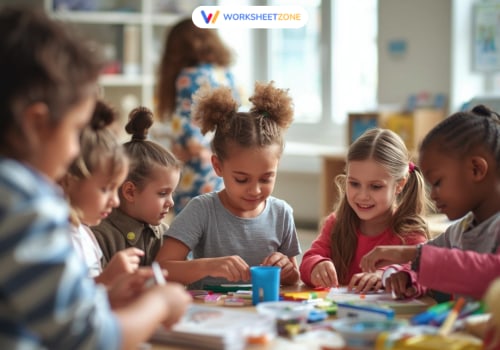
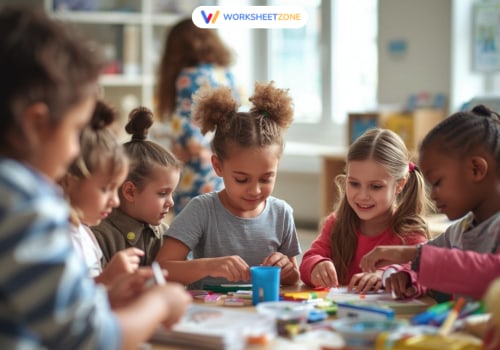
In the ever-evolving landscape of childhood education, the concept of fun learning for kidsfun learning for kids has emerged as a vital component in fostering holistic development. This approach transcends traditional learning methods by integrating enjoyment into the educational process, making it not only effective but also engaging. When children are exposed to educational contenteducational content that captivates their imagination, they are more likely to develop a genuine interest in learning. This intrinsic motivation is crucial, as it lays the groundwork for lifelong curiosity and a passion for knowledge.Educational TV shows and movies play a significant role in this dynamic.
They serve as powerful tools that can transform mundane lessons into exciting adventures. By presenting complex subjects through relatable characters and engaging narratives, these programmes help children grasp challenging concepts with ease. For instance, a show that explores the wonders of space can ignite a child's fascination with astronomy, while another that delves into the animal kingdom can foster an appreciation for biodiversity and conservation.The benefits of incorporating fun learning experiences into children's lives extend beyond mere entertainment. Research indicates that children who engage with educational media tend to exhibit improved cognitive skills, enhanced language development, and greater social awareness. They serve as powerful tools that can transform mundane lessons into exciting adventures. By presenting complex subjects through relatable characters and engaging narratives, these programmes help children grasp challenging concepts with ease. For instance, a show that explores the wonders of space can ignite a child's fascination with astronomy, while another that delves into the animal kingdom can foster an appreciation for biodiversity and conservation.The benefits of incorporating fun learning experiences into children's lives extend beyond mere entertainment. Research indicates that children who engage with educational media tend to exhibit improved cognitive skills, enhanced language development, and greater social awareness.
Furthermore, these shows often encourage critical thinking and problem-solving abilities by prompting viewers to ask questions and explore solutions actively. As such, parents and educators alike are increasingly recognising the importance of selecting high-quality educational content that aligns with children's interests and developmental needs.Ultimately, embracing fun learning for kids not only enriches their educational journey but also equips them with essential skills for navigating an increasingly complex world. By prioritising engaging and informative programming, we can cultivate a generation of learners who are not only knowledgeable but also enthusiastic about exploring the vast array of subjects life has to offer.
Top Educational TV Shows for Kids
When it comes to fun learning for kids, educational TV shows are a fantastic way to engage young minds while providing valuable lessons. Here’s a curated list of some of the best educational TV shows that not only entertain but also enrich children's understanding of the world around them.- Sesame Street : A timeless classic, this show has been a cornerstone of children's programming for over 50 years.
It combines puppetry, animation, and live-action segments to teach foundational skills such as numbers, letters, and social interactions. The diverse cast of characters and catchy songs make learning enjoyable and relatable for children.
- Bluey : This Australian animated series follows the adventures of a playful Blue Heeler puppy named Bluey and her family. Each episode is packed with imaginative play that teaches essential life skills like creativity, problem-solving, and emotional intelligence. The relatable family dynamics resonate with both children and parents alike.
- Peppa Pig : This charming animated series features Peppa, her family, and friends as they navigate everyday experiences.
The show introduces young viewers to concepts such as friendship, sharing, and family values while enhancing their vocabulary through simple yet engaging storytelling.
- Octonauts : An adventurous animated series that follows a team of animals exploring the ocean's depths. Each episode educates children about marine biology and environmental conservation in an entertaining manner. The show's blend of adventure and education encourages curiosity about the natural world.
- Wild Kratts : This unique series combines live-action with animation as the Kratt brothers embark on exciting wildlife adventures. Each episode highlights different animal species and their habitats, fostering a sense of wonder about nature while teaching important biological concepts.
By integrating fun narratives with educational content, they create an enriching viewing experience that not only captivates children but also instills a lifelong love for knowledge.
Popular Educational Movies for Kids
When it comes to fun learning films, educational movies for kids offer a unique blend of entertainment and valuable lessons. These films not only captivate young audiences but also provide insights into various subjects, encouraging curiosity and critical thinking. Here are some popular educational movies that stand out for their engaging content and educational value:- Finding Nemo : This animated classic takes viewers on an underwater adventure, teaching children about marine life, the importance of family, and overcoming fears. The vibrant visuals and relatable characters make it a favourite among kids, while subtly introducing them to oceanic ecosystems and the significance of environmental conservation.
- The Magic School Bus Rides Again : Based on the beloved book series, this film follows Ms.
Frizzle and her class on exciting educational journeys. Each episode focuses on scientific concepts, making complex topics accessible and engaging for children. The interactive nature of the show encourages kids to think critically about science and exploration.
- Wall-E : This heartwarming tale not only entertains but also raises awareness about environmental issues and the importance of taking care of our planet. Through the story of a small waste-collecting robot, children learn about sustainability, consumerism, and the impact of human actions on Earth.
- Inside Out : This innovative film provides insight into emotions and mental health, helping children understand their feelings better.
By personifying emotions like Joy, Sadness, Anger, Fear, and Disgust, it promotes emotional intelligence and encourages kids to express their feelings in a healthy way.
- Cloudy with a Chance of Meatballs : A whimsical take on weather phenomena, this movie introduces kids to basic meteorological concepts while delivering laughs and excitement. The imaginative storyline encourages children to think about science in a fun context, making learning enjoyable.
How to Choose the Right Educational Content for Your Child
Choosing the right educational content for your child is a vital step in fostering their development and love for learning.With an abundance of options available, it’s essential to approach this task thoughtfully. Here are several key factors to consider when selecting educational shows and movies that align with your child's needs.
Consider Age Appropriateness
One of the first steps in selecting educational content is to assess its age appropriateness. Different programmes cater to various developmental stages, and choosing material that matches your child's age is crucial for effective learning. For example:- Preschoolers may benefit from shows that introduce basic concepts such as numbers, letters, and social skills.
- School-aged children might engage more with content that explores science, history, or complex problem-solving.
- Older children can handle more nuanced themes, including critical thinking and emotional intelligence.
Identify Your Child's Interests
Understanding your child's interests can significantly enhance their learning experience.If they have a passion for animals, look for documentaries or animated series that delve into wildlife and nature. Alternatively, if they enjoy storytelling, consider shows that weave educational themes into engaging narratives. Tailoring content to their passions not only keeps them motivated but also makes learning more enjoyable.
Set Clear Learning Objectives
Establishing clear learning objectives can guide your selection process. Consider what skills or knowledge you want your child to gain from the content.Whether it’s improving literacy, understanding mathematical concepts, or fostering critical thinking skills, having specific goals will help you choose programmes that explicitly state their educational aims in their descriptions.
Check Reviews and Recommendations
Before committing to a show or movie, it’s wise to check reviews from other parents and educators. Websites dedicated to children’s media often provide insights into the educational value of various programmes. Additionally, platforms like Common Sense Media offer detailed ratings based on age appropriateness and educational content, helping you make informed decisions.Encourage Interaction
Finally, consider how interactive the content is. Shows that encourage participation—such as asking questions or prompting viewers to solve problems—can significantly enhance learning.Look for programmes that invite children to think critically and engage actively with the material, transforming passive viewing into an immersive experience.By taking these factors into account, you can make informed decisions about the educational content you choose for your child. This ensures that their screen time is not only enjoyable but also enriching, laying a strong foundation for their future learning journey.
Integrating Educational Shows into Daily Learning Routines
Integrating educational shows into your child's daily learning routine can significantly enhance their overall educational experience. By thoughtfully incorporating these programmes, you can create a balanced approach to learning that not only entertains but also enriches your child's understanding of the world around them.1.Establish a Viewing Schedule
Creating a consistent schedule for watching educational content can help children anticipate and look forward to these learning moments. Consider setting aside specific times during the week, such as:
- After school, as a way to unwind while still engaging their minds.
- On weekends, when there is more flexibility in the family schedule.
- Before bedtime, as a calming activity that can also spark discussions about the day’s learning.
2.Select Quality Educational Content
Not all shows are created equal.
When choosing educational programmes, look for those that align with your child's interests and developmental stage. For example:
- If your child is curious about animals, consider wildlife documentaries or animated series that explore nature.
- For budding scientists, shows that delve into scientific concepts can be both engaging and informative.
- Language-focused programmes can enhance vocabulary and communication skills for younger viewers.
3.Foster Engagement Through Discussion
After watching an episode, take time to discuss what your child learned. This not only reinforces the material but also encourages critical thinking. Ask open-ended questions such as:
- What was your favourite part of the show?
- What new things did you learn today?
- How do you think this relates to what we see in real life?
4.Extend Learning with Related Activities
To deepen the learning experience, consider planning activities that relate to the content of the show.
For instance:
- If they watched a programme about space, visit a planetarium or create a model of the solar system together.
- If the show focused on cooking or nutrition, involve them in preparing a healthy meal.
- For environmental themes, organise a family outing to a local park or nature reserve to explore ecosystems firsthand.
5.Balance Screen Time with Other Activities
While educational shows are beneficial, it’s crucial to maintain a healthy balance between screen time and other forms of learning. Encourage activities such as:
- Outdoor play to promote physical health and social skills.
- Reading together to enhance literacy and comprehension.
- Hands-on projects that stimulate creativity and problem-solving abilities.
FAQs About Educational TV Shows and Movies for Kids
As parents navigate the vast landscape of children's programming, it's natural to have questions about the impact of educational TV shows and movies on their child's development. Below are some frequently asked questions that can help clarify any concerns you may have.Are educational shows effective for learning?
Numerous studies indicate that educational content can significantly enhance a child's learning experience.Programs designed for young audiences often incorporate engaging storytelling, vibrant visuals, and interactive elements that reinforce essential concepts such as numbers, letters, and social skills. For example, shows like Sesame Street and Bluey not only entertain but also impart valuable lessons about friendship, problem-solving, and emotional intelligence. These programmes are crafted to stimulate curiosity and encourage active participation, making learning a more dynamic process.
How much screen time is appropriate for kids?
The American Academy of Pediatrics recommends that children aged 2 to 5 should have no more than one hour of high-quality programming each day. It's crucial to balance screen time with other activities such as reading, outdoor play, and family interactions.Parents should also consider co-viewing educational shows with their children to facilitate discussions about the content. This shared experience can enhance understanding and retention of the material.
What should I look for in educational content?
- Age-appropriate themes: Ensure the content is suitable for your child's age group. Educational shows often cater to specific developmental stages.
- Interactive elements: Look for programmes that encourage participation, such as asking questions or prompting viewers to solve problems.
- Diverse representation: Choose shows that reflect a variety of cultures and experiences to promote inclusivity and broaden your child's worldview.
- Positive messaging: Select content that teaches kindness, empathy, and resilience, helping children develop strong moral values.
Conclusion: The Value of Fun Learning Experiences for Kids
In summary, the significance of fun learning experiences for kids is profound and multifaceted.Throughout this article, we have explored how educational TV shows and movies serve as vital tools in nurturing young minds. These programmes not only entertain but also provide a rich tapestry of knowledge that can shape children's understanding of the world around them.The benefits of engaging with quality educational content are numerous. Firstly, such programming fosters a love for learning by presenting information in an enjoyable and relatable manner. Children are more likely to absorb and retain knowledge when it is delivered through captivating stories and characters they can connect with.
This emotional engagement is crucial in developing a lifelong passion for education.Moreover, educational content plays a pivotal role in enhancing critical thinking skills. Many shows encourage children to ask questions, solve problems, and think creatively. This interactive approach transforms passive viewing into an active learning experience, allowing children to apply what they learn in real-life situations.Additionally, exposure to diverse cultures and perspectives through educational programming promotes empathy and social awareness. As children encounter different lifestyles, traditions, and values, they develop a broader understanding of the world, which is essential in our increasingly interconnected society.In conclusion, the importance of educational content cannot be overstated.
By choosing high-quality shows and movies that align with their children's interests and developmental stages, parents can significantly enhance their learning experiences. The blend of fun and education not only makes learning enjoyable but also lays a strong foundation for future academic success.As we navigate the complexities of modern education, embracing these fun learning opportunities will be essential in nurturing well-rounded individuals who are prepared to face the challenges of tomorrow.