In an era where information is readily available at our fingertips, the significance of fun learning for kidsfun learning for kids has never been more crucial. Traditional educational methods often rely on rote memorisation and passive learning, which can lead to disengagement and a lack of enthusiasm among young learners. As children grow up in a world that demands creativity, critical thinking, and adaptability, it is essential to foster an environment where learning is not only informative but also enjoyable. This shift towards engaging educational practices is vital for nurturing a generation that is not only knowledgeable but also passionate about their education.The benefits of engaging kidsengaging kids through fun learning experiences extend far beyond mere enjoyment.
When children are actively involved in their education, they are more likely to retain information and develop a genuine interest in various subjects. Creative learning methods, such as interactive games, hands-on activities, and collaborative projects, stimulate curiosity and encourage children to explore concepts in depth. These approaches not only make lessons memorable but also help children connect theoretical knowledge with real-world applications, enhancing their overall understanding.Moreover, incorporating fun into the learning process promotes essential social skills and teamwork. Activities that require collaboration allow children to learn from one another, fostering a sense of community and belonging.
As they work together to solve problems or complete projects, they develop interpersonal skills that will serve them well throughout their lives. Ultimately, embracing innovative teaching strategies is key to cultivating well-rounded individuals who are not only equipped with knowledge but also possess a lifelong love for learning.
Interactive Learning Activities
Interactive learning activities are essential for transforming the educational experience into something vibrant and engaging. By incorporating a variety of methods such as educational games, group projects, and hands-on experiments, children can immerse themselves in the learning process while developing critical social skills.Educational Games
Educational games serve as a fantastic tool for making learning enjoyable. These games can range from board games to digital applications, all designed to reinforce academic concepts in a fun way.For example:
- Math Games: Games like Math Bingo or Math Jeopardy encourage children to solve problems while competing with their peers, making mathematics less intimidating and more enjoyable.
- Language Games: Word puzzles and vocabulary-building games can enhance language skills. Apps like Wordscapes or Boggle challenge children to think critically about word formation and usage.
- Science Trivia: Incorporating trivia games that focus on scientific facts can spark curiosity and encourage children to explore various scientific fields.
Group Projects
Group projects are another effective way to engage children in collaborative learning. These activities not only promote teamwork but also allow children to learn from one another. Some ideas for group projects include:- Research Presentations: Children can work together to research a topic of interest and present their findings to the class.
This encourages public speaking skills and boosts confidence.
- Creative Arts Projects: Collaborating on an art project, such as a mural or a sculpture, allows children to express their creativity while learning about teamwork and planning.
- Science Experiments: Conducting experiments in groups fosters communication and problem-solving skills. For instance, building a simple circuit or creating a model volcano can be both educational and entertaining.
Hands-On Experiments
Hands-on experiments are crucial for engaging young minds in the learning process. These activities allow children to apply theoretical knowledge in practical situations, enhancing their understanding of complex concepts. Here are some engaging hands-on experiments:- Chemistry Fun: Simple experiments like creating slime or conducting a baking soda and vinegar reaction can teach children about chemical reactions in an exciting way.
- Physics Projects: Building simple machines or conducting gravity experiments with different objects can help children grasp fundamental physics principles through direct experience.
- Baking and Cooking: Involving children in cooking activities teaches them about measurements, fractions, and chemical changes while they enjoy the delicious results of their efforts.
By fostering an environment where children feel excited about learning, we can cultivate a lifelong love for knowledge that extends beyond the classroom.
Incorporating Technology in Learning
In the modern educational landscape, the integration of technology in learning has become increasingly vital. With children growing up in a digital age, leveraging technology can significantly enhance their engagement and understanding of complex subjects. By incorporating various digital tools, educators and parents can create a more interactive and stimulating learning environment.Educational Apps
One of the most effective ways to utilise technology in education is through educational apps. These applications are designed to make learning both fun and interactive.
For instance, apps like Khan Academy Kids provide a plethora of activities that cover essential subjects such as mathematics, reading, and science, all tailored specifically for young learners. Similarly, language-learning apps like Duolingo gamify the process of acquiring new languages, making it accessible and enjoyable for children.
Online Learning Platforms
In addition to apps, online platforms have emerged as valuable resources for enhancing children's education. Websites such as ABCmouse and Prodigy Math offer comprehensive curricula that adapt to each child's individual learning pace. These platforms not only keep children entertained but also provide parents with tools to monitor their progress effectively.
The interactive lessons and games available on these sites help reinforce concepts learned in the classroom while allowing children to explore subjects at their own pace.
Digital Learning Tools
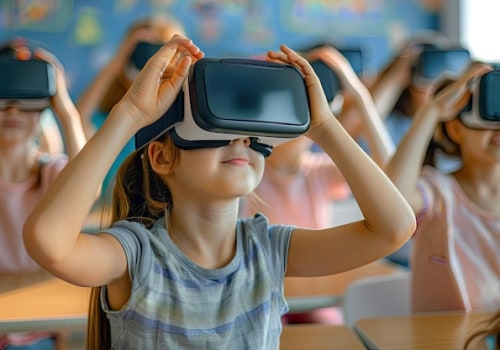
The advent of digital learning tools such as virtual reality (VR) and augmented reality (AR) is revolutionising how children learn. For example, applications like Google Expeditions allow students to embark on virtual field trips to historical sites or explore underwater ecosystems without leaving their classrooms. This immersive experience not only captivates children's imaginations but also fosters a deeper understanding of the world around them.
Encouraging Collaboration
Moreover, technology encourages collaboration among peers. Tools like Google Classroom enable students to work together on projects, share resources, and communicate effectively.
This collaborative approach not only enhances learning outcomes but also helps children develop essential digital skills that are crucial in today’s interconnected world.In conclusion, by embracing technology in education, we can create an environment where children are excited to explore new concepts. With the right educational apps, online resources, and interactive platforms, traditional learning can be transformed into a dynamic and engaging experience that prepares children for future challenges.
Creative Arts and Crafts Projects
Engaging children in creative arts and crafts projects serves as a powerful method to reinforce academic concepts while allowing them to express their individuality. These hands-on activities not only stimulate creativity but also provide practical applications of what they learn in the classroom. Here are some innovative ideas for DIY educational activities that blend fun with learning:- Nature Collages: Encourage children to explore their surroundings by collecting leaves, flowers, and other natural materials during a nature walk.
They can create beautiful collages while learning about different plant species, their characteristics, and the ecosystems they inhabit.
- Story Stones: Paint stones with various images or words that represent different elements of a story. Kids can use these stones to create their own narratives, enhancing their storytelling skills and imagination while also developing an understanding of plot structure and character development.
- Math Art: Integrate mathematics into art by having children create geometric patterns or shapes using rulers and compasses. This activity not only teaches them about geometry but also allows them to explore symmetry, angles, and design principles in a fun and engaging way.
- Recycled Art Projects: Use materials like cardboard boxes, plastic bottles, and old magazines to create sculptures or functional items. This teaches kids about recycling and sustainability while sparking their creativity and problem-solving skills as they think of new ways to repurpose everyday items.
- DIY Science Experiments: Combine art with science by conducting simple experiments that result in artistic creations, such as making homemade lava lamps or creating tie-dye shirts.
This approach makes scientific concepts more tangible and enjoyable, allowing children to see the practical applications of what they learn.
Outdoor Learning Experiences
Engaging children in outdoor learning experiences is a powerful way to cultivate their appreciation for nature while enhancing their understanding of the world around them. By stepping outside the confines of traditional classrooms, children can immerse themselves in experiential learning that is both enjoyable and educational.Here are some innovative outdoor learning activities that can be easily implemented:- Nature Scavenger Hunt: Create a list of items for children to find in a local park or garden.
This activity not only encourages observation skills but also teaches them about different plants, animals, and ecosystems. Children can learn to identify various species while enjoying the thrill of discovery.
- Gardening Projects: Involve kids in planting flowers or vegetables. This hands-on experience teaches them about biology, responsibility, and the importance of sustainability. As they nurture their plants, they gain insights into the life cycle and the role of ecosystems.
- Outdoor Science Experiments: Conduct simple experiments using natural materials.
For example, children can learn about soil composition by examining different types of soil found in their backyard. Such activities make scientific concepts tangible and relatable.
- Team-building Games: Organise activities like relay races or obstacle courses that require teamwork. These games not only promote physical fitness but also teach valuable social skills such as communication and collaboration.
- Wildlife Observation: Equip children with binoculars and guidebooks to observe birds or insects. This activity enhances their appreciation for biodiversity and encourages curiosity about wildlife.
Children can document their findings in a nature journal, fostering a sense of connection with their environment.
Ultimately, outdoor learning experiences not only enrich children's education but also foster a sense of stewardship towards the environment, preparing them to be responsible caretakers of our planet.
Storytelling and Role-Playing Techniques
Storytelling and role-playing are not merely entertaining activities; they are powerful educational tools that can significantly enhance children's learning experiences. By weaving narratives and engaging in imaginative play, children can develop critical skills that will benefit them throughout their lives.Storytelling in Education
Storytelling serves as a bridge between knowledge and imagination. When children listen to stories, they become active participants in the narrative, which aids in comprehension and retention of information. Here are some key benefits of storytelling in education:- Enhances Comprehension: Engaging with stories allows children to grasp complex concepts more easily.
They can relate to characters and situations, making abstract ideas more tangible.
- Encourages Empathy: Through storytelling, children explore diverse perspectives and emotions. This exposure fosters empathy, helping them understand and appreciate the experiences of others.
- Boosts Vocabulary: Rich language used in stories expands children's vocabulary. As they encounter new words in context, they are more likely to remember and use them in their own speech.
Role-Playing for Kids
Role-playing takes storytelling a step further by allowing children to embody characters and scenarios. This interactive form of learning promotes various essential skills:- Promotes Critical Thinking: In role-playing situations, children must think on their feet, make decisions, and solve problems.
This real-time engagement enhances their analytical skills.
- Fosters Collaboration: Many role-playing activities require teamwork. Children learn to communicate effectively, share ideas, and work together towards a common goal.
- Stimulates Creativity: By stepping into different roles, children unleash their creativity. They can explore new ideas and scenarios in a safe environment, which encourages innovative thinking.
Imaginative Play in Learning
Imaginative play is a vital aspect of child development that complements both storytelling and role-playing. It allows children to experiment with different roles and situations, leading to a deeper understanding of the world around them.Integrating these techniques into educational activities creates an engaging atmosphere where learning becomes enjoyable.In conclusion, leveraging storytelling and role-playing techniques can significantly enrich the educational experience for children. These methods not only make learning enjoyable but also equip children with essential skills such as empathy, critical thinking, and creativity that will serve them well throughout their lives.
Gamification of Learning Processes
The concept of gamification in education has gained significant traction in recent years, as educators seek innovative ways to engage students and enhance their learning experiences. By integrating game-like elements into the educational process, teachers can create a more dynamic and interactive environment that motivates children to participate actively in their learning journey.At its core, gamification leverages the principles of game design—such as competition, rewards, and challenges—to make learning more enjoyable. This approach not only captures children's attention but also encourages them to take ownership of their education.Here are some effective game-based learning strategies that can be implemented in various educational settings:
- Classroom Leaderboards: Establishing a leaderboard can foster a sense of competition among students. By awarding points for completing assignments, participating in discussions, or achieving specific learning goals, children are motivated to engage more deeply with the material.
- Interactive Quizzes: Platforms like Kahoot! and Quizizz allow teachers to create fun quizzes that students can answer in real-time using their devices. These interactive quizzes not only reinforce knowledge retention but also make assessment enjoyable.
- Role-Playing Games: Incorporating role-playing elements into lessons can help students immerse themselves in historical events or scientific concepts. For instance, assigning roles based on historical figures during a history lesson can make the subject matter more relatable and memorable.
- Educational Apps: Numerous apps are designed specifically for fun educational games.
These applications often include puzzles, challenges, and interactive stories that cater to various subjects, allowing children to learn at their own pace while having fun.
Frequently Asked Questions about Fun Learning for Kids
When it comes to fun learning for kids, parents and educators often have numerous questions.Understanding these queries can help in implementing effective strategies that make education enjoyable and engaging. Below are some of the most frequently asked questions regarding creative teaching methods.
What are some effective ways to make learning fun?
To transform learning into a fun experience, consider incorporating a variety of interactive elements. Here are some effective strategies:- Games: Use educational games that align with the curriculum. Board games, card games, and online quizzes can make subjects like maths and science more engaging.
- Hands-on Activities: Activities such as science experiments or arts and crafts allow children to learn through doing, which can enhance their understanding and retention of concepts.
- Storytelling: Integrating storytelling into lessons can captivate children's imaginations while teaching them important lessons and concepts.
- Technology: Leverage educational apps and online resources that gamify learning, making it more appealing to tech-savvy children.
How can I keep my child engaged during lessons?
Maintaining a child's interest in lessons can be challenging, but there are several strategies you can employ:- Connect to Interests: Tailor lessons to include topics that resonate with your child’s personal interests, whether it’s animals, sports, or technology.
- Diverse Teaching Methods: Use a mix of visual aids, hands-on activities, and discussions to cater to different learning styles.
- Interactive Learning: Encourage participation through group discussions or collaborative projects that require teamwork.
Are there specific resources for fun learning?
Yes! There is a wealth of resources available that promote fun learning for kids.Some notable options include:
- Educational Websites: Platforms like Khan Academy Kids and ABCmouse offer interactive content tailored for young learners.
- DIY Craft Kits: These kits often combine creativity with educational themes, allowing children to learn while they create.
- Books and Videos: Engaging storybooks and educational videos can provide additional context and excitement around various subjects.
Conclusion: Embracing Creativity in Education
In summary, the journey through the realm of fun learning for kids has illuminated the profound impact that creativity can have on education. As we have explored various innovative strategies, it is clear that fostering a creative environment not only enhances engagement but also deepens understanding and retention of knowledge. The integration of imaginative approaches into educational practices transforms traditional learning into an exciting adventure, making it more relatable and enjoyable for children.Throughout this article, we have highlighted several key methods that can be employed to cultivate a love for learning:- Hands-on Activities: Engaging children in practical tasks such as arts and crafts or science experiments allows them to explore concepts actively. These experiences not only reinforce academic knowledge but also encourage critical thinking and problem-solving skills.
- Technology Integration: The use of educational apps and interactive platforms can make learning more appealing to today’s tech-savvy youth.
By incorporating digital tools, educators can create dynamic lessons that captivate children's attention and motivate them to learn.
- Storytelling and Role-Playing: These techniques serve as powerful tools for enhancing comprehension and empathy. By immersing children in narratives or allowing them to step into different roles, we can stimulate their imagination and foster a deeper connection with the material.
- Collaborative Learning: Encouraging teamwork through group projects or interactive games promotes social skills and communication. Children learn to work together towards common goals, which is essential for their personal development.
- Encourage Exploration: Allow children the freedom to investigate topics that interest them.
This autonomy fosters a sense of ownership over their learning journey.
- Diverse Resources: Utilise a variety of materials—books, videos, real-world experiences—to enrich the educational landscape.
- Celebrate Creativity: Recognise and reward innovative thinking. This not only motivates children but also reinforces the value of creativity in learning.