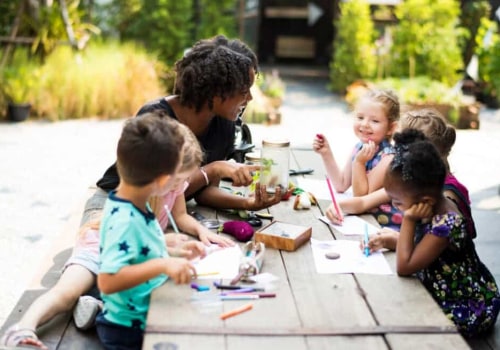
In an age where technology often dominates children's lives, the significance of outdoor learning has never been more crucial. Engaging children in outdoor activities not only provides a refreshing break from screens but also fosters a rich environment for exploration and discovery. The natural world serves as an expansive classroom, offering countless opportunities for fun learning for kidsfun learning for kids. By stepping outside, children can immerse themselves in hands-on experiences that stimulate their curiosity and creativity.The benefits of outdoor activities extend far beyond mere enjoyment.
Research indicates that children who regularly engage in outdoor learning exhibit enhanced cognitive skills, improved problem-solving abilities, and greater social interaction. These experiences allow children to connect with their surroundings, leading to a deeper understanding of ecological systems and the importance of environmental stewardship. Moreover, outdoor learning promotes physical health by encouraging active play, which is essential for developing strong bodies and minds.Furthermore, outdoor activities provide a unique platform for children to develop essential life skills. Whether they are collaborating on a team project or navigating the challenges of a nature scavenger hunt, kids learn valuable lessons in teamwork, leadership, and resilience.
These experiences not only contribute to their academic success but also prepare them for the complexities of life beyond the classroom. As we delve deeper into the various engaging outdoor activities available, it becomes clear that fostering a love for nature and learning is vital for holistic child development.
Nature Walks: A Gateway to Discovery
Nature walks serve as a remarkable gateway to discovery for children, offering them a unique opportunity to engage with the world around them. These excursions not only provide physical activity but also serve as a platform for fun learning through nature, where children can explore various aspects of ecology and biology in an interactive manner.During educational nature walks, children can delve into the fascinating realm of local flora and fauna. By identifying different plants and animals, they gain a deeper understanding of biodiversity.For instance, they can learn to recognise various species, their habitats, and their roles within the ecosystem. This hands-on experience fosters a sense of curiosity and encourages children to ask questions about their environment.Moreover, nature walks promote environmental awareness. Discussing the importance of conservation and the impact of human activities on nature helps instil a sense of responsibility towards the environment in young minds. Children can learn about the delicate balance of ecosystems and how every organism plays a vital role in maintaining that balance.Another captivating aspect of nature walks is the opportunity to observe seasonal changes.
Children can witness firsthand how nature transforms with each season, learning about life cycles, migration patterns, and the interdependence of species. For example, they might observe how trees shed their leaves in autumn or how certain birds migrate during winter.To enhance the educational experience during these walks, interactive activities can be incorporated:
- Scavenger Hunts: Create a list of items for children to find, such as specific leaves, rocks, or insects. This encourages observation and critical thinking as they search for each item.
- Nature Journals: Encourage kids to document their findings through sketches or notes. This practice not only enhances their observational skills but also promotes creativity as they express what they see.
- Storytelling: Share stories about local wildlife or historical events related to the area.
This adds context to their exploration and makes learning more engaging.
Gardening: Cultivating Knowledge and Responsibility
Gardening is not just a delightful pastime; it serves as a powerful educational tool that can significantly enhance children's learning experiences. By engaging in gardening activities for kids, children can cultivate a sense of responsibility while gaining valuable knowledge about the environment, biology, and nutrition.Benefits of Gardening for Children
- Responsibility: Caring for plants instills a sense of duty in children. They learn that plants require consistent attention, including watering, weeding, and monitoring for pests.
This responsibility fosters a sense of achievement as they witness their efforts lead to growth.
- Biology: Gardening provides an excellent opportunity to explore biological concepts. Children can observe the life cycle of plants firsthand, from seed germination to flowering and fruiting. They learn about photosynthesis, pollination, and the importance of soil health, making complex scientific ideas more accessible and engaging.
- Nutrition: Growing their own fruits and vegetables encourages children to make healthier food choices. When kids see the process from seed to plate, they develop an appreciation for fresh produce and are more likely to try new foods they have grown themselves.
Getting Started with Gardening Activities for Kids
If you're eager to introduce your children to the joys of gardening, here are some practical tips to get started:
- Choose the Right Location: Select a sunny spot in your garden or use pots if space is limited.
Ensure the area has good drainage to prevent waterlogging.
- Select Easy-to-Grow Plants: Start with fast-growing seeds like radishes, sunflowers, or herbs such as basil and mint. These plants provide quick results, keeping kids engaged and motivated.
- Involve Them in Planning: Let children help decide what to plant. This involvement fosters a sense of ownership and excitement about the garden.
- Create a Garden Journal: Encourage kids to document their gardening journey. They can note down observations, draw pictures, and track the growth of their plants.
This practice enhances their observational skills and promotes creativity.
Outdoor Science Experiments: Hands-On Learning Experiences
Engaging children in outdoor science experiments is a fantastic way to ignite their curiosity and foster a love for learning. These hands-on activities not only make science fun but also encourage kids to explore the world around them. Here are some exciting outdoor science experiments that can be easily conducted with minimal materials, ensuring an enriching experience for young learners.1.DIY Volcano
This classic experiment is a thrilling way to teach children about chemical reactions.The eruption of a volcano can captivate their attention while providing a practical lesson in science.
- Materials Needed:
- Baking soda
- Vinegar
- Food colouring (optional)
- A container (like a plastic bottle)
- A tray to catch the overflow
- Instructions:
- Place the container on the tray to catch any spills.
- Fill the container with baking soda, leaving some space at the top.
- Add a few drops of food colouring for added visual effect.
- Slowly pour vinegar into the container and watch as the mixture erupts like a volcano!
2.Nature Scavenger Hunt
A nature scavenger hunt is an excellent way to combine physical activity with learning. This activity encourages observation skills and helps children learn about different species and their environments.- Materials Needed:
- A list of items for children to find (e.g., specific types of leaves, feathers, smooth stones, flowers of certain colours)
- Instructions:
- Create a checklist of items for kids to find during their outdoor exploration.
- Encourage them to observe their surroundings carefully and check off items as they discover them.
- Discuss what they found and share interesting facts about each item.
3.Solar Oven S'mores
This delightful experiment teaches kids about solar energy while allowing them to enjoy a tasty treat. Making s'mores using a solar oven is both educational and delicious!- Materials Needed:
- A pizza box
- Aluminium foil
- Plastic wrap
- S'mores ingredients (graham crackers, chocolate, marshmallows)
- Instructions:
- Line the inside of the pizza box with aluminium foil to reflect sunlight.
- Create a flap by cutting a square in the lid and covering it with plastic wrap to trap heat.
- Place your s'mores ingredients inside the box and position it in direct sunlight.
- Wait for about 30 minutes, then enjoy your delicious solar-cooked s'mores!
Sports and Team Games: Building Skills Through Play
Engaging in sports activities for kids and team games is not just about physical fitness; it plays a crucial role in the holistic development of children.These activities provide a dynamic platform for children to learn essential life skills while having fun. One of the most significant benefits of participating in sports is the development of teamwork .When children engage in team sports, they learn to work collaboratively towards a common goal. This experience teaches them the importance of communication, trust, and mutual support. For instance, in football, players must pass the ball effectively and strategise together to outsmart their opponents.
Such interactions foster a sense of belonging and camaraderie among teammates, which is vital for their social development.
Leadership skills
are also cultivated through sports. Children often take on various roles within a team, whether as a captain or a supportive player. This exposure helps them understand how to motivate others, make decisions under pressure, and lead by example. For example, a captain must encourage teammates during challenging moments, teaching them resilience and accountability.Moreover, sports instil a sense of perseverance.
Children face numerous challenges, such as losing games or struggling to master new skills. These experiences teach them that setbacks are part of the journey and that persistence is key to success. Learning to cope with failure in a supportive environment can significantly boost their confidence and self-esteem.Participating in sports also enhances social interactionssocial interactions. Children meet peers from diverse backgrounds, which broadens their perspectives and helps them develop empathy.
They learn to navigate conflicts, negotiate rules, and share resources—all essential skills for building healthy relationships.In summary, engaging in sports and team games offers children invaluable lessons that extend beyond physical activity. By fostering teamwork, leadership, perseverance, and social skills, these activities contribute significantly to their overall development and well-being.
Art in Nature: Fostering Creativity Beyond the Classroom
Engaging in outdoor art activities provides children with a unique opportunity to express their creativity while connecting with the natural world. Nature serves as an endless source of inspiration, offering a variety of materials and settings that can enhance artistic expression. By incorporating elements from the environment into their art projects, children not only develop their creative skills but also cultivate a deeper appreciation for the beauty and complexity of nature.Here are some exciting ideas for nature-inspired art projects that can spark creativity in children:- Leaf Prints: Collect different types of leaves and use them to create prints.
Children can paint one side of a leaf and press it onto paper, revealing intricate patterns and textures. This activity teaches them about the diversity of plant life while allowing for artistic exploration.
- Natural Sculptures: Encourage kids to gather twigs, stones, and other natural materials to create sculptures. This hands-on project promotes three-dimensional thinking and problem-solving as they figure out how to balance and assemble their creations.
- Flower Mandalas: Using petals, leaves, and other natural items, children can design beautiful mandalas on the ground. This activity not only fosters creativity but also encourages mindfulness as they focus on symmetry and patterns.
- Rock Art: Painting smooth stones with vibrant colours or designs can be a fun way for children to express themselves.
These decorated rocks can be used as garden ornaments or gifts, promoting a sense of accomplishment.
- Nature Collages: Gather various natural items such as feathers, seeds, and flowers to create collages on cardboard or canvas. This project allows children to explore texture and composition while learning about the materials they use.
By encouraging self-expression through nature-inspired projects, children not only develop their artistic abilities but also cultivate a deeper appreciation for the world around them. This holistic approach to creativity fosters a lifelong love for both art and nature, enriching their overall development.
Outdoor Learning Resources: Tools to Enhance Experience
To truly enrich outdoor learning experiences for children, a variety of resources are available that can transform activities into engaging and educational adventures. Below is a curated list of tools designed to enhance fun learning for kids in outdoor settings.Books
Books can serve as excellent guides for parents and educators looking to inspire outdoor exploration. Some recommended titles include:- The Outdoor Classroom: A Handbook for School Gardens - This book provides practical advice on creating outdoor learning spaces that encourage hands-on experiences.
- Last Child in the Woods - A compelling read that discusses the importance of connecting children with nature and the benefits of outdoor play.
- Nature's Playground: Activities, Crafts, and Games to Encourage Children to Get Outdoors - This resource offers a plethora of creative ideas for outdoor activities that promote learning through play.
Websites
The internet is a treasure trove of resources for outdoor learning.Notable websites include:
- National Geographic Education - This site provides lesson plans, activity ideas, and articles that encourage children to engage with their environment.
- Kids Discover - A platform filled with articles and activities that can be explored outdoors, making learning interactive and fun.
- Outdoor Classroom Project - Offers resources and training for educators to implement outdoor learning effectively.
Apps
Technology can complement outdoor learning in innovative ways. Consider these apps:- Seek by iNaturalist - This app allows children to identify plants and animals in their surroundings, turning nature walks into interactive learning experiences.
- Geocaching - A fun way to combine treasure hunting with navigation skills, encouraging kids to explore while learning about geography.
- PlantSnap - An app that helps children identify various plant species, fostering an appreciation for biodiversity.
Outdoor Kits
Investing in outdoor learning kits can significantly enhance the exploration experience. These kits often include:- Magnifying glasses , binoculars , and field guides - Essential tools for observing wildlife and plants closely.
- Nature Explorer Kits - These kits typically come with various tools for science experiments, nature observation, or art projects.
- Gardening Kits - Complete with seeds, soil, and tools, these kits encourage children to learn about plant growth and responsibility.
Community Programs
Many local parks and educational institutions offer community programs focused on outdoor learning. These programs often include:- Guided nature walks , where children can learn about local flora and fauna from knowledgeable guides.
- Workshops , which may cover topics such as gardening, wildlife conservation, or environmental science.
- Hands-on activities , designed to promote environmental awareness and scientific inquiry through direct engagement with nature.
FAQs About Outdoor Learning Activities for Kids
Outdoor learning activities are an excellent way to engage children in fun learning experiences that promote their overall development.Below are some frequently asked questions that can help parents understand the benefits and logistics of these activities.
What are the benefits of outdoor learning for kids?
Outdoor learning offers numerous advantages, including:- Physical Health: Engaging in outdoor activities promotes physical fitness, which is essential for children's growth and development.
- Cognitive Development: Learning in natural settings enhances creativity and critical thinking skills, as children explore and interact with their environment.
- Social Skills: Outdoor play encourages teamwork, communication, and conflict resolution, helping children build strong interpersonal relationships.
- Emotional Well-being: Spending time outdoors can reduce stress and anxiety, contributing to improved mental health.
How can I ensure outdoor activities are safe?
Safety is a top priority when planning outdoor activities. Here are some practical tips:- Supervision: Always supervise children during outdoor play to ensure their safety.
- Environment: Choose safe locations that are free from hazards such as sharp objects or toxic plants.
- Appropriate Gear: Ensure children wear suitable clothing and footwear for the activity and weather conditions.
- First Aid Preparedness: Keep a first aid kit on hand for minor injuries or emergencies.
What types of outdoor activities promote learning?
A variety of activities can facilitate fun learning, including:- Nature Walks: Encourage observation and discussion about local flora and fauna.
- Gardening: Teach responsibility and the science behind plant growth.
- Outdoor Science Experiments: Conduct simple experiments using natural materials to spark curiosity.
- Art Projects: Use natural elements to inspire creativity and self-expression.
How do outdoor activities support social skills?
Outdoor play often involves teamwork, communication, and problem-solving. Children learn to negotiate rules, share resources, and collaborate on tasks. These interactions not only enhance their ability to work with others but also build confidence in their social abilities.By engaging in group activities, children develop empathy and learn how to navigate social dynamics effectively.If you have more questions about outdoor learning activities, consider reaching out to local educational resources or community groups that focus on child development through play. These organisations can provide additional insights and support for maximising the benefits of outdoor learning experiences for your children.
Conclusion: Embracing Fun Learning Through Outdoor Activities
In summary, the integration of outdoor activities into children's learning experiences is not merely beneficial; it is essential for nurturing a well-rounded and inquisitive mind. As we have explored throughout this article, engaging in outdoor pursuits offers a multitude of advantages that extend far beyond the confines of traditional education.Firstly, outdoor activities provide a unique platform for fun learning for kids , allowing them to explore their environment in a hands-on manner. Whether through nature walks, gardening, or outdoor science experiments, children are given the opportunity to connect with the world around them.This connection fosters a sense of curiosity and wonder, encouraging them to ask questions and seek answers.Moreover, these activities promote physical health, which is crucial for cognitive function and overall well-being. Engaging in sports and team games not only enhances physical fitness but also teaches valuable life skills such as teamwork, leadership, and perseverance. Children learn to navigate social dynamics, resolve conflicts, and build lasting friendships through collaborative play.Additionally, outdoor learning stimulates creativity and critical thinking. Activities like art in nature allow children to express themselves while developing observational skills.
By using natural materials for artistic projects, they gain a deeper appreciation for their surroundings and learn to see beauty in the world around them.Ultimately, the goal of incorporating outdoor activities into children's education is to cultivate a lifelong love of learning. By making education enjoyable and interactive, we equip children with the tools they need to thrive academically and socially. The lessons learned in nature are invaluable; they teach resilience, adaptability, and a sense of responsibility towards the environment.As parents and educators, it is our responsibility to embrace these opportunities for fun learning. By encouraging children to explore the outdoors, we not only enrich their educational journey but also help them develop into well-rounded individuals who are prepared to face the challenges of tomorrow.