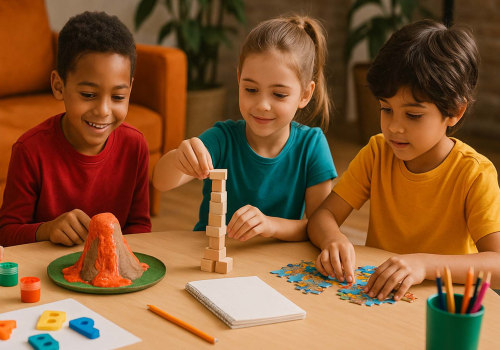
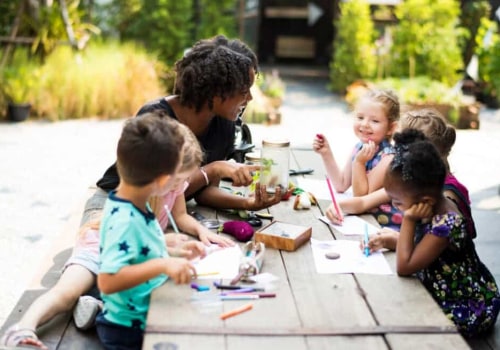
In the ever-evolving landscape of education, collaborative learning has emerged as a transformative approach that not only enhances academic performance but also enriches the overall learning experience for children. This method encourages students to engage with one another, fostering an environment where fun learning for kids becomes a natural outcome. By working together on projects, sharing ideas, and solving problems collectively, children develop essential skills that extend beyond the classroom.The significance of collaborative learning lies in its ability to create a sense of community among peers. When children collaborate, they are not just passive recipients of information; they become active participants in their education.
This active engagement is crucial for making learning enjoyable and meaningful. As they navigate group dynamics, children learn to appreciate diverse perspectives, which not only broadens their understanding of various subjects but also cultivates empathy and respect for others.Moreover, collaborative learning aligns seamlessly with modern educational methods that prioritise student-centred approaches. In an age where rote memorisation is becoming less effective, the emphasis on teamwork and collaboration prepares children for real-world challenges. They learn to communicate effectively, negotiate roles within a group, and manage conflicts—skills that are invaluable in both academic settings and future workplaces.
Ultimately, by integrating collaborative learning into educational practices, we can transform traditional learning into an engaging experience that resonates with children's innate curiosity and desire for connection.
The Benefits of Collaborative Learning for Kids
Collaborative learning is a powerful educational approach that offers a multitude of benefits for children, significantly enhancing their overall development. By engaging in group activities, children not only acquire knowledge but also develop essential skills that will serve them throughout their lives.Social Skills Development
One of the most profound advantages of collaborative learning is its ability to foster social skills. When children work together, they are required to communicate effectively, share ideas, and listen to one another. This interaction is crucial for developing empathy and respect for diverse perspectives.As they navigate group dynamics, children learn to:
- Articulate their thoughts: Expressing ideas in a group setting helps children build confidence in their communication abilities.
- Practice active listening: Understanding others' viewpoints is vital for effective collaboration and conflict resolution.
- Negotiate roles: Working in teams teaches children how to assign tasks based on individual strengths, promoting a sense of shared responsibility.
Cognitive Benefits
In addition to social skills, collaborative learning significantly enhances cognitive development. Engaging with peers allows children to explore concepts more deeply as they explain their thoughts and challenge each other's ideas. This process encourages:- Critical thinking: Children learn to evaluate different perspectives and approaches, which fosters a deeper understanding of the subject matter.
- Problem-solving skills: Working together on projects enables children to brainstorm solutions collectively, enhancing their ability to think creatively.
- Increased engagement: Collaborative tasks often involve interactive elements that make learning enjoyable, keeping children motivated and eager to participate.
They not only enjoy the learning process but also cultivate a lifelong love for education that can lead to success in various aspects of life.
Enhancing Fun Learning Experiences through Collaboration
Collaborative learning is a transformative approach that significantly enhances fun learning experiences for children. By shifting the focus from individual achievement to group engagement, this method creates an interactive environment where children can thrive. The essence of collaborative learning lies in its ability to make education enjoyable and meaningful through shared experiences.One of the most effective ways to foster engaging activities is through project-based learning. In this format, children work together on a specific task or project, allowing them to explore subjects in depth while utilising their unique strengths.For instance, a science project on ecosystems can involve children researching different habitats, creating models, and presenting their findings to the class. This not only makes learning fun but also encourages teamwork and creativity.Another exciting aspect of collaborative learning is the incorporation of games and interactive activities. Educational games that require teamwork can turn traditional lessons into lively competitions. For example, a math scavenger hunt where children solve problems in teams can make learning numbers and equations an exhilarating experience.
Such activities not only enhance understanding but also promote healthy competition and camaraderie among peers.Moreover, collaborative learning encourages children to engage in discussions and debates, which are vital for developing critical thinking skills. When children are tasked with discussing a topic in groups, they learn to articulate their thoughts clearly and consider alternative viewpoints. This process not only deepens their understanding of the subject matter but also fosters respect for differing opinions, making the learning experience richer.In addition to academic benefits, collaborative learning nurtures social skills that are essential for personal development. As children work together, they learn to communicate effectively, resolve conflicts, and build relationships based on trust and respect.
These interactions create a supportive atmosphere where children feel comfortable expressing themselves, ultimately leading to a more enjoyable educational journey.In conclusion, by integrating collaborative methods into educational practices, we can significantly enhance fun learning experiences for kids. The combination of engaging activities, interactive learning environments, and social skill development creates a holistic approach that not only makes education enjoyable but also prepares children for future challenges.
Creating a Collaborative Learning Environment at Home and School
Creating a collaborative learning environment is essential for nurturing fun learning for kids. Both at home and in educational settings, children thrive when they can engage with their peers and adults in meaningful ways. Here are some practical strategies that parents and educators can implement to foster collaboration:- Encourage Group Projects: Assign tasks that require teamwork, such as science experiments or creative arts projects.
These activities not only promote effective communication but also help children learn to share ideas and responsibilities.
- Utilise Technology: Incorporate educational apps and online platforms that facilitate collaboration. Tools like Google Classroom or interactive games can make learning more engaging and enjoyable, allowing children to work together even from a distance.
- Create a Dedicated Learning Space: Designate an area at home or in the classroom where children can gather to collaborate. This space should be inviting and equipped with necessary resources, such as books, art supplies, and technology, to encourage creativity and teamwork.
- Host Learning Circles: Organise regular meetings where children can discuss what they’ve learned, share experiences, and ask questions. This not only reinforces their knowledge but also builds confidence in public speaking and fosters a sense of community.
- Incorporate Play: Use games that require teamwork to solve problems or complete challenges.
This approach makes learning enjoyable and encourages children to collaborate naturally while developing essential social skills.
- Teacher Collaboration: Educators should work together to create interdisciplinary lessons that allow students to see connections between subjects. This not only enriches the curriculum but also models collaborative behaviour for students.
- Peer Mentoring: Pair older students with younger ones to facilitate learning. This not only helps the younger students but also reinforces the older students' knowledge, creating a supportive learning environment.
- Community Involvement: Engage parents and local organisations in the learning process. Workshops or events that include families can strengthen the home learning environment and promote a sense of belonging.
Examples of Fun Collaborative Learning Activities for Kids
Engaging children in fun collaborative learning activities not only enhances their educational experience but also fosters essential social skills.Here are some exciting examples that can be easily implemented in various educational settings:
- Group Storytelling: Children can work together to create a story. Each child contributes a sentence or a paragraph, allowing them to build on each other's ideas. This activity encourages creativity and teamwork while improving their narrative skills.
- Science Experiments: Organising small groups to conduct simple science experiments can be both educational and entertaining. For instance, children can collaborate to create a volcano using baking soda and vinegar, discussing the chemical reactions as they work together.
- Art Projects: Collaborative art projects, such as mural painting or group collages, allow children to express themselves creatively while learning to appreciate different perspectives.
Each child can contribute their unique style, resulting in a vibrant collective piece.
- Outdoor Treasure Hunts: Designing a treasure hunt where children must work in teams to solve clues promotes problem-solving and critical thinking. This interactive learning experience encourages physical activity and teamwork as they search for hidden treasures.
- Classroom Debates: Organising debates on age-appropriate topics can stimulate critical thinking and public speaking skills. Children can work in pairs or small groups to prepare their arguments, fostering collaboration and respect for differing opinions.
For example, using online platforms for group projects allows children to share resources and ideas seamlessly, even outside the classroom. This not only makes learning more interactive but also prepares them for future collaborative efforts in a digital world.Ultimately, the key to successful collaborative learning lies in creating an atmosphere where children feel safe to express their thoughts and ideas. By encouraging participation and valuing each child's contribution, educators can ensure that these fun activities lead to meaningful learning experiences.
Addressing Challenges in Collaborative Learning
While collaborative learning offers numerous benefits, it also presents certain challenges that can hinder its effectiveness. Recognising and addressing these challenges is crucial for creating a productive and enjoyable learning environment for children.Below are some common obstacles encountered in collaborative learning settings, along with strategies to overcome them.
Unequal Participation
One of the most prevalent issues in collaborative learning is the unequal participation among group members. In many cases, some children may dominate discussions while others remain passive, leading to frustration and disengagement. To combat this, educators can implement structured roles within group activities. Assigning specific tasks such as 'leader', 'note-taker', or 'presenter' ensures that every child has a defined responsibility, encouraging active involvement from all participants.Conflict Resolution
Conflicts are a natural part of group dynamics, but they can disrupt the learning process if not managed effectively.Disagreements may arise over differing opinions or approaches to tasks, which can lead to frustration among group members. To address this challenge, educators should teach conflict resolution skills. Role-playing scenarios can provide children with the opportunity to practice resolving disputes in a safe environment. This not only enhances their social skills but also reinforces the idea that collaboration can be enjoyable and productive.
Diverse Learning Styles
Another challenge is the presence of varying learning styleslearning styles within a group.Children may have different preferences for how they absorb information—some may excel with visual aids, while others thrive in auditory settings. To accommodate these differences, educators should incorporate a variety of teaching methods into collaborative tasks. This could include hands-on activities, storytelling, and visual presentations to cater to diverse preferences and keep the learning process engaging for everyone.
Time Management
Effective time management is crucial in collaborative settings, as groups may struggle to stay on task or complete projects within set timeframes. To mitigate this issue, educators can set clear deadlines and break tasks into smaller, manageable parts.Establishing a timeline for each phase of the project helps maintain focus and ensures that all children contribute effectively.By proactively addressing these challenges through thoughtful strategies, educators can create an enriching collaborative learning environment that not only overcomes obstacles but also enhances the overall experience of fun learning for kids.
FAQs about Collaborative Learning for Kids
Collaborative learning is an innovative educational approach that encourages children to work together, fostering an environment where fun learning for kids can flourish. Below are some frequently asked questions that provide insights into the benefits and effectiveness of this method.What are the main benefits of collaborative learning?
- Enhanced Social Skills: Collaborative learning significantly improves children's ability to communicate, resolve conflicts, and develop empathy. By interacting with peers, they learn to appreciate diverse viewpoints and work towards common goals.
- Improved Critical Thinking: When children engage in group discussions, they are encouraged to share their ideas and challenge each other's perspectives. This exchange fosters deeper understanding and enhances their analytical skills.
- Increased Engagement: Group activities often transform traditional learning into an interactive experience.
The collaborative nature of these tasks makes learning more enjoyable, motivating children to participate actively.
How does group work contribute to fun learning?
- Creative Problem-Solving: Working together allows children to tackle challenges collaboratively, leading to innovative solutions and a sense of accomplishment.
- Shared Experiences: Learning alongside peers creates lasting memories and friendships, making education more enjoyable and meaningful.
Can collaborative learning be effective for all age groups?
Absolutely! While the methods may vary based on age, collaborative learning can be adapted for different developmental stages. Younger children might engage in simple group games or activities, while older students can tackle more complex projects that require critical thinking and teamwork.What role do teachers play in collaborative learning?
Teachers serve as facilitators in collaborative settings. They guide discussions, provide resources, and ensure that all voices are heard. By creating a balanced environment, educators help children feel valued and encourage them to contribute actively to group tasks.In summary, understanding the principles of collaborative learning can empower parents and educators to harness its potential, creating a more engaging and effective educational experience for children.By embracing this approach, we can cultivate a generation of learners who not only excel academically but also thrive socially and emotionally.
Conclusion: The Future of Fun Learning through Collaboration
As we reflect on the transformative power of collaborative learning, it becomes evident that this approach is not merely a trend but a fundamental shift in how we perceive education. The future of education lies in embracing collaboration as a core component of the learning process. By fostering environments where children can work together, we are not only enhancing their academic performance but also nurturing essential life skills that will serve them well beyond the classroom.The importance of collaboration in education cannot be overstated. It cultivates a sense of community among students, allowing them to build relationships based on trust and mutual respect.When children collaborate, they learn to appreciate diverse perspectives, which is crucial in our increasingly globalised world. This exposure to different viewpoints fosters empathy and understanding, qualities that are essential for effective communication and teamwork in any future career.Moreover, collaborative learning creates an atmosphere where fun learning for kids is not just an ideal but a reality. Engaging in group activities transforms traditional educational experiences into dynamic and enjoyable ones. Children are more likely to develop a lifelong love for learning when they associate it with positive interactions and shared successes.
The joy of working together towards a common goal ignites curiosity and motivates students to explore new ideas and concepts.In conclusion, as we look towards the future, it is imperative that educators and parents advocate for collaborative learning practices. By prioritising teamwork and shared experiences in educational settings, we can equip our children with the skills they need to thrive in an ever-changing world. The journey towards making learning enjoyable and meaningful is ongoing, but with collaboration at its heart, we can ensure that our children are not only prepared academically but also inspired to become compassionate and capable individuals.