In today's educational landscape, the significance of fun learning for kids cannot be overstated, particularly for children with special needs. These children often encounter unique challenges that can make traditional learning methods less effective. Therefore, it is essential to create an environment where learning is not only informative but also enjoyable. By integrating engaging strategies into their education, we can foster a love for learning that transcends the barriers they face.Children with special needs may have diverse learning styles and preferences, which necessitates a tailored approach to education.
Making learning enjoyable is not merely about incorporating games or playful activities; it involves understanding each child's individual strengths and weaknesses. When educators and parents prioritise engaging learning strategies , they open the door to a world of possibilities that can enhance both academic performance and emotional well-being.Moreover, the benefits of fun learning extend beyond mere enjoyment. Engaging activities can significantly improve motivation, retention, and social skills among children with special needs. When children are excited about what they are learning, they are more likely to participate actively and retain information more effectively.
This creates a positive feedback loop where success breeds further enthusiasm for learning.As we delve deeper into this topic, we will explore various techniques and strategies that can transform the educational experience for children with special needs. From hands-on activities to the integration of technology, these methods aim to create a supportive and stimulating environment that encourages exploration and growth. Ultimately, the goal is to ensure that every child has the opportunity to thrive in their educational journey while enjoying the process of learning.
Understanding Special Needs in Education
Understanding special needs in education is vital for creating an environment where every child can flourish. Special needs encompass a broad spectrum of conditions, each presenting unique challenges that can hinder a child's ability to learn effectively in traditional educational settings.These conditions may include, but are not limited to, learning disabilities, autism spectrum disorders, attention deficit hyperactivity disorder (ADHD), and emotional or behavioural difficulties.Children with learning disabilities, for instance, may struggle with reading, writing, or mathematics despite having average or above-average intelligence. This discrepancy can lead to frustration and a lack of confidence in their academic abilities. On the other hand, children on the autism spectrum may face challenges in social interactions and communication, making it difficult for them to engage with peers and educators alike.Moreover, children with ADHD often experience difficulties with attention regulation and impulse control. This can result in challenges in maintaining focus during lessons or completing tasks within a set timeframe.
Emotional and behavioural difficulties can manifest as anxiety or disruptive behaviour, further complicating the learning process.Recognising these diverse needs is the first step towards fostering an inclusive education system. Traditional teaching methods often fail to accommodate the varied learning styles and paces of children with special needs. Therefore, it is essential for educators and parents to adopt tailored approaches that cater to individual strengths and weaknesses.For instance, implementing multisensory learning techniques can significantly enhance engagement for children who struggle with conventional methods. This approach involves using visual, auditory, and tactile elements to reinforce learning concepts.
Additionally, creating a supportive classroom atmosphere where children feel safe to express themselves can encourage participation and reduce anxiety.Ultimately, understanding special needs in education is about recognising that each child is unique. By embracing this diversity and adapting teaching strategies accordingly, we can create an enriching educational experience that not only addresses academic goals but also nurtures emotional and social development.
The Importance of Fun in Learning
Making learning enjoyable is not merely an enhancement; it is a fundamental necessity, particularly for children with special needs. The significance of fun learning cannot be overstated, as it plays a pivotal role in shaping a child's educational experience and overall development.One of the primary benefits of incorporating fun into learning is the increase in motivation. When children find joy in their educational activities, they are more likely to engage actively and participate wholeheartedly.This heightened interest can lead to a willingness to tackle challenging subjects that they might otherwise avoid. For instance, using games or interactive storytelling can transform a daunting lesson into an exciting adventure, making children eager to learn.Moreover, fun learning experiences significantly enhance information retention. Research indicates that when children associate knowledge with enjoyable activities, they are more likely to remember what they have learned. For example, a child who learns about fractions through cooking may find it easier to recall the concept later because they have linked it to a positive and engaging experience.
This connection between enjoyment and memory is crucial for children with special needs, who may struggle with traditional learning methods.In addition to motivation and retention, fun learning contributes to emotional well-being. A positive learning environment reduces anxiety and frustration, allowing children to explore new concepts without fear of failure. Activities that incorporate play and creativity can create a safe space for self-expression, helping children develop confidence in their abilities. For instance, art projects or music-based lessons can provide an outlet for emotions while reinforcing academic skills.Ultimately, prioritising fun in education is essential for fostering an effective learning atmosphere for children with special needs.
By creating engaging and enjoyable experiences, parents and educators can unlock a world of possibilities that not only enhance academic performance but also support emotional growth and resilience.
Fun Learning Strategies for Children with Special Needs
Creating an engaging and enjoyable learning experience for children with special needs requires a thoughtful approach that incorporates various fun learning strategies. These strategies not only cater to different learning styles but also help maintain the child's interest and motivation. Here are some effective methods to consider:Hands-On Activities
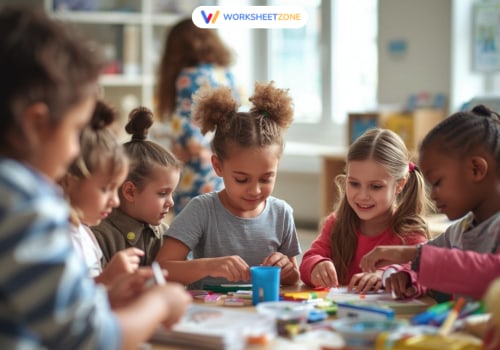
- Art Projects: Integrating art into lessons allows children to express themselves creatively. Use materials like clay, paints, or recycled items to create projects that relate to the subject matter.
This not only fosters creativity but also enhances fine motor skills.
- Science Experiments: Simple experiments can make scientific concepts tangible. For instance, creating a volcano with baking soda and vinegar can teach chemical reactions in an exciting way, making learning memorable.
- Cooking Lessons: Cooking can be a fun way to teach math (measuring ingredients) and science (understanding how heat changes food). Plus, it results in a tasty treat that children can enjoy after their hard work!
Interactive Games
- Educational Board Games: Games that require strategy or problem-solving can enhance cognitive skills while providing a fun atmosphere. Look for games that align with the learning objectives, ensuring they are both educational and enjoyable.
- Digital Learning Tools: Many apps and online platforms offer interactive lessons tailored for special needs children.
These tools often include gamified elements that make learning feel like play, keeping children engaged.
- Role-Playing Activities: Engaging in role-play can help children understand social situations and develop communication skills. Create scenarios that they might encounter in real life, allowing them to practice responses in a safe environment.
Storytelling and Music
- Storytelling Sessions: Use stories to introduce new concepts. Encourage children to participate by acting out parts of the story or creating their own endings, which enhances comprehension and creativity.
- Musical Learning: Incorporate songs into lessons. Rhymes and melodies can aid memory retention and make information more accessible, turning learning into a joyful experience.
The key is to keep the atmosphere light-hearted and stress-free, allowing each child to explore and learn at their own pace.
Incorporating Technology in Fun Learning
In today's digital landscape, educational technologyeducational technology plays a pivotal role in transforming the learning experiences of children with special needs. By integrating technology into educational practices, parents and educators can create engaging and interactive environments that cater to diverse learning styles. This section delves into how various technological tools and applications can enhance fun learning for kids.Educational Apps for Special Needs
- Speech and Language Development: Applications like Speech Blubs and Articulation Station are designed to improve communication skills through interactive games and activities. These apps often use engaging visuals and sounds to capture children's attention, making learning enjoyable.
- Math and Literacy: Programs such as Endless Alphabet and Todo Math offer playful approaches to essential skills.
By gamifying learning, these apps help children tackle challenging subjects in a fun way, fostering a positive attitude towards education.
- Sensory Learning: For children with sensory processing issues, apps like Panda’s Educational Games provide rich sensory experiences that can enhance engagement and understanding.
Interactive Learning Tools
Beyond apps, various interactive tools can further enrich the educational experience:
- Tablets and Interactive Whiteboards: These devices allow for hands-on learning, enabling children to engage with content in a tactile manner. They can manipulate images, draw, or even play educational games that reinforce lessons.
- Smart Speakers: Tools like Amazon Echo or Google Home can create an immersive learning environment by providing instant feedback, quizzes, and even storytelling sessions that encourage participation.
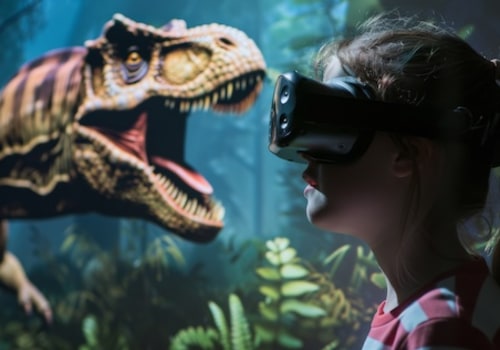
- Virtual Reality (VR): VR technology offers exciting opportunities for fun learning. Children can explore different environments—like the solar system or underwater ecosystems—making lessons memorable and engaging.
The Importance of Tailoring Technology
The key to successfully incorporating technology into learning is to ensure that the tools align with each child's interests and needs. By selecting appropriate applications and devices, parents can foster a love for learning that is both enjoyable and effective.
Ultimately, the thoughtful integration of technology not only enhances educational outcomes but also makes the learning journey an exciting adventure for children with special needs.
Creating a Supportive Learning Environment
Creating a supportive learning environment is fundamental to fostering fun learning experiences for children with special needs. This environment should be tailored to meet the unique requirements of each child, ensuring they feel safe, valued, and motivated to engage in their educational journey.Thoughtful Classroom Setup
A well-organised classroom can significantly impact a child's ability to learn effectively. Here are some key elements to consider when setting up a classroom for children with special needs:- Flexible Seating: Incorporating various seating options such as bean bags, floor cushions, or standing desks allows children to choose what makes them most comfortable. This flexibility can enhance focus and engagement during lessons.
- Visual Aids: Utilising charts, pictures, and colour-coded materials can help children grasp concepts more easily.
Visual aids make learning more interactive and enjoyable, catering to visual learners.
- Quiet Zones: Designating areas where children can retreat if they feel overwhelmed is crucial. A calm space helps them regain focus and reduces anxiety, allowing for a more productive learning experience.
- Interactive Learning Stations: Setting up different stations that focus on various subjects or skills encourages exploration and hands-on learning. This approach makes the learning process more dynamic and enjoyable.
Positive Reinforcement Strategies
In addition to the physical setup, implementing positive reinforcement strategies can significantly enhance the learning experience for children with special needs. Recognising and celebrating small achievements boosts a child's confidence and motivation.Here are some effective methods:
- Praise Efforts: Acknowledge not just the outcomes but also the effort put into tasks. This encourages persistence and resilience, helping children understand that hard work is valued.
- Reward Systems: Create a reward chart where children can earn stickers or tokens for completing tasks or demonstrating positive behaviour. This tangible recognition can motivate them to engage more actively in their learning.
- Encouraging Language: Use affirming language that focuses on strengths rather than weaknesses. Phrases like "I love how you tried your best!" can have a profound impact on a child's self-esteem and willingness to participate.
Parental Involvement in Fun Learning Activities
Parental involvement plays a pivotal role in creating a fun learning environment for children with special needs.When parents actively engage in their child's education, they not only enhance the learning experience but also strengthen the emotional bond between parent and child. Here are several effective strategies that parents can implement to facilitate enjoyable learning activities at home.
Interactive Storytime
Storytime can be transformed into an interactive adventure. Choose books that align with your child's interests, whether it's animals, space, or fairy tales. Use different voices for characters to make the story come alive.Encourage your child to participate by asking questions about the plot or predicting what might happen next. This not only improves their comprehension skills but also fosters a love for reading.
Creative Arts and Crafts
Setting up a dedicated space for arts and crafts can unleash your child's creativity. Provide a variety of materials such as paper, paints, and recycled items to create projects that reflect their personality and interests. For instance, if your child enjoys nature, they could create a collage using leaves and flowers collected during a walk.This activity not only enhances fine motor skills but also allows for self-expression.
Cooking Together
Cooking can be an enjoyable way to incorporate learning into daily routines. Involve your child in simple cooking tasks like measuring ingredients or following a recipe. This not only teaches them essential math skills but also enhances their understanding of science concepts, such as how heat changes food. Plus, enjoying the final product together adds an element of fun!Outdoor Learning
Taking learning outside can provide fresh perspectives and stimulate curiosity.Nature walks offer excellent opportunities to explore scientific concepts. Collecting leaves or rocks can lead to discussions about their characteristics, while scavenger hunts can make the experience more engaging. Outdoor activities encourage physical movement and can significantly enhance mood and focus.
Educational Games
Board games and card games are not just entertaining; they can also be educational. Choose games that promote critical thinking, teamwork, and problem-solving skills.For example, strategy games can enhance cognitive abilities while providing a fun atmosphere for family bonding. This approach not only makes learning enjoyable but also encourages social interaction among family members.By incorporating these engaging activities into daily routines, parents can create a rich learning environment that is both enjoyable and beneficial for their children with special needs. The key is to maintain a light-hearted atmosphere that allows children to explore and learn at their own pace, fostering a lifelong love for learning.
Real-Life Examples of Fun Learning Strategies
Implementing fun learning strategies for children with special needs can lead to transformative outcomes, as evidenced by various real-life examples and case studies. These instances highlight the effectiveness of engaging activities tailored to meet the unique needs of these children.The Sensory Garden Initiative
At a local primary school, educators developed a sensory garden specifically designed for children on the autism spectrum.This garden featured a variety of textures, scents, and sounds, allowing students to explore nature in a safe and stimulating environment. The hands-on experience not only enhanced their sensory processing skills but also encouraged social interaction among peers. Teachers reported significant improvements in communication and engagement during outdoor lessons, demonstrating how a well-designed space can facilitate fun learning.
Interactive Storytelling Success
A special needs teacher implemented interactive storytelling sessions using puppets and props to engage her students. By allowing children to actively participate in the storytelling process, they developed language skills and boosted their confidence.One child, who previously struggled with verbal communication, began expressing himself more freely and even created his own stories. This approach not only made learning enjoyable but also fostered a love for literature.
Art Therapy Workshops
An art therapy programme introduced at a community centre for children with learning disabilities showcased the power of creative expression. Through various artistic mediums, children communicated their feelings and experiences in ways that words often could not capture. The workshops not only nurtured creativity but also improved fine motor skills and provided a sense of accomplishment.Parents noted that their children were more willing to engage in discussions about their emotions after participating in these sessions.
Collaborative Educational Games
A group of parents collaborated to develop educational games tailored to their children's unique learning styles. These games incorporated elements of play while teaching essential skills such as counting, reading, and problem-solving. Feedback from parents indicated that their children were more motivated to learn when it felt like play rather than traditional study methods. This collaborative effort not only enhanced learning outcomes but also fostered a sense of community among families.These examples illustrate that by incorporating fun learning strategies tailored to the needs of children with special needs, educators and parents can create enriching environments that promote both learning and enjoyment.The key is to remain flexible and responsive to each child's individual preferences and strengths.
Frequently Asked Questions about Fun Learning for Kids with Special Needs
Parents often have numerous questions when it comes to making learning enjoyable and engaging for their children with special needs. Below are some frequently asked questions that can provide guidance and practical advice in this journey.What types of activities can make learning fun for kids with special needs?
Engaging activities can include:- Hands-on projects: Activities that involve building, crafting, or experimenting can captivate children's attention and enhance their understanding of concepts.
- Interactive games: Board games, card games, and digital educational games can make learning feel like play while reinforcing essential skills.
- Sensory play: Activities that stimulate the senses, such as water play, sand play, or using textured materials, can be particularly beneficial for children with sensory processing issues.
- Creative arts: Incorporating music, dance, and visual arts into lessons allows children to express themselves and learn in diverse ways.
How can I tailor learning experiences to my child's interests?
Understanding your child's passions is key to making learning enjoyable. Here are some strategies:- Use their interests as a foundation: If your child loves animals, incorporate animal-themed books, videos, and activities into their learning.
- Create themed lessons: Design lessons around your child's favourite topics or hobbies to keep them engaged and motivated.
- Encourage exploration: Allow your child to explore their interests through projects or research, fostering a sense of ownership over their learning.
Are there specific tools or resources that can help?
Yes! There are many educational apps and websites designed specifically for children with special needs. Look for resources that offer:- Interactive content: Apps that include games and quizzes can make learning more engaging.
- Diverse learning styles: Resources that cater to visual, auditory, and kinesthetic learners can help meet your child's unique needs.
- Progress tracking: Tools that allow you to monitor your child's progress can help you adjust learning strategies as needed.
How important is routine in fun learning?
While spontaneity can be exciting, having a consistent routine helps children feel secure.Here are some tips:
- Create a structured schedule: Incorporate fun elements into the routine to keep it engaging without losing structure.
- Balance activities: Mix educational tasks with enjoyable activities to maintain interest and motivation.
Can I involve other children in the learning process?
Absolutely! Peer interaction can be incredibly beneficial. Consider these options:- Group activities: Organise collaborative projects or games that encourage teamwork and social skills.
- Playdates: Arrange playdates with peers to foster social interaction while making learning enjoyable.
Conclusion: Embracing Fun Learning for All Children
In summary, embracing fun learning for children with special needs is not merely an option; it is a fundamental necessity that can significantly enhance their educational experience. Throughout this article, we have explored various strategies and techniques that can transform traditional learning into an engaging and enjoyable journey for all children.One of the most critical aspects highlighted is the importance of recognising each child's unique needs and interests.By tailoring educational approaches to align with these individual characteristics, parents and educators can create a more inclusive environment that fosters enthusiasm and motivation. This personalised approach not only aids in academic achievement but also nurtures emotional and social development.Moreover, incorporating elements of play into learning activities has proven to be highly effective. Play-based learning encourages children to explore concepts in a relaxed setting, making it easier for them to absorb information. Activities such as interactive games, hands-on projects, and creative arts not only make lessons more enjoyable but also enhance retention and understanding.Additionally, the use of multisensory techniques can greatly benefit children with special needs.
Engaging multiple senses through visual aids, auditory materials, and tactile experiences caters to diverse learning styles, ensuring that every child has the opportunity to thrive. This approach not only reinforces concepts but also makes learning memorable.Creating a supportive atmosphere is equally vital. Celebrating small victories and providing positive reinforcement can significantly boost a child's confidence and willingness to engage in learning activities. When children feel valued and understood, they are more likely to participate actively in their educational journey.Ultimately, the goal of making learning fun is to cultivate an inclusive environment where every child can flourish.
By embracing creativity, flexibility, and understanding in educational practices, parents and educators can help children develop a lifelong love for learning. This commitment to fostering an enjoyable learning experience will not only benefit children with special needs but will also enrich the educational landscape for all learners.