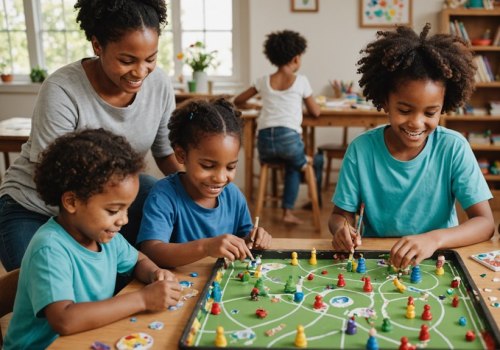
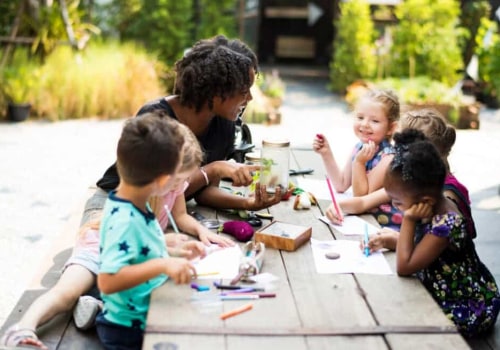
In the contemporary educational landscape, the concept of fun learning for kids has gained significant traction, emerging as a vital component in engaging young learners. This approach transcends traditional methods of education, which often rely heavily on rote memorisation and standardised testing. Instead, fun learning prioritises the natural curiosity and interests of children, transforming the educational experience into an exciting journey of discovery. By integrating playfulness and enjoyment into learning activities, educators can create an environment where children are not only willing to participate but are also eager to explore new ideas and concepts.The importance of fun learning cannot be overstated.
Research has shown that when children are engaged in enjoyable activities, their ability to absorb and retain information significantly improves. This is because fun learning taps into a child's intrinsic motivation, making them more likely to engage with the material at hand. For instance, incorporating games, hands-on projects, and interactive storytelling can turn mundane lessons into captivating experiences that resonate with children's interests. As a result, children develop a deeper understanding of the subject matter while simultaneously fostering a love for learning that can last a lifetime.Moreover, engaging children in education through fun learning strategies promotes not only academic success but also social and emotional development.
When children collaborate on projects or participate in group activities that they find enjoyable, they enhance their communication skills and build meaningful relationships with their peers. This collaborative aspect of fun learning encourages teamwork and empathy, essential skills that extend beyond the classroom. Ultimately, by prioritising fun in education, we lay the groundwork for well-rounded individuals who are prepared to navigate the complexities of the world around them.
The Benefits of Tailored Learning
Tailoring learning experiences to align with children's individual interests and abilities offers a multitude of benefits that significantly enhance their educational journey. This personalised approach not only makes learning more enjoyable but also fosters a deeper connection between the child and the material being studied.Improved Engagement
: One of the most immediate advantages of tailored learning is the heightened level of engagement it promotes.
When children are exposed to subjects that resonate with their personal interests, they are more likely to participate actively in their education. For instance, a child who loves animals may be more engaged in a science lesson that involves studying wildlife than in a generic lesson on ecosystems. This active participation can lead to a more profound understanding of the material.
Increased Motivation
: Tailored learning ignites intrinsic motivation. Children who find joy in what they are learning are more likely to take initiative in their studies.
This motivation can manifest in various ways, such as completing assignments with enthusiasm or seeking out additional resources to explore their interests further. For example, a child fascinated by space might go beyond classroom materials to read books or watch documentaries about astronomy, thereby enriching their knowledge and understanding.
Enhanced Academic Performance
: Research consistently shows that students who engage with content that aligns with their interests tend to perform better academically. When children are motivated and engaged, they are more likely to invest time and effort into their studies, leading to improved grades and a deeper comprehension of complex concepts. This positive feedback loop reinforces their love for learning, creating a solid foundation for future academic success.
Social-Emotional Development
: Tailored learning also plays a crucial role in fostering social and emotional skills.
When children work on projects that reflect their interests, they often collaborate with peers who share similar passions. This collaboration not only enhances teamwork skills but also builds emotional intelligence as children learn to communicate effectively and navigate group dynamics. Furthermore, recognising and celebrating individual strengths boosts self-esteem, encouraging children to embrace challenges rather than shy away from them.In summary, the benefits of tailored learning extend far beyond academic achievement. By focusing on children's unique interests and abilities, we create an enriching educational environment that promotes engagement, motivation, and holistic development. When children work on projects that reflect their interests, they often collaborate with peers who share similar passions. This collaboration not only enhances teamwork skills but also builds emotional intelligence as children learn to communicate effectively and navigate group dynamics. Furthermore, recognising and celebrating individual strengths boosts self-esteem, encouraging children to embrace challenges rather than shy away from them.In summary, the benefits of tailored learning extend far beyond academic achievement. By focusing on children's unique interests and abilities, we create an enriching educational environment that promotes engagement, motivation, and holistic development.
This approach not only prepares children for academic success but also equips them with essential life skills that will serve them well into adulthood.
How Interests Influence Learning
Understanding how children's interests influence their learning is essential for creating an engaging educational experience. When children are allowed to explore subjects that genuinely captivate them, they are more likely to retain information and develop a lifelong love for learning. This concept, known as interest-based education , tailors learning experiences to align with a child's passions and abilities, making the educational journey both enjoyable and effective.One of the most significant benefits of interest-based education is the enhanced engagement it fosters. When lessons incorporate a child's interests, they are more likely to participate actively in their learning.For example, a child fascinated by space might be encouraged to read books about astronomy, conduct simple experiments related to planets, or even create art projects inspired by the cosmos. This approach not only makes learning enjoyable but also enhances their motivation to delve deeper into the subject matter.Moreover, interest-based learning can lead to increased motivation. Children who engage with topics they love often exhibit a greater willingness to complete assignments and projects. This intrinsic motivation fosters a positive attitude towards education, encouraging them to take initiative in their studies.
For instance, if a child enjoys storytelling, integrating creative writing exercises into their curriculum can spark their enthusiasm and lead to improved writing skills.Another critical aspect of interest-based education is its ability to promote the development of critical thinking skills. When children are encouraged to ask questions and seek answers about subjects that intrigue them, they learn to think critically and analytically. This skill set is essential for lifelong learning and can be nurtured through project-based learning or inquiry-based activities that allow children to explore their interests in depth.Incorporating fun learning for kids can take various forms, such as hands-on activities, games, or collaborative projects that resonate with their interests. For example, if a child has a passion for music, lessons can include rhythm exercises or songs that relate to the concepts being taught.
This not only makes complex ideas more accessible but also helps children remember what they have learned.Ultimately, recognising and nurturing a child's interests not only makes learning more enjoyable but also equips them with the skills and confidence needed to explore new ideas and challenges. By fostering an environment where children can pursue their passions, we lay the groundwork for a lifelong love of learning that extends beyond the classroom.
Recognising Individual Abilities
Recognising individual abilities in children is a fundamental aspect of creating an engaging and effective educational environment. Each child possesses a unique combination of skills, interests, and learning styles that can significantly influence their academic journey. By identifying and nurturing these individual traits, educators and parents can tailor learning experiences that resonate with each child's strengths.One effective approach to recognising individual abilities is through differentiated instruction.This method involves adapting teaching strategies to meet the diverse needs of students. For instance, a teacher might use a variety of assessment tools—such as observations, quizzes, and interactive activities—to gauge a child's strengths and weaknesses. By understanding where a child excels or struggles, educators can modify their teaching methods accordingly, ensuring that each student receives the support they need.Another important strategy is ability-based learning , which allows children to progress at their own pace and level of understanding. For example, a child who demonstrates a strong aptitude for mathematics may benefit from advanced problem-solving tasks that challenge their skills.
Conversely, another child who enjoys storytelling might thrive in creative writing exercises that allow them to express their ideas freely. This alignment of learning activities with children's interests not only enhances engagement but also promotes a deeper understanding of the material.Moreover, fostering an environment that celebrates individual abilities encourages children to take ownership of their learning journey. When children feel recognised for their unique talents, they are more likely to participate actively in class discussions and activities. This sense of accomplishment can lead to increased motivation and confidence—two essential components for lifelong learning.In conclusion, recognising and accommodating individual abilities is vital for creating an enriching educational experience.
By employing differentiated instruction and ability-based learning strategies, we can ensure that each child receives the tailored support they need to flourish academically and personally. This approach not only enhances academic performance but also nurtures well-rounded individuals who are excited about their education.
Creating a Fun Learning Environment
Creating a fun learning environment is essential for nurturing a child's love for education. When children are excited and engaged, they are more likely to absorb information and develop critical thinking skills. Here are some effective strategies for educators and parents to cultivate such an environment:- Incorporate Interests: Begin by identifying each child's unique interests.
Whether it’s dinosaurs, space exploration, or art, integrating these themes into lessons can make learning more relatable and enjoyable. For example, a child fascinated by animals could explore biology through interactive projects about wildlife.
- Interactive Learning Stations: Set up various stations in the classroom or home where children can explore different subjects through hands-on activities. A science station might include simple experiments, while an art station could feature creative projects related to the current topic. This approach allows children to learn at their own pace and encourages exploration.
- Playful Learning Strategies: Use games and playful activities to teach concepts.
For instance, math can be taught through board games that involve counting or strategy, while language skills can be enhanced through storytelling sessions where children act out their favourite tales. Incorporating technology, such as educational apps or interactive whiteboards, can also provide dynamic ways for children to engage with the material.
- Flexible Seating Arrangements: Allow children to choose where they sit and how they learn best. Comfortable seating options like bean bags or floor cushions can create a relaxed atmosphere conducive to fun learning for kids. This flexibility can help children feel more at ease and open to participating in discussions.
- Encourage Collaboration: Foster teamwork by incorporating group projects that require children to work together.
This not only makes learning more enjoyable but also helps develop social skills. Collaborative activities based on shared interests can enhance engagement and create a sense of community within the classroom.
The Role of Parents and Educators in Tailoring Learning
The collaboration between parents and educators is vital in creating a tailored learning experience that resonates with children's unique interests and abilities.This partnership not only enhances the educational journey but also fosters a supportive environment where children can thrive.
Active Participation of Parents
- Engagement in Learning: Parents play a crucial role by actively participating in their child's education. This involvement can take many forms, such as attending school events, helping with homework, or discussing daily lessons. By showing interest in what their children are learning, parents can reinforce the importance of education.
- Identifying Interests: Parents are often the first to notice their child's passions and strengths. By observing their children's play and activities, they can identify subjects that spark curiosity.
This insight is invaluable for educators who can then tailor lessons to align with these interests.
- Creating a Supportive Home Environment: A home that encourages exploration and curiosity is essential for fun learning. Parents can provide resources like books, educational games, and creative materials that align with their child's interests, making learning an enjoyable experience.
The Influence of Educators
- Personalised Learning Approaches: Educators have the expertise to design lessons that cater to diverse learning styles. By incorporating various teaching methods—such as visual aids, hands-on activities, and collaborative projects—they can engage students more effectively.
- Identifying Learning Styles: Teachers are trained to observe how children learn best. By assessing individual learning styles, they can adapt their teaching strategies to ensure that each child receives the support they need to succeed.
- Encouraging Critical Thinking: Educators can foster an environment where questions are welcomed and exploration is encouraged.
This approach not only enhances understanding but also inspires children to delve deeper into subjects they are passionate about.
The Power of Collaboration
The synergy between parents and educators is essential for creating a holistic learning experience. When both parties communicate effectively, they can share insights that lead to innovative educational strategies. For instance, if a child shows a keen interest in science, parents can collaborate with teachers to incorporate more science-related activities into the curriculum.Ultimately, when parents and educators work together, they not only support a child's academic growth but also nurture their emotional and social development. This collaborative effort ensures that learning remains fun, engaging, and tailored to each child's unique abilities and interests.
Challenges in Tailoring Learning to Individual Needs
Implementing tailored learning approaches presents a variety of challenges that educators and parents must navigate to create effective educational experiences.Understanding these obstacles is essential for developing strategies that can enhance the learning environment for children.
Diverse Learning Styles
One of the most significant challenges in tailoring education is the diversity of learning styles among children. Each child processes information differently; some may excel in visual learning, while others might thrive through auditory or kinesthetic methods. This variance can complicate the development of a one-size-fits-all curriculum. For instance, a lesson designed primarily for visual learners may leave auditory and kinesthetic learners disengaged and struggling to grasp the material.Resource Limitations
Another barrier to personalized education is the availability of resources.Tailored learning often requires additional materials, tools, or training for educators to effectively implement individualized strategies. Schools with limited budgets may find it challenging to provide the necessary resources, such as technology or specialised teaching aids, which can hinder their ability to offer a truly personalised educational experience.
Time Constraints
Time is a critical factor in education, and teachers often face tight schedules and large class sizes. This reality makes it difficult to focus on individual students' needs adequately. In many cases, teachers may not have the time to assess each child's unique abilities or interests thoroughly, leading to a lack of attention for those who require more support or different approaches to learning.Strategies for Overcoming Challenges
Despite these challenges, there are several strategies that educators and parents can employ to create a more tailored learning experience:- Professional Development: Investing in training for teachers can equip them with the skills needed to implement personalised learning strategies effectively.
Continuous professional development ensures that educators stay updated on best practices and innovative teaching methods.
- Utilising Technology: Educational technology can provide tailored resources and assessments that cater to individual learning styles. Interactive apps and online platforms can offer personalised learning paths that adapt to each child's pace and preferences.
- Flexible Grouping: Creating small groups based on similar interests or abilities allows for more focused instruction and engagement. This approach enables teachers to tailor lessons more effectively while fostering collaboration among students.
- Parental Involvement: Encouraging parents to participate in their child's education can help bridge gaps in understanding individual needs. Regular communication between parents and educators can lead to more effective strategies tailored to each child's strengths and weaknesses.
FAQs about Fun Learning for Kids
When it comes to fun learning for kids, many parents and educators often have questions about how to effectively tailor education to a child's unique interests and abilities.Below are some frequently asked questions that can help clarify this important topic.
What is tailored education?
Tailored education refers to an approach that customises learning experiences based on a child's individual strengths, weaknesses, interests, and learning styles. This method aims to engage children more deeply, making learning not only effective but also enjoyable. By focusing on what excites a child, tailored education can transform the learning process into an adventure rather than a chore.Why is fun learning important?
Fun learning is crucial because it fosters a love for education. When children are engaged and enjoying the process, they are more likely to retain information and develop critical thinking skills.Tailoring learning experiences to their interests can significantly enhance motivation and participation, leading to better academic outcomes.
Are there misconceptions about personalized learning?
- Myth: Personalized learning means letting children do whatever they want.
Fact: While it incorporates children's interests, it also includes structured guidance from educators to ensure comprehensive skill development. - Myth: Tailored education is only for gifted children.
Fact: Every child can benefit from personalized approaches, regardless of their academic level.
How can parents support fun learning at home?
Parents can encourage fun learning for kids by integrating educational activities that align with their child's passions. Here are some practical suggestions:- Incorporate games that teach math or reading skills in a playful manner.
- Encourage creative projects related to their hobbies, such as art or music.
- Utilise technology and apps that make learning interactive and enjoyable, allowing children to explore subjects at their own pace.
Conclusion: Embracing Individuality in Education
In summary, embracing individuality in education is not merely a progressive idea; it is a fundamental necessity for nurturing a generation of enthusiastic learners. The journey through education should be as unique as each child, reflecting their personal interests and abilities. By tailoring educational experiences to align with these individual traits, we can significantly enhance engagement and motivation, leading to a more profound understanding of the material.Throughout this discussion, we have explored several critical aspects that underline the importance of personalised learning:- Increased Motivation: When children are allowed to explore subjects that ignite their passion, their intrinsic motivation flourishes.
This enthusiasm transforms learning from a chore into an exciting adventure, encouraging children to actively participate in their educational journey.
- Enhanced Retention: Tailored learning experiences not only make education enjoyable but also improve information retention. Children are more likely to remember concepts that they find relevant and engaging, which is crucial for long-term academic success.
- Development of Critical Skills: Personalised education fosters critical thinking and problem-solving skills. When children are encouraged to ask questions and seek answers related to their interests, they develop a mindset geared towards exploration and discovery.
- Social and Emotional Growth: Engaging with subjects they love promotes social interaction and emotional intelligence. Collaborative projects based on shared interests help children develop teamwork skills and build meaningful relationships with peers.
By working together, they can create an enriching environment that supports each child's unique learning path. Parents can reinforce learning at home by providing resources that align with their child's interests, while educators can implement strategies that cater to diverse learning styles within the classroom.Ultimately, the goal is to cultivate a love for learning that lasts a lifetime. By recognising and celebrating each child's individuality, we lay the groundwork for an educational experience that is not only effective but also deeply fulfilling. In doing so, we prepare children not just for academic success but for a future where they are confident, curious, and capable of navigating the complexities of life.