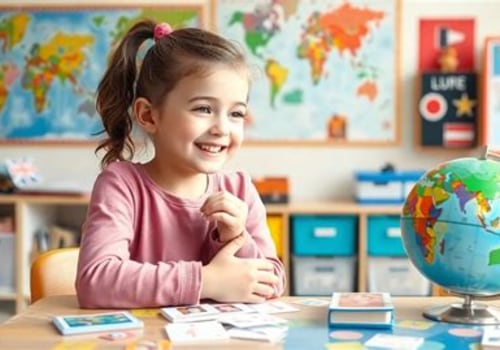
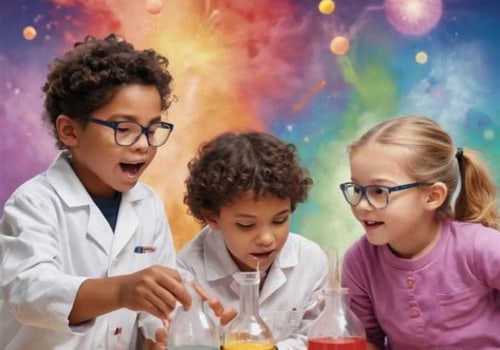
In an era where education is often perceived as a chore, the concept of fun learning for kids emerges as a transformative approach that can significantly enhance a child's educational experience. This innovative method not only makes learning enjoyable but also fosters a genuine love for knowledge. When children engage in activities that spark their interest and creativity, they are more likely to absorb information and retain it long-term. The importance of incorporating fun into education cannot be overstated; it is essential for nurturing curious minds and encouraging lifelong learning.Engaging learning methods, such as interactive games, hands-on projects, and creative storytelling, play a crucial role in this process.
These approaches cater to various learning styles, ensuring that every child can find joy in their educational journey. For instance, visual learners may thrive with colourful visuals and diagrams, while kinesthetic learners benefit from hands-on activities that allow them to explore concepts through movement. By recognising and embracing these diverse learning preferences, educators and parents can create an environment where children feel empowered to express themselves and take risks.Moreover, the social aspect of These approaches cater to various learning styles, ensuring that every child can find joy in their educational journey. For instance, visual learners may thrive with colourful visuals and diagrams, while kinesthetic learners benefit from hands-on activities that allow them to explore concepts through movement. By recognising and embracing these diverse learning preferences, educators and parents can create an environment where children feel empowered to express themselves and take risks.Moreover, the social aspect of fun learning for kids cannot be overlooked. Collaborative activities encourage teamwork and communication, helping children develop essential social skills that will serve them well throughout their lives.
As they work together on projects or engage in group discussions, they learn to appreciate different perspectives and build empathy towards their peers. Ultimately, prioritising fun in education transforms the often daunting task of learning into an exciting adventure, equipping children with the tools they need to thrive in an ever-changing world.
Understanding Different Learning Styles
Understanding how children learn is crucial for creating effective and fun learning for kids. Each child possesses a unique learning style, which influences how they absorb, process, and retain information. Recognising these styles allows parents and educators to tailor activities that resonate with each child's preferred method of learning, ultimately enhancing their educational experience.Visual Learners
Visual learners are those who grasp concepts more effectively when they can see them.They often respond well to diagrams, charts, and videos. To engage visual learners in a fun way, consider the following strategies:
- Use Colourful Visuals: Incorporate bright images, infographics, and colourful flashcards into lessons to capture their attention.
- Interactive Whiteboards: Utilise technology such as interactive whiteboards to create dynamic presentations that allow visual learners to participate actively.
- Art Projects: Encourage creativity through art projects that enable children to express their understanding visually, such as drawing or painting concepts they have learned.
Auditory Learners
Auditory learners thrive on listening and speaking. They often excel in discussions and enjoy storytelling. To make learning enjoyable for these children, consider the following approaches:- Songs and Rhymes: Incorporate music into lessons by using songs or rhymes that relate to the subject matter, making it easier for them to remember key concepts.
- Audiobooks: Use audiobooks or podcasts as supplementary materials to engage auditory learners in a format they enjoy.
- Group Discussions: Facilitate group activities that involve sharing ideas or participating in debates, allowing auditory learners to express themselves verbally.
Kinesthetic Learners
Kinesthetic learners are hands-on individuals who learn best through movement and touch.They may struggle with traditional classroom settings that require prolonged sitting. To engage these learners effectively, consider the following methods:
- Hands-On Activities: Incorporate activities that involve building, experimenting, or role-playing. For example, science experiments or outdoor scavenger hunts can turn lessons into exciting adventures.
- Movement Breaks: Allow for short breaks where children can move around or engage in physical activities related to the lesson.
- Real-World Applications: Create opportunities for kinesthetic learners to apply what they’ve learned in real-world scenarios, such as cooking to teach measurements or gardening to discuss biology.
Incorporating Play into Learning
Incorporating play into learning is a powerful strategy that transforms traditional educational methods into engaging and enjoyable experiences for children.Play-based learning not only captivates young minds but also enhances their cognitive, social, and emotional development. By integrating play into educational activities, children can explore concepts in a way that feels natural and exciting.
Benefits of Play-Based Learning
- Enhances Engagement: When learning is fun, children are more likely to participate actively. Play-based activities capture their attention and motivate them to explore new ideas.
- Encourages Creativity: Play allows children to express themselves freely, fostering creativity and innovative thinking. This is crucial for problem-solving and critical thinking skills.
- Promotes Social Skills: Group play encourages collaboration and communication among peers, helping children develop essential social skills such as empathy and teamwork.
- Facilitates Retention: Engaging in hands-on activities helps solidify knowledge, making it easier for children to remember what they have learned.
Examples of Educational Games and Activities
There are numerous ways to incorporate play into learning.
Here are some effective examples:
- Board Games: Classic games like Scrabble or Monopoly not only entertain but also enhance vocabulary, mathematical skills, and strategic thinking. These games encourage social interaction and can be adapted to various educational themes.
- Outdoor Learning Activities: Activities such as scavenger hunts can teach children about nature, science, or history while they explore their environment. This hands-on experience makes learning memorable and enjoyable.
- Role-Playing Games: Children can learn about different professions or historical events by acting them out. This immersive method helps them understand complex ideas through experiential learning.
- Interactive Apps: Many educational apps turn learning into a game format, offering quizzes and challenges that reward progress with points or badges.
Apps like Khan Academy Kids make subjects like math and reading engaging through interactive lessons.
- Coding Games: Introducing coding through games like LightBot or Scratch can make learning programming concepts fun. These platforms allow children to create their own games while developing logical thinking skills.
Utilising Technology for Fun Learning
In the modern educational landscape, technology has become an indispensable tool for enhancing fun learning for kids. With a myriad of educational apps and interactive tools available, children can engage with learning materials in ways that are both enjoyable and effective.This section delves into how technology can transform traditional learning experiences into dynamic adventures.
Educational Apps
- Interactive Learning: Educational apps like Khan Academy Kids and ABCmouse offer interactive lessons that cover a wide range of subjects, from mathematics to science. These apps often incorporate gamification elements, such as rewards and challenges, which motivate children to learn while having fun.
- Personalised Learning: Many apps adapt to a child’s individual learning pace, providing tailored content that meets their specific needs. This personalisation ensures that children remain engaged and challenged without feeling overwhelmed.
- Diverse Learning Styles: Educational apps cater to various learning preferences, whether visual, auditory, or kinesthetic. For instance, apps that include videos and animations are perfect for visual learners, while those with audio instructions benefit auditory learners.
Interactive Tools
- Smartboards and Tablets: In classrooms equipped with smartboards and tablets, lessons can become highly interactive.
Students can participate in activities directly on the board or through their devices, making learning more engaging.
- Virtual Reality (VR): VR technology offers immersive experiences that transport children to different environments or historical periods. For example, a VR field trip to ancient Rome can provide context for history lessons, making them more relatable and exciting.
- Augmented Reality (AR): AR applications can overlay digital information onto the real world. This technology can be used in subjects like science or geography, allowing children to visualise complex concepts in a tangible way.
The Power of Gamification
Gamification is a powerful strategy in educational technology that leverages game-like elements to enhance learning. By incorporating points, levels, and rewards into educational activities, children are more likely to stay motivated and engaged.
This approach not only makes learning enjoyable but also encourages persistence in overcoming challenges.In conclusion, utilising technology for fun learning for kids opens up a world of possibilities. By integrating educational apps and interactive tools into their learning routines, parents and educators can create an engaging environment that fosters curiosity and a love for knowledge.
Creative Arts and Crafts as Learning Tools
Integrating arts and crafts into educational activities can significantly enhance the learning experience for children. These creative pursuits not only allow kids to express themselves artistically but also help them grasp essential concepts across various subjects in a fun and engaging manner.Benefits of Arts and Crafts in Learning:
- Enhances Creativity: Engaging in arts and crafts encourages children to think outside the box, fostering their imagination and innovative thinking. This creative freedom can lead to unique solutions and ideas in other areas of study.
- Improves Motor Skills: Activities such as cutting, gluing, and painting help develop fine motor skills, which are crucial for tasks like writing and typing.
These skills are foundational for academic success.
- Encourages Problem-Solving: When faced with a creative challenge, children learn to devise solutions, enhancing their critical thinking abilities. This problem-solving mindset is invaluable in all aspects of life.
- Promotes Collaboration: Group projects in arts and crafts foster teamwork, teaching kids how to communicate and work effectively with others. This social interaction is vital for developing interpersonal skills.
Hands-On Learning Experiences:
Incorporating hands-on experiences into lessons can significantly boost engagement. For instance, a science lesson on plant growth can be transformed into a fun activity where children create their own mini-gardens using recycled materials.
This not only reinforces scientific concepts but also allows them to express their creativity.
Creative Project Ideas:
- Story Stones: Children can paint stones with different characters or objects from a story, which they can then use to retell the tale, enhancing their storytelling skills and comprehension.
- DIY Science Experiments: Simple experiments like making slime or volcanoes can be turned into art projects by allowing kids to decorate their creations, merging science with creativity.
- Cultural Crafts: Exploring different cultures through crafts—such as making origami or weaving—can provide a rich context for learning about history and geography while celebrating diversity.
Outdoor Learning Adventures
Outdoor learning adventures provide a unique and enriching way to engage children in their education while connecting them with the natural world. This approach to nature-based learning not only makes lessons more enjoyable but also fosters a sense of curiosity and respect for the environment. By stepping outside the traditional classroom, children can experience hands-on learning that enhances their understanding of various subjects.Here are some exciting outdoor activities that promote experiential learning:- Nature Scavenger Hunts: Create a list of items for children to find in a local park or garden.
This activity encourages observation skills and teaches them about local flora and fauna. For example, they might look for specific leaves, flowers, or insects, which can lead to discussions about ecosystems and biodiversity.
- Gardening Projects: Involve kids in planting and maintaining a garden. This hands-on experience teaches them about biology, ecology, and the importance of sustainability. Children can learn about plant life cycles, soil health, and even the nutritional value of the fruits and vegetables they grow.
- Outdoor Science Experiments: Conduct simple experiments using natural materials.
For instance, creating a volcano with baking soda and vinegar or observing insects in their habitat can make science come alive. These activities not only reinforce scientific concepts but also encourage critical thinking as children hypothesise and test their ideas.
- Storytelling in Nature: Encourage children to create stories inspired by their surroundings. This can enhance their creativity and improve language skills. They might observe a tree or a stream and weave a tale around it, integrating elements of nature into their narratives.
- Wildlife Observation: Organise trips to observe animals in their natural habitats.
This could involve visiting a local wildlife reserve or simply watching birds in the backyard. Such experiences teach children about animal behaviour and conservation efforts.
Encouraging Social Interaction Through Group Activities
Social interaction plays a crucial role in the learning process, particularly for children. Engaging in group activities not only enhances academic skills but also fosters essential social skills development.When children collaborate with their peers, they learn to communicate effectively, share ideas, and work towards common goals. This collaborative environment is vital for nurturing teamwork in education.Group learning activities can take many forms, each designed to promote interaction and cooperation among children. Here are some effective strategies:
- Team Projects: Assigning group projects allows children to explore topics of interest together. For instance, creating a presentation or a poster on a subject can encourage them to divide tasks based on individual strengths, fostering a sense of responsibility and teamwork.
- Interactive Games: Games that require teamwork, such as scavenger hunts or relay races, can make learning enjoyable while promoting physical activity and cooperation.
These games not only teach academic concepts but also enhance social interaction.
- Storytelling Circles: In this activity, children take turns contributing to a story. Each child adds a sentence or idea, which fosters creativity and collaboration. This method encourages them to listen actively and build on each other's contributions.
- Science Experiments: Conducting experiments in small groups can be both educational and fun. Children can hypothesise, test their ideas, and discuss their findings together, enhancing their critical thinking and problem-solving skills.
As they navigate group dynamics, they learn to respect diverse opinions and develop empathy towards their peers. This social aspect of learning is essential for building confidence and resilience.Ultimately, prioritising social interaction through group activities creates a dynamic atmosphere where children thrive both socially and academically. By fostering collaboration in education, we prepare them for future challenges in an increasingly interconnected world.
Parental Involvement in Fun Learning
Parental involvement is a cornerstone of effective education, particularly when it comes to fostering fun learning for kids. When parents actively engage in their children's educational journey, they not only enhance the learning experience but also strengthen the bond between parent and child.Here are several practical strategies that parents can implement to create a supportive and enriching learning environment at home.
Creating a Learning-Friendly Environment
Establishing a dedicated space for learning can significantly impact a child's motivation and focus. This area should be:- Free from Distractions: Choose a quiet location where children can concentrate without interruptions from television or mobile devices.
- Well-Equipped: Stock the space with educational materials such as books, art supplies, and games that promote learning through play.
- Inviting: Make the area visually appealing with colourful decorations or inspiring quotes to stimulate creativity and enthusiasm.
Participating in Learning Activities
Active participation in your child's learning activities can make education more enjoyable. Here are some ways to get involved:- Read Together: Set aside time each day to read with your child. This not only improves literacy skills but also fosters a love for stories and imagination.
- Conduct Experiments: Engage in simple science experiments at home.
For example, creating a baking soda volcano can be both educational and entertaining.
- Play Educational Games: Board games or online educational games can make learning fun while developing critical thinking skills.
Encouraging Curiosity and Exploration
Fostering a sense of curiosity is essential for fun learning. Encourage your children to ask questions and explore new topics by:- Using Everyday Situations: Turn daily activities into learning opportunities, such as cooking to teach measurements or shopping to discuss budgeting.
- Exploring Nature: Organise outdoor activities like nature walks or visits to local parks, where children can learn about the environment firsthand.
Setting Learning Goals Together
Involving children in setting achievable learning goals can empower them and enhance their motivation. Discuss what they want to learn and help them break down larger goals into manageable tasks. This approach not only gives them ownership over their education but also instills a sense of accomplishment as they achieve these goals.Celebrating Achievements
Acknowledge and celebrate your child's successes, no matter how small.Positive reinforcement boosts confidence and encourages them to continue exploring new ideas. Simple gestures like verbal praise or small rewards can make a significant difference in their motivation to learn.By actively participating in their children's education, parents can create an enriching atmosphere that promotes fun learning for kids. This involvement not only enhances academic performance but also instils a lifelong love of knowledge, setting the foundation for future success.
FAQs About Fun Learning for Kids
When it comes to fun learning for kids, parents and educators often have numerous questions. Below are some of the most frequently asked questions regarding how to effectively engage children in their educational journey.What are some effective ways to make learning fun?
- Incorporate Games: Educational games can transform mundane lessons into exciting challenges.
Look for games that promote critical thinking and problem-solving skills.
- Hands-On Activities: Engage children with crafts, experiments, or building projects that relate to the subject matter. This tactile approach helps solidify concepts.
- Interactive Technology: Leverage educational apps and online resources that offer interactive learning experiences. These tools can make complex subjects more accessible and enjoyable.
- Storytelling: Use stories to teach concepts, making lessons relatable and memorable. This method can enhance comprehension and retention.
How can I keep my child motivated to learn?
- Set Achievable Goals: Break down tasks into smaller, manageable goals.
This approach helps children feel a sense of accomplishment as they progress.
- Provide Positive Reinforcement: Celebrate successes, no matter how small. This encouragement boosts confidence and motivates continued effort.
- Create a Supportive Environment: Ensure that your child feels safe and supported in their learning journey. A nurturing atmosphere fosters curiosity and exploration.
What role does play have in learning?
Play is an essential component of childhood development and significantly enhances the learning process. Through play, children develop critical social skills, creativity, and problem-solving abilities.Incorporating play into educational activities leads to deeper understanding and retention of knowledge. It allows children to explore concepts in a relaxed setting, making learning feel less like a chore and more like an adventure.In conclusion, making learning fun for kids involves creativity, engagement, and a supportive environment. By addressing these common questions and implementing effective strategies, parents and educators can foster a love for learning that lasts a lifetime.
Conclusion: Embracing Fun Learning Strategies
In summary, the integration of fun learning for kids is essential in shaping a positive educational experience that not only enhances academic performance but also nurtures a lifelong passion for knowledge. Throughout this article, we have explored various strategies and methods that can transform traditional learning into an engaging adventure.By understanding different learning styles, we can tailor educational approaches to meet the unique needs of each child.Whether they are visual, auditory, or kinesthetic learners, incorporating diverse techniques ensures that every child can thrive in their learning environment.Moreover, the incorporation of play into learning is a powerful tool. Play-based activities not only make education enjoyable but also promote critical thinking, creativity, and social skills. From board games to outdoor adventures, these experiences allow children to explore concepts in a hands-on manner, making lessons more memorable.Utilising technology further enhances the fun learning experience. With a wealth of educational apps and interactive tools available, children can engage with content in innovative ways that capture their interest and imagination.
This digital engagement complements traditional methods and prepares them for a technology-driven future.Additionally, creative arts and crafts serve as effective learning tools that foster creativity while reinforcing academic concepts. These activities encourage children to express themselves and develop problem-solving skills through hands-on experiences.Finally, parental involvement plays a crucial role in promoting fun learning. By actively participating in their children's education and creating a supportive environment, parents can significantly enhance their child's motivation and engagement.In conclusion, embracing fun learning strategies is not merely about making education enjoyable; it is about cultivating an environment where children feel empowered to explore, question, and grow. By prioritising fun in education, we equip our children with the skills they need to navigate an ever-changing world while instilling a love for learning that lasts a lifetime.