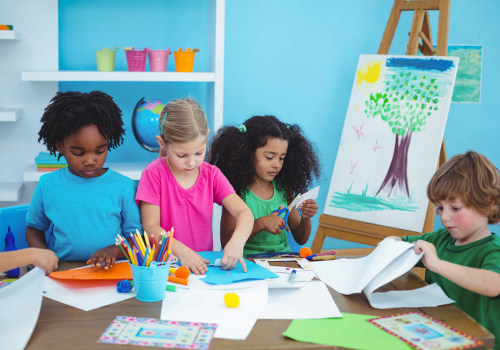
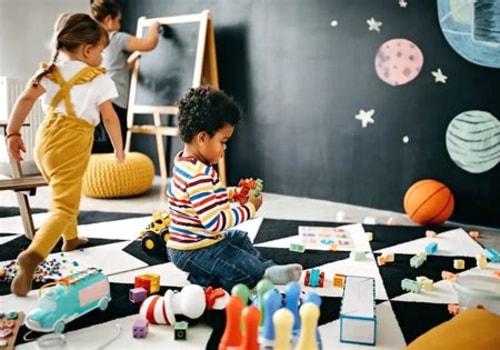
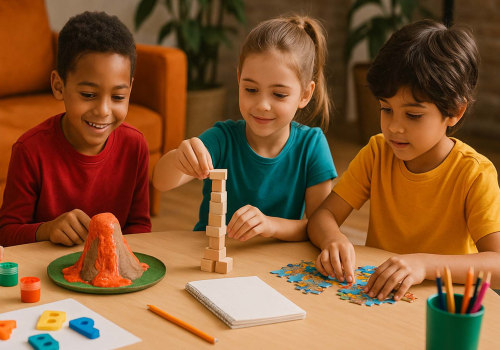
In an era where educational paradigms are rapidly evolving, the significance of fun learning for kids has become increasingly apparent. Traditional teaching methods often rely on rote memorisation and standardised testing, which can lead to disengagement and a lack of enthusiasm among young learners. Children thrive in environments that stimulate their curiosity and creativity, making it essential to explore innovative approaches that captivate their attention. One such approach is the incorporation of music into educational practices, which not only makes learning enjoyable but also enhances cognitive development.Music has a remarkable ability to engage children on multiple levels. has become increasingly apparent. Traditional teaching methods often rely on rote memorisation and standardised testing, which can lead to disengagement and a lack of enthusiasm among young learners. Children thrive in environments that stimulate their curiosity and creativity, making it essential to explore innovative approaches that captivate their attention. One such approach is the incorporation of music into educational practices, which not only makes learning enjoyable but also enhances cognitive development.Music has a remarkable ability to engage children on multiple levels.
It taps into their emotions, encourages self-expression, and fosters social interaction. When children learn through music, they are more likely to retain information and develop a genuine interest in the subject matter. This is particularly important in a world where distractions abound; music can serve as a powerful tool to draw children back into the learning process. By integrating melodies, rhythms, and songs into lessons, educators can create a dynamic atmosphere that promotes active participation and collaboration.The benefits of incorporating music into education extend beyond mere enjoyment.
Research indicates that musical engagement can improve memory retention, enhance problem-solving skills, and boost overall academic performance. For instance, children who learn mathematical concepts through songs often find it easier to grasp complex ideas compared to those who rely solely on traditional methods. Furthermore, music caters to various learning styles, ensuring that every child has the opportunity to succeed in their educational journey.As we delve deeper into the world of fun learning for kids, it becomes clear that embracing music as an educational tool is not just beneficial but essential. By fostering an environment where learning is synonymous with joy and creativity, we can inspire a new generation of learners who are eager to explore the world around them.Research indicates that musical engagement can improve memory retention, enhance problem-solving skills, and boost overall academic performance. For instance, children who learn mathematical concepts through songs often find it easier to grasp complex ideas compared to those who rely solely on traditional methods. Furthermore, music caters to various learning styles, ensuring that every child has the opportunity to succeed in their educational journey.As we delve deeper into the world of fun learning for kids, it becomes clear that embracing music as an educational tool is not just beneficial but essential. By fostering an environment where learning is synonymous with joy and creativity, we can inspire a new generation of learners who are eager to explore the world around them.
How Music Enhances Cognitive Development
Incorporating music into educational practices has profound implications for cognitive development in children.Numerous studies have demonstrated that engaging with music can significantly enhance various cognitive skills, including memory retention, attention spans, and problem-solving abilities. These skills are essential for effective learning and can be nurtured through musical activities.
Memory Retention
One of the most notable benefits of music is its ability to improve memory. Research indicates that melodies and rhythms can create strong associations in the brain, making it easier for children to recall information. For example, children often find it easier to remember the lyrics of a song than to memorise facts from a textbook.
This phenomenon occurs because music engages multiple areas of the brain, reinforcing memory pathways.Educational songs that incorporate catchy tunes and repetitive phrases can be particularly effective. For instance, songs that teach the alphabet or numbers not only make learning enjoyable but also help solidify these concepts in a child's memory. By using music as a mnemonic device, parents and educators can enhance children's ability to retain information long-term.
Improved Attention Span
Participating in musical activities requires focus and concentration, which can lead to improved attention spans in other learning environments. Children who engage with music often develop better listening skills, allowing them to absorb information more effectively during lessons.
Studies have shown that children exposed to music education demonstrate greater attentiveness in class compared to their peers who do not participate in musical activities.Moreover, rhythm-based activities, such as clapping or dancing to a beat while reciting information, can help maintain children's interest and engagement. This dynamic approach not only makes learning more interactive but also reinforces the material being taught.
Enhanced Problem-Solving Skills
Music encourages creativity and critical thinking, both of which are vital for effective problem-solving. When children learn to play an instrument or compose their own songs, they encounter challenges that require innovative solutions. This process fosters a mindset open to exploration and discovery.For example, when faced with the task of creating a melody or harmonising with others, children must think critically about how different notes interact and how to express their ideas musically.
Such experiences cultivate resilience and adaptability—traits essential for overcoming obstacles in academic settings and beyond.In conclusion, integrating music into educational practices not only makes learning enjoyable but also lays a strong foundation for cognitive development. By harnessing the power of music, educators and parents can create enriching environments that promote essential skills for lifelong learning.
Engaging Learning Activities with Music
Incorporating music into educational activities can transform the learning experience for children, making it both enjoyable and effective. Here are some engaging activities that parents and educators can easily implement to foster fun learning for kids through music:- Musical Storytelling: Combine the art of storytelling with music by selecting a favourite tale and creating a soundtrack that reflects the emotions and actions within the narrative. Children can participate by choosing instruments or sound effects to enhance the story, allowing them to engage their imagination while developing listening skills.
- Rhythm and Movement: Use clapping, tapping, or dancing to teach rhythm.
For example, create a simple song that includes counting or spelling, encouraging children to clap along to the beat as they learn. This not only reinforces their understanding but also helps develop their motor skills.
- Songwriting Sessions: Encourage kids to write their own songs about subjects they are learning. This could range from science facts to historical events. Not only does this reinforce their knowledge, but it also fosters creativity and self-expression.
- Interactive Music Games: Incorporate games like "musical chairs" with an educational twist.
For instance, place flashcards with vocabulary words on chairs; when the music stops, children must pick a card and use the word in a sentence. This adds an element of fun while reinforcing language skills.
- Instrument Exploration: Introduce various musical instruments and discuss their origins, sounds, and roles in different cultures. This can be tied into lessons about geography or history, making learning more dynamic and culturally enriching.
The key is to create an environment where music is a natural part of the learning process, allowing children to explore concepts in a fun and engaging way.
Using Songs to Teach Core Subjects
Incorporating songs into the teaching of core subjects can revolutionise the way children engage with learning. By using music as a tool, educators can simplify complex concepts, making them more accessible and enjoyable for young learners. Here’s how songs can be effectively used in teaching math, science, and language arts.Teaching Math with Music
Music is an excellent medium for teaching mathematical concepts, as it naturally incorporates rhythm and patterns. For example, songs that involve counting can help children grasp basic arithmetic operations.Educational songs like "Five Little Ducks" or "The Ants Go Marching" not only make counting fun but also reinforce number recognition and sequencing skills.Additionally, rhythmic patterns can be used to teach multiplication tables. For instance, creating a catchy tune that includes multiplication facts allows children to memorise these facts more easily. The repetitive nature of music aids in retention, transforming what could be a tedious task into an engaging activity.
Science Songs for Kids
When it comes to science education, songs can break down complex ideas into digestible pieces. For example, songs about the water cycle or the solar system can make these topics more relatable and easier to understand.A popular choice is "The Water Cycle Song," which simplifies the stages of evaporation, condensation, and precipitation through catchy lyrics.Moreover, resources like Jack Hartmann's YouTube channel offer a plethora of science-themed songs that cover various topics such as biology and physics. These songs not only entertain but also provide a memorable way for children to learn essential scientific concepts.
Language Arts Through Music
Songs are particularly effective in enhancing literacy skills. They can improve vocabulary, pronunciation, and comprehension in a fun way. For instance, nursery rhymes and songs with repetitive phrases help children learn new words in context.Using popular children's songs to teach grammar or storytelling can ignite creativity and encourage self-expression.Resources like Songs for Teaching provide an extensive library of educational songs tailored for various language arts topics. By integrating music into language lessons, educators can create a dynamic learning environment that fosters a love for reading and writing.In conclusion, using songs to teach core subjects not only makes learning enjoyable but also enhances retention and understanding. By leveraging the power of music in education, we can create engaging experiences that resonate with young learners across various disciplines.
The Role of Rhythm and Movement in Learning
Integrating rhythm and movement into the learning process can significantly enhance the educational experience, particularly for children who are kinesthetic learners. These learners thrive on physical activity and often find it easier to grasp concepts when they can engage their bodies alongside their minds.By incorporating rhythm and movement into educational activities, we can create a dynamic learning environment that caters to diverse learning styles.
Rhythm in Education
Rhythm serves as a powerful tool in education, facilitating memory retention and understanding. For example, using rhythmic patterns in songs or chants can help children remember essential facts, such as multiplication tables or historical dates. The repetitive nature of rhythm makes information more accessible and enjoyable, transforming mundane learning into a fun and engaging activity.
Benefits of Movement in Learning
- Enhances Focus: Incorporating movement breaks during lessons can help children refocus their attention, making them more receptive to new information. Activities like stretching or dancing can refresh their minds and prepare them for further learning.
- Boosts Creativity: Combining music with movement encourages creative expression.
When children dance or move to a beat, they explore concepts in innovative ways, allowing for a deeper understanding of the material.
- Improves Social Skills: Group activities involving rhythm and movement foster teamwork and communication among peers. Collaborative musical games or dance routines require children to work together, enhancing their social interactions.
Kinesthetic Learning Activities
To effectively incorporate rhythm and movement into learning, consider implementing the following kinesthetic activities:
- Musical Chairs with a Twist: Instead of simply removing chairs, place educational questions or vocabulary words on each chair. When the music stops, children must answer the question or use the word in a sentence before they can sit down.
- Dancing Math: Create dance moves that correspond to mathematical operations. For instance, each time a child performs a specific move, they could add or subtract numbers, reinforcing their math skills through physical activity.
- Rhythmic Storytelling: Encourage children to tell stories using rhythmic patterns.
They can clap or tap out the rhythm of the story as they narrate it, making the experience more interactive and memorable.
Creating a Musical Learning Environment at Home
Creating a musical environment at home can significantly enhance your child's learning experience, making education both enjoyable and effective. Here are some practical strategies to help you incorporate music into your daily life:- Designate a Music Corner: Set up a specific area in your home dedicated to music. This could include a variety of musical instruments, books about music, and art supplies.
A music corner encourages children to explore their creativity and engage with music in a hands-on way.
- Incorporate Music into Daily Routines: Use catchy songs to teach daily tasks, such as brushing teeth or tidying up. Creating simple tunes for these activities can make them more enjoyable and memorable for your child.
- Play Educational Songs: Select songs that teach fundamental concepts like the alphabet, numbers, or even foreign languages. Many educational songs are available online that can transform learning into a fun and interactive experience.
- Encourage Movement: Combine music with physical activity. Dancing or moving to the rhythm of a song can help children develop motor skills while having fun.
This not only makes learning enjoyable but also promotes physical health.
- Host Family Jam Sessions: Make music together as a family. Whether it’s singing, playing instruments, or clapping along, these sessions foster bonding and create a joyful atmosphere for learning. Encourage each family member to contribute their favourite songs or instruments.
Remember to be patient and encouraging; celebrate your child's musical achievements, no matter how small, to build their confidence and enthusiasm for learning through music.By creating a rich musical environment at home, you not only support your child's educational journey but also instil a lifelong love for music that can enhance their overall development.
FAQs About Music and Learning for Kids
Incorporating music into children's education raises several important questions for parents. Understanding the benefits and practicalities of music education can help alleviate concerns and encourage a more enriching learning experience. Here are some frequently asked questions regarding music and its role in learning for kids:What are the benefits of music in childhood education?
Music education offers a multitude of advantages that extend beyond mere enjoyment. Some key benefits include:- Cognitive Development: Engaging with music enhances various cognitive skills, including memory, attention, and problem-solving abilities.
These skills are essential for effective learning across all subjects.
- Language Skills: Music can significantly aid in language development. Exposure to songs helps children improve their vocabulary, pronunciation, and comprehension through rhythmic patterns and repetition.
- Social Skills: Participating in musical activities fosters teamwork and communication among peers, helping children develop essential social skills.
- Emotional Expression: Music provides a creative outlet for children to express their feelings, which is crucial for emotional well-being.
At what age should my child start learning music?
Children can begin their musical journey at a very young age. Here are some guidelines:- Infancy: Even infants can benefit from exposure to music. Singing lullabies or playing gentle tunes can stimulate their auditory senses.
- Preschool Age (3-5 years): This is an ideal time for informal musical activities such as singing simple songs, clapping rhythms, or exploring instruments.
- Formal Lessons (5-7 years): Many children are ready to start formal music lessons around this age.
Instruments like the piano or violin are popular choices for beginners.
What types of music are best for learning?
The type of music used in educational settings can greatly influence its effectiveness. Here are some recommendations:- Classical Music: Often associated with improved concentration, classical pieces can create a calm environment conducive to learning.
- Educational Songs: Songs specifically designed to teach concepts—such as the alphabet, numbers, or science facts—are highly effective in making learning enjoyable.
- Interactive Music: Engaging songs that encourage participation, such as call-and-response or movement-based tunes, can enhance the learning experience by making it more dynamic.
Conclusion: The Future of Fun Learning with Music
As we reflect on the integration of music into educational practices, it becomes increasingly clear that the future of education must embrace fun learning for kids as a fundamental approach. The benefits of incorporating music into teaching methods extend far beyond mere enjoyment; they encompass cognitive, emotional, and social development, all of which are crucial for nurturing well-rounded individuals.The importance of fun learning for kids cannot be overstated.In an era where traditional educational methods often fall short in engaging young minds, music offers a refreshing alternative that captivates attention and fosters enthusiasm. By making learning enjoyable, we not only enhance retention but also cultivate a genuine love for knowledge that can last a lifetime.Looking ahead, the potential for integrating music into educational frameworks is vast. As technology continues to evolve, so too do the opportunities for innovative teaching methods. Digital platforms can facilitate interactive musical experiences that cater to diverse learning styles, allowing children to engage with content in ways that resonate with them personally.
For instance, apps that combine music with educational games can make complex subjects more accessible and enjoyable.Moreover, the role of educators will be pivotal in shaping this future. Teachers who embrace music as a core component of their curriculum can create dynamic learning environments that encourage creativity and collaboration. By incorporating musical elements into lessons across various subjects—be it through songwriting, rhythm exercises, or musical storytelling—educators can transform traditional classrooms into vibrant spaces where children thrive.In conclusion, the integration of music into education is not merely an enhancement; it is essential for fostering an engaging and effective learning experience. As we move forward, prioritising fun learning for kids will ensure that future generations are not only knowledgeable but also passionate about their educational journeys.
By embracing the power of music in teaching methods, we can create a brighter future where children are inspired to explore, create, and learn with joy.