In the ever-evolving landscape of education, the concept of fun learning for kids has emerged as a pivotal approach that reshapes how children engage with knowledge. Gone are the days when learning was perceived as a tedious task confined to textbooks and classrooms. Today, educators and parents alike recognise that integrating enjoyment into the educational process not only captivates children's attention but also significantly enhances their ability to retain information. By transforming traditional learning methods into interactive and playful experiences, we can cultivate a genuine love for education that lasts a lifetime.The significance of fun learning extends beyond mere entertainment; it plays a crucial role in developing essential skills that children will carry with them throughout their lives.
Educational games, for instance, foster critical thinking, creativity, and problem-solving abilities while promoting social interaction among peers. When children participate in engaging activities, they are encouraged to explore new concepts in a safe environment, which boosts their confidence and independence. This dynamic approach to learning not only makes education enjoyable but also equips children with the tools they need to navigate challenges both in and out of the classroom.Moreover, research has consistently shown that children who engage in Educational games, for instance, foster critical thinking, creativity, and problem-solving abilities while promoting social interaction among peers. When children participate in engaging activities, they are encouraged to explore new concepts in a safe environment, which boosts their confidence and independence. This dynamic approach to learning not only makes education enjoyable but also equips children with the tools they need to navigate challenges both in and out of the classroom.Moreover, research has consistently shown that children who engage in educational games demonstrate improved cognitive abilities and emotional well-being. The interactive nature of these games caters to various learning styles, ensuring that every child can find an avenue that resonates with them.
As they tackle challenges within these playful contexts, they learn resilience and adaptability—skills that are invaluable in today’s fast-paced world. Ultimately, embracing the concept of fun learning for kids is not just about making education enjoyable; it is about laying the groundwork for lifelong success and fostering a generation of curious, confident learners.
Types of Educational Games for Kids
When exploring the realm of fun learning for kids, it is essential to recognise the various types of educational games available. Each category offers unique advantages that cater to different learning styles and interests, making it easier for parents to select the most suitable options for their children. Below are some prominent categories of educational games:- Board Games: These timeless classics provide a perfect blend of strategy and fun.
Games like Scrabble enhance vocabulary and spelling, while Monopoly teaches financial literacy and critical thinking. Board games encourage family interaction and can be a great way to bond while learning.
- Online Games: With the digital age in full swing, numerous platforms offer interactive educational games that cover subjects such as math, science, and language arts. Websites like Kahoot! and ABCmouse provide engaging quizzes and challenges that make learning enjoyable and accessible from home.
- Outdoor Activities: Learning can extend beyond traditional settings. Outdoor games like scavenger hunts or nature walks not only promote physical activity but also teach children about their environment.
Incorporating elements of science or geography into these activities enhances their educational value.
- Puzzles and Brain Teasers: These games stimulate critical thinking and problem-solving skills. Jigsaw puzzles, Sudoku, and logic puzzles are excellent for developing cognitive abilities while providing hours of entertainment. They encourage children to think creatively and analytically.
- Role-Playing Games: Engaging in role-playing allows children to develop social skills and empathy. By assuming different characters, kids learn to navigate various social situations, enhancing their emotional intelligence and understanding of diverse perspectives.
By incorporating a variety of these options into playtime, you can ensure that your child enjoys fun learning experiencesfun learning experiences that foster growth and development.
Top Educational Board Games for Kids
When it comes to fun learning for kids, educational board games stand out as a fantastic way to blend enjoyment with education. These games not only entertain but also provide valuable learning experiences across various subjects. Here are some of the best educational board games that can make learning an engaging adventure for children:- Scrabble: This timeless classic is perfect for enhancing vocabulary and spelling skills. Players create words on the board using letter tiles, earning points based on the complexity and length of the words.
Scrabble encourages critical thinking and strategic planning, making it a favourite among families. It also introduces children to new words, expanding their language skills in a fun way.
- Ticket to Ride: A brilliant game for teaching geography and strategic thinking, players collect train cards to claim railway routes across a map. As they build their routes, children learn about different cities and countries, making it both educational and engaging. This game fosters planning skills and spatial awareness while providing a competitive edge that keeps players motivated.
- Blokus: This spatial reasoning game challenges players to fit their pieces onto the board while blocking opponents.
It promotes critical thinking and problem-solving skills, making it a great choice for developing logical reasoning in young minds. Blokus encourages players to think ahead and strategise, enhancing their cognitive abilities.
- Math Dice Jr.: A fun way to practice math skills, this game involves rolling dice and using basic arithmetic to reach target numbers. Suitable for younger children, it helps reinforce addition and subtraction in an enjoyable format. The game’s competitive nature motivates kids to improve their math skills while having fun.
- Catan Junior: A simplified version of the popular game Settlers of Catan, this board game introduces children to resource management and trading.
Players build their own pirate lairs while learning about strategy and negotiation. Catan Junior teaches kids about economics in a playful setting, making complex concepts accessible.
Interactive Online Learning Games
In the digital age, interactive online learning games have emerged as a powerful tool for enhancing children's educational experiences. These platforms not only make learning enjoyable but also cater to a wide range of subjects and age groups, ensuring that every child can find something that captivates their interest.One of the most popular platforms is Kahoot! , which allows educators and parents to create engaging quizzes and games that children can participate in real-time.The competitive aspect of Kahoot! encourages kids to engage with the material actively, transforming traditional learning into an exciting challenge. This platform is particularly effective for reinforcing knowledge in subjects like history, science, and mathematics.Another excellent resource is ABCmouse , designed for children aged 2-8.This comprehensive platform offers a structured curriculum that covers various subjects, including reading, math, and art. Through interactive games and activities, ABCmouse provides a fun way for young learners to develop foundational skills while enjoying the process.
Prodigy Math
stands out as a fantastic option for children who may find mathematics challenging. This game turns math practice into an adventure where kids solve problems to progress through levels and earn rewards.
The engaging storyline and interactive gameplay keep children motivated while they learn essential math concepts.For older children interested in technology, Code.org offers interactive coding games that introduce programming fundamentals in an enjoyable manner. As technology becomes increasingly integral to education, these digital learning tools equip kids with valuable skills that will serve them well in the future.Additionally, websites like National Geographic Kids and Funbrain provide a plethora of interactive learning games covering various subjects from science to history. These resources not only entertain but also educate, making them ideal for parents looking to supplement their child's learning at home.In conclusion, the availability of digital learning tools for kids has revolutionised how children engage with educational content. By incorporating these interactive online games into their daily routines, parents can foster a love for learning while ensuring their children develop essential skills in a fun and engaging manner.
Outdoor Educational Games and Activities
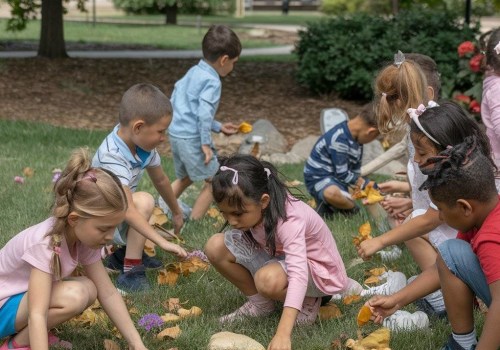
Engaging children in outdoor educational games not only promotes physical activity but also enhances their learning experience through fun and interactive methods.These activities allow kids to explore the world around them while developing essential skills. Here are some exciting outdoor educational games that combine play with learning:
- Nature Scavenger Hunt: Create a list of items for children to find in a park or garden, such as specific leaves, rocks, or insects. This activity encourages observation skills and teaches them about biodiversity. You can enhance the experience by including educational facts about each item on the list.
- Obstacle Course: Set up an obstacle course using cones, ropes, and other materials.
Children can learn about teamwork and problem-solving as they navigate the course while improving their physical fitness. Incorporate challenges that require them to answer questions related to their studies at each station.
- Outdoor Math Games: Use chalk to create number lines or shapes on the ground. Kids can hop from number to number or trace shapes, making math concepts more tangible and enjoyable. This hands-on approach helps reinforce their understanding of mathematical principles.
- Storytelling Circle: Gather children in a circle outdoors and encourage them to create a story together.
This activity fosters creativity and enhances their verbal skills while enjoying the fresh air. You can introduce prompts or themes to guide their storytelling process.
- Gardening Projects: Involve kids in planting flowers or vegetables. This hands-on experience teaches them about biology, responsibility, and the importance of nature. As they care for their plants, they learn valuable lessons about growth cycles and environmental stewardship.
By incorporating these games into their routine, parents can ensure that their children are developing essential skills while enjoying the great outdoors.
DIY Educational Games You Can Create at Home
Creating DIY educational games at home is an excellent way to engage children in fun learning while also nurturing their creativity and resourcefulness. These homemade activities not only provide entertainment but also enhance various skills, making learning a delightful experience. Here are some innovative ideas that you can easily implement using materials you likely already have around the house.1.Homemade Board Games
Transform a simple piece of cardboard into a custom board game tailored to your child's interests. Design a path with various challenges or questions related to subjects like maths, science, or spelling.Players can advance by answering questions correctly, making it both fun and educational. You can even incorporate themes from your child's favourite books or movies to make it more engaging.
2.Memory Match Game
Create a memory match game using old greeting cards or printed images. Cut them into pairs and place them face down. Children take turns flipping two cards at a time, trying to find matching pairs.This game helps improve memory and cognitive skills while allowing for endless variations based on themes like animals, numbers, or vocabulary.
3.Scavenger Hunt
Organise a scavenger hunt around your home or garden. Create clues that require children to solve riddles or complete tasks related to their studies, such as finding items that start with a certain letter or counting objects. This activity encourages critical thinking and problem-solving while keeping them active and engaged.4.DIY Puzzles
Use old magazines or print out pictures and cut them into puzzle pieces. Children can enjoy putting the puzzles together while discussing the images, which enhances their comprehension and critical thinking skills.You can even create themed puzzles based on what they are currently learning in school.
5.Story Cubes
Take some dice and write different words or images on each side. Children can roll the dice and create stories based on the outcomes, promoting creativity and language skills. This activity not only sparks imagination but also helps improve their narrative abilities.These homemade learning activities not only provide entertainment but also encourage children to think critically and creatively. By involving them in the creation process, you enhance their engagement and make learning a more enjoyable experience.Remember, the key to successful creative learning games for kids is to keep it fun and interactive, tailoring these activities to suit your child's interests and educational needs.
Frequently Asked Questions About Educational Games
When it comes to educational games for children, parents often have numerous questions. Understanding these games can help you make informed choices that enhance your child's learning experience. Below are some of the most frequently asked questions regarding fun learning for kids.What are educational games?
Educational games are specifically designed to teach children various skills while they engage in play. These games can cover a wide array of subjects, including mathematics, language arts, science, and social studies.By incorporating elements of fun and competition, educational games aim to make learning enjoyable and effective.
How do educational games benefit my child?
- Enhance cognitive skills: Many educational games promote critical thinking, problem-solving, and decision-making abilities.
- Improve social skills: Multiplayer games encourage teamwork and communication among peers, fostering social interaction.
- Boost motivation: The interactive nature of these games can significantly increase a child's enthusiasm for learning.
- Support different learning styles: Educational games cater to visual, auditory, and kinesthetic learners, making them versatile tools for education.
Are all educational games suitable for my child?
No, not every educational game is appropriate for every child. It's crucial to consider your child's age, interests, and specific learning needs when selecting a game. Look for options that align with their current curriculum or areas where they may require additional support.How can I incorporate educational games into my child's routine?
You can seamlessly integrate fun learning into your child's daily life by:- Setting aside dedicated times for game play during the week.
- Using educational games as rewards for completing homework or chores.
- Encouraging family game nights that include educational options.
Conclusion: Making Learning Fun and Engaging for Kids
In summary, the journey of making learning enjoyable for children is not just a trend; it is a vital component of their overall development.The benefits of fun learning for kids are manifold, encompassing cognitive, social, and emotional growth. By integrating educational games into their daily routines, parents can create an environment that fosters curiosity and a love for knowledge.Engaging children in educational activities transforms the learning process from a mundane task into an exciting adventure. When children are actively involved in their education through games, they are more likely to retain information and develop critical thinking skills. This interactive approach not only enhances their academic performance but also builds confidence and resilience as they navigate challenges within these playful contexts.Moreover, the importance of engaging kids in education cannot be overstated.
Children who find joy in learning are more inclined to explore new subjects and ideas, leading to a lifelong passion for knowledge. Educational games serve as a bridge between play and learning, allowing children to absorb complex concepts in a fun and relatable manner.As we conclude this exploration of educational games, it is essential to remember that variety is key. Incorporating a diverse range of games—whether they are board games, online platforms, or outdoor activities—ensures that children remain engaged and motivated. Additionally, involving the whole family in these activities can strengthen bonds and create shared experiences that enrich the learning process.Ultimately, by embracing the concept of fun learning for kids, we can help shape well-rounded individuals who are prepared to face future challenges with confidence and creativity.
We encourage parents to take an active role in their children's education by exploring various educational games that align with their interests and learning needs. The journey of learning should be as thrilling as the knowledge gained along the way.