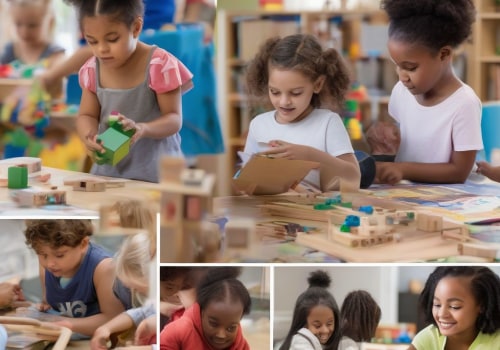
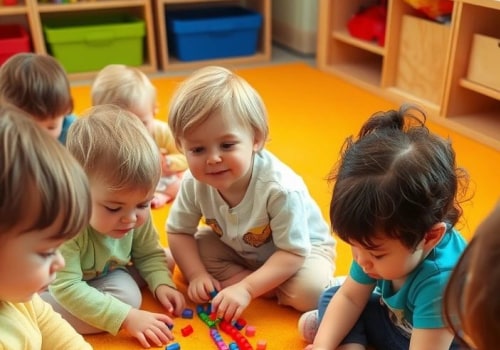
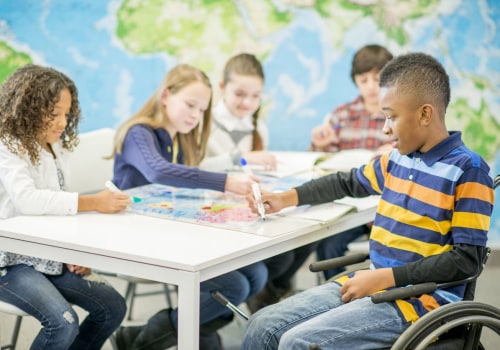
In today’s rapidly evolving educational landscape, the importance of involving children in their own learning decisions cannot be overstated. This approach not only nurtures a sense of ownership but also significantly enhances their engagement and motivation. When children are given the opportunity to participate in educational choices, they are more likely to develop a genuine interest in their studies, transforming what could be a mundane task into an exciting adventure. This shift towards fun learning for kidsfun learning for kids is essential for fostering a lifelong love of education.Empowering children to take an active role in their education cultivates critical skills that extend beyond the classroom.
By allowing them to express their preferences and make decisions about their learning paths, parents and educators can help children build confidence and self-esteem. This empowerment is crucial, as it encourages children to take responsibility for their choices, leading to improved decision-making abilities that will serve them well throughout their lives. Moreover, when children feel that their voices matter, they are more likely to engage deeply with the material, resulting in better retention and understanding.Furthermore, involving children in educational decisions fosters a collaborative environment where parents and children work together towards common goals. This partnership not only strengthens family bonds but also creates a supportive atmosphere conducive to fun learning.
As children explore subjects that resonate with them, they become more invested in their education, making learning an enjoyable experience rather than a chore. In this way, the journey of education transforms into a shared adventure, paving the way for future success both academically and personally.
Understanding Fun Learning for Kids
Understanding fun learning for kids is essential for creating an educational environment that not only promotes knowledge acquisition but also fosters a love for learning. When children find joy in their educational experiences, they are more likely to engage deeply with the material, leading to better retention and understanding.One of the most effective ways to achieve this is through engaging educational methods. These methods can transform traditional learning into an exciting adventure.Here are some key approaches:
- Playful Learning: This method integrates play into the learning process, allowing children to explore concepts through games and hands-on activities. For example, using building blocks to teach mathematical principles or incorporating role-play scenarios to enhance language skills can make learning feel less like a chore and more like an enjoyable experience.
- Interactive Technology: In today’s digital age, technology can be a powerful tool for fun learning. Educational apps and online platforms offer interactive experiences that cater to various learning styles. Children can choose topics that interest them, making the learning process more personalised and engaging.
- Project-Based Learning: This approach encourages children to work on projects that resonate with their interests.
By selecting their own projects, children feel a sense of ownership over their work, which can lead to increased motivation and creativity. For instance, a child passionate about animals might create a presentation on wildlife conservation, integrating research with creative expression.
The Benefits of Involving Children in Educational Decisions
Involving children in educational decisions offers a multitude of benefits that extend far beyond the immediate choices they make.One of the most significant advantages is the enhancement of their decision-making skills. When children are given a voice in their educational journey, they learn to evaluate options, consider consequences, and make informed choices. This process not only fosters critical thinking but also instills a sense of responsibility and ownership over their learning.Moreover, when children participate in decisions about their education, they are more likely to feel engaged and motivated. This engagement can lead to improved educational outcomes, as children who feel invested in their learning are more inclined to put forth effort and strive for success. . When children are given a voice in their educational journey, they learn to evaluate options, consider consequences, and make informed choices. This process not only fosters critical thinking but also instills a sense of responsibility and ownership over their learning.Moreover, when children participate in decisions about their education, they are more likely to feel engaged and motivated. This engagement can lead to improved educational outcomes, as children who feel invested in their learning are more inclined to put forth effort and strive for success.
For instance, allowing children to choose projects or subjects that interest them can transform mundane tasks into exciting opportunities for fun learning.
Boosting Confidence and Self-Esteem
Involvement in decision-making helps children build self-esteem as they see the positive results of their choices. When children are allowed to make decisions about their education, they gain confidence in their abilities. This newfound confidence can translate into other areas of their lives, encouraging them to take on challenges and pursue new interests.Encouraging Independence
Making decisions fosters independence, teaching children to trust their instincts and judgement. As they navigate through various educational choices, they learn to weigh pros and cons, which is a vital skill that will serve them well throughout their lives.This independence not only prepares them for future academic challenges but also equips them with the tools necessary for personal growth.
Improving Communication Skills
Discussing options with parents enhances children's ability to articulate their thoughts and feelings. Engaging in conversations about education encourages children to express themselves clearly and confidently. This improvement in communication skills is invaluable, as it helps them navigate social situations and build relationships with peers and adults alike.Strengthening Parent-Child Relationships
Collaborative decision-making can lead to deeper connections and mutual respect between parents and children. When parents actively involve their children in discussions about education, it fosters an environment of trust and open communication.This strengthened relationship not only benefits the educational experience but also contributes positively to the overall family dynamic.Ultimately, involving children in educational decisions not only prepares them for future challenges but also creates a more dynamic learning environment. By recognising their preferences and opinions, parents can help cultivate a love for learning that lasts a lifetime.
How Involvement Enhances Fun Learning Experiences
Involving children in their educational journey is a powerful way to enhance their fun learning experiences. When children are given the opportunity to participate in decision-making processes, they develop a sense of ownership over their education, which can transform learning from a chore into an exciting adventure.Child-led learning
is a concept that encourages children to take the reins of their educational experiences. This approach allows them to explore subjects that genuinely interest them, making learning more relevant and enjoyable.
For instance, if a child has a passion for animals, integrating this interest into their studies—such as through projects on wildlife conservation or biology—can lead to deeper engagement and retention of knowledge.Moreover, when children are involved in decisions about their learning, they are more likely to feel motivated and enthusiastic. This motivation stems from the fact that they have a say in what they learn and how they learn it. For example, allowing children to choose between different project topics or learning methods can spark their curiosity and drive them to explore further.Additionally, this involvement fosters critical thinking and problem-solving skills. As children weigh options and consider the consequences of their choices, they learn valuable lessons about decision-making that extend beyond the classroom.
This process not only enhances their educational experience but also prepares them for future challenges in life.Furthermore, when parents actively engage with their children in discussions about education, it strengthens the parent-child relationship. Open communication creates a supportive environment where children feel safe to express their thoughts and preferences. This collaborative approach not only makes learning more enjoyable but also cultivates essential life skills such as responsibility and independence.In conclusion, involving children in educational decisions significantly enhances their fun learning experiences. By prioritising child-led learning and fostering engagement in education, parents can create an atmosphere where children thrive academically and personally.
This not only makes education more enjoyable but also equips children with the skills they need to navigate their future successfully.
Practical Ways to Involve Children in Educational Decisions
Involving children in educational decisions is a vital step towards fostering their independence and engagement in learning. Here are some practical strategies that parents can implement to encourage their children to take an active role in their education:- Initiate Open Discussions: Create a welcoming environment where your child feels comfortable sharing their thoughts about school. Ask open-ended questions about what subjects they enjoy, what challenges they face, and what they wish to learn more about. This dialogue not only helps children articulate their preferences but also strengthens the parent-child bond.
- Set Collaborative Goals: Work together with your child to establish achievable academic goals.
Whether it’s improving in a specific subject or exploring a new hobby, involving them in the goal-setting process makes them feel invested in their educational journey. Use tools like visual goal charts to track progress and celebrate achievements together.
- Explore Learning Styles: Discuss various fun learning methods that resonate with your child, such as hands-on activities, visual aids, or group projects. Understanding their preferred learning style allows you to tailor educational experiences that are both enjoyable and effective.
- Involve Them in Research: When considering schools or extracurricular activities, include your child in the research process. Encourage them to help look up information online or visit potential schools together.
This involvement not only empowers them but also makes the decision-making process more engaging and informative.
- Encourage Feedback: After trying out new learning strategies or activities, ask for your child's feedback on what they enjoyed and what could be improved. This practice fosters critical thinking and helps them feel valued as contributors to their own education.
Addressing Common Concerns About Child Involvement
Many parents grapple with the idea of involving their children in educational decisions, often stemming from a desire to protect them and ensure they make sound choices. However, addressing these concerns can lead to a more enriching educational experience for both parents and children.Fear of Poor Decisions:
A prevalent worry among parents is that children may lack the maturity or knowledge to make informed decisions.
While it’s true that children may not have the same level of experience as adults, involving them in discussions about their education can significantly enhance their critical thinking skills. Parents can guide these conversations by asking open-ended questions and providing context, ensuring that children understand the implications of their choices. This collaborative approach not only helps children learn from their mistakes but also empowers them to take ownership of their learning journey.
Parental Control:
Some parents fear that allowing children to participate in decision-making will undermine their authority. It’s essential to view this involvement as a partnership rather than a relinquishment of control.
By encouraging children to express their opinions, parents can foster a sense of responsibility and ownership over their learning. This partnership can lead to more respectful and trusting relationships, where children feel valued and understood.
Risk of Conflict:
Parents may also worry that discussing educational choices could lead to disagreements. Open communication is crucial in these situations; by creating a safe space for dialogue, parents can encourage their children to voice their thoughts without fear of backlash. Establishing ground rules for discussions can help manage conflicts constructively, teaching children how to navigate disagreements while respecting differing viewpoints.
Time Constraints:
In today’s fast-paced world, many parents feel they lack the time to engage in meaningful discussions about education.
However, even short conversations can be impactful. Setting aside just a few minutes each week to discuss school subjects or extracurricular activities can make a significant difference in how involved children feel. Additionally, integrating these discussions into daily routines—such as during meals or car rides—can make the process more natural and less time-consuming.Ultimately, while there are valid concerns regarding child involvement in educational decisions, the benefits far outweigh the risks. By addressing these worries head-on and fostering an environment of fun learning for kids, parents can empower their children to take an active role in shaping their educational journeys.
Real-Life Examples of Successful Child Involvement in Education
Involving children in their educational journeys has proven to yield remarkable results, as demonstrated by various real-life examples and case studies.These instances not only highlight the effectiveness of child participation but also showcase how fun learning for kids can be achieved through active engagement in decision-making.One notable case comes from a primary school in Bristol , where educators implemented a student-led curriculum. In this innovative approach, children were encouraged to select topics that piqued their interest, leading to projects ranging from space exploration to local history. The outcome was striking: students exhibited heightened engagement and motivation, resulting in improved academic performance. By having a hand in shaping their learning experiences, children developed a genuine enthusiasm for education.Another inspiring example is found within a family in Manchester , who adopted a collaborative approach to their children's education.
They instituted regular family meetings where children could voice their preferences regarding extracurricular activities and subjects they wished to explore further. This practice not only fostered a sense of responsibility but also allowed the children to hone their critical thinking skills as they evaluated the pros and cons of various options. The result was a more engaged family dynamic and children who felt empowered in their educational choices.A secondary school in London introduced a 'student voice' initiative, allowing students to participate in decision-making processes concerning school policies and curriculum changes. This initiative led to the incorporation of more fun learning activitiesfun learning activities, such as interactive science experiments and creative arts workshops, directly influenced by student feedback.
The positive impact was evident through increased attendance rates and overall student satisfaction, demonstrating that when children are involved, the educational environment becomes more vibrant and responsive to their needs.These examples illustrate that when children are actively involved in educational decisions, it not only enhances their learning experiences but also cultivates essential life skills such as responsibility, critical thinking, and collaboration. By prioritising fun learning for kids, parents and educators can create an environment where children thrive academically and personally.
Conclusion: The Future of Education Through Child Participation
As we reflect on the transformative potential of involving children in their educational journeys, it becomes increasingly clear that this approach is not merely beneficial but essential for fostering a vibrant and effective learning environment. The future of education hinges on our ability to empower young minds through active participation, ensuring that they are not just passive recipients of knowledge but engaged architects of their own learning experiences.One of the most significant aspects of child involvement in education is the empowerment it brings. When children are given a voice in decisions regarding their learning, they develop a sense of agency that boosts their confidence and self-esteem.This empowerment is crucial as it encourages them to take ownership of their educational paths, leading to greater motivation and enthusiasm for learning.Moreover, the relevance of educational content increases when children have a say in shaping it. By allowing them to express their interests and preferences, we create a more engaging curriculum that resonates with their passions. This relevance not only makes learning enjoyable but also enhances retention and understanding, as children are more likely to invest effort into subjects they have chosen themselves.Collaboration between parents and children is another vital component of this participatory approach. By working together towards common educational goals, families can strengthen their relationships while fostering an environment of mutual respect and understanding.
This collaborative spirit not only enriches the learning experience but also prepares children for future teamwork and communication skills essential in today’s interconnected world.As we look ahead, it is evident that traditional educational models, which often prioritise top-down directives, are becoming less effective. Instead, embracing a model that prioritises child involvement will likely yield better outcomes for both academic success and personal development. By recognising the importance of participation in learning, we can cultivate an educational landscape where children thrive.In conclusion, empowering children through education is not just about enhancing academic performance; it is about equipping them with the skills necessary to navigate life beyond the classroom. As we move forward into a new era of education, let us commit to fostering environments where children feel valued, heard, and actively involved in shaping their futures.