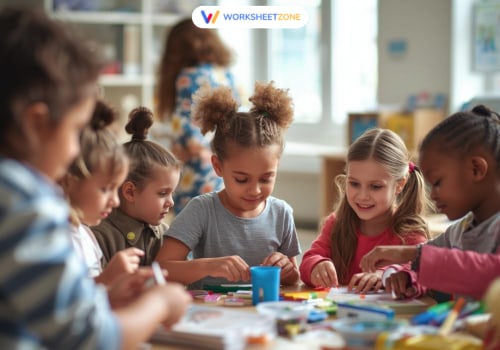
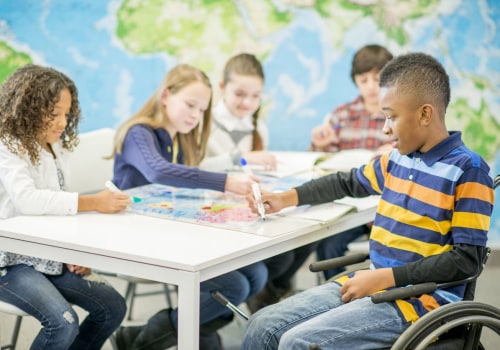
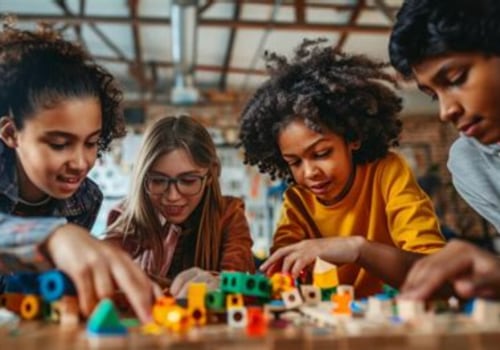
In an era where traditional educational methods often fall short in engaging young minds, the concept of fun learning for kidsfun learning for kids has emerged as a transformative approach to education. This innovative method prioritises enjoyment and creativity, allowing children to explore new ideas and concepts in a way that resonates with their natural curiosity. By integrating play into the learning process, parents and educators can create an environment that not only captivates children's attention but also fosters a genuine love for knowledge.The significance of fun learning extends far beyond mere entertainment; it plays a crucial role in a child's overall development. Engaging educational experiences stimulate critical thinking, enhance problem-solving skills, and encourage collaboration among peers.
When children are actively involved in their learning journey, they are more likely to retain information and apply it in real-world situations. This hands-on approach nurtures creativity and independence, empowering children to take ownership of their education.Moreover, the benefits of engaging education are manifold. Research indicates that children who participate in fun learning environments tend to exhibit improved academic performance and social skills. They learn to communicate effectively, work collaboratively, and approach challenges with confidence.
By making learning enjoyable, parents can help their children develop resilience and a positive attitude towards education, which will serve them well throughout their lives.Ultimately, embracing the principles of fun learning is not just about enhancing academic outcomes; it is about cultivating a lifelong passion for discovery. As parents recognise the importance of creating engaging educational experiences, they lay the foundation for their children to thrive both inside and outside the classroom.
Creating a Positive Learning Environment at Home
Creating a dedicated learning space at home is a fundamental step in fostering a positive learning environment for children. This space should be designed to inspire curiosity and creativity, making it an inviting area where kids feel comfortable engaging with educational activities.Setting Up a Dedicated Learning Space
- Choose the Right Location: Select a quiet corner of your home that is free from distractions. This could be a nook in the living room, a spare room, or even a well-organised area in your child's bedroom.
The key is to ensure that this space is separate from areas associated with relaxation or entertainment.
- Ensure Comfort and Functionality: Invest in comfortable seating and a sturdy desk or table that suits your child's height. Good lighting is essential; natural light is ideal, but if that's not possible, opt for bright, warm artificial lighting to reduce eye strain.
- Personalise the Space: Allow your child to contribute to the decor of their learning area. This could include hanging up their artwork, displaying educational posters, or incorporating their favourite colours. Personalisation helps children feel a sense of ownership over their learning environment.
Incorporating Educational Materials
A well-stocked learning space should include a variety of educational materials that cater to different interests and learning styles:
- Books: Fill the space with a diverse selection of books that cover various subjects and genres.
Include both fiction and non-fiction to spark imagination and curiosity.
- Puzzles and Games: Incorporate educational games and puzzles that promote critical thinking and problem-solving skills. These can be rotated regularly to keep the environment fresh and engaging.
- Art Supplies: Provide materials such as crayons, markers, paper, and craft supplies to encourage creativity. Art projects can be integrated into lessons on various subjects, making learning more dynamic.
- Technology: Use technology wisely by incorporating educational apps or online resources that make learning interactive. Tablets or computers can be excellent tools for accessing a wealth of information and engaging content.
Fostering a Positive Attitude Towards Learning
A positive attitude towards learning is crucial for children’s development.
Here are some strategies parents can employ:
- Encourage Curiosity: Ask open-ended questions that stimulate thought and discussion. Allow children to explore topics that pique their interest, fostering independent thinking.
- Celebrate Achievements: Recognise and celebrate even the smallest accomplishments. This boosts confidence and motivates children to continue their learning journey.
- Create a Flexible Routine: Establish regular learning times while allowing for flexibility. This balance helps children understand the importance of education without making it feel like a chore.
Incorporating Play into Learning Activities
Integrating play into educational activities is a powerful strategy for enhancing children's learning experiences.By blending fun with education, parents can create an environment where children are eager to explore and discover new concepts. Here are several effective methods to incorporate play into learning:
Educational Games
Games are a fantastic way to make learning enjoyable. Consider introducing educational board games that challenge children’s thinking and problem-solving skills. For instance:- Scrabble : This classic game enhances vocabulary and spelling while encouraging strategic thinking.
- Monopoly : A fun way to teach children about money management, basic math, and negotiation skills.
- Online Educational Games : Platforms like Kahoot! or Prodigy offer interactive quizzes and challenges across various subjects, making learning competitive and engaging.
Interactive Storytelling
Storytelling can be transformed into an interactive experience by allowing children to create their own narratives.Encourage them to use toys or puppets to act out their stories, which not only fosters creativity but also enhances language skills and comprehension. This method can be further enriched by:
- Incorporating props related to the story.
- Encouraging children to illustrate scenes from their tales.
- Using story prompts to spark imagination.
Outdoor Learning Adventures
Taking learning outside can significantly enhance a child's engagement with nature and science. Transform a simple walk into an educational adventure by:- Nature Scavenger Hunts : Create a list of items for children to find, such as specific leaves, rocks, or insects. This activity promotes observation skills and curiosity about the environment.
- Gardening Projects : Involve children in planting flowers or vegetables, teaching them about biology, responsibility, and the importance of nature.
- Outdoor Science Experiments : Conduct experiments like measuring rainfall or observing animal behaviour in their natural habitat.
Arts and Crafts Integration
Art projects can seamlessly incorporate educational elements.For example:
- Geometry through Art : Use shapes to create collages or sculptures, helping children understand geometric concepts while expressing their creativity.
- Science in Art : Explore colour mixing through painting, teaching children about primary and secondary colours while they create beautiful artwork.
- Themed Craft Days : Organise craft sessions based on historical events or cultural themes, allowing children to learn while they create.
Role-Playing Activities
Role-playing is an excellent way for children to immerse themselves in different scenarios. Set up activities where they can act out various professions or historical events. This method not only makes learning immersive but also:- Enhances social skills as they interact with peers.
- Encourages empathy by allowing them to see the world from different perspectives.
- Fosters critical thinking as they navigate through different roles and situations.
Utilising Technology for Fun Learning Experiences
Incorporating technology into the learning process can significantly enhance the educational experience for children, making it more engaging and interactive. With the right tools, parents can transform traditional learning into a dynamic adventure that captivates young minds.Here are some effective ways to utilise technology for fun learning for kids.
Educational Apps for Kids
There is a plethora of educational apps designed specifically for children that make learning enjoyable and effective. Here are a few standout options:- Khan Academy Kids: This app offers a wide range of interactive activities covering subjects such as math, reading, and social-emotional learning. Its engaging format is tailored for young learners, making complex concepts accessible and fun.
- Duolingo: A fantastic tool for introducing children to new languages, Duolingo uses gamified lessons that keep kids motivated and engaged. The app’s bite-sized lessons make language learning feel like a game rather than a chore.
- ABCmouse: Designed for children aged 2-8, this comprehensive app provides a curriculum filled with games, books, and videos that make learning enjoyable.
Its structured approach helps children build foundational skills in various subjects.
Online Learning Resources
In addition to apps, numerous online platforms offer rich educational content that can enhance the fun learning experience:- National Geographic Kids: This website is a treasure trove of articles, videos, and quizzes about wildlife, science, and geography. It’s perfect for curious minds eager to explore the world around them.
- Scratch: A platform where kids can learn coding by creating their own games and animations. Scratch fosters creativity while developing essential tech skills in a fun and interactive way.
- BBC Bitesize: Tailored to the UK curriculum, this site provides engaging lessons across various subjects, complete with videos and interactive quizzes that make learning enjoyable.
Exploring these tools together as a family can turn education into a collaborative adventure that strengthens bonds while nurturing a lifelong passion for knowledge.
Engaging in Family Learning Activities Together
Engaging in family learning activities is a powerful way to enhance educational experiences while strengthening family bonds. When parents actively participate in their children's learning, it fosters a collaborative environment that not only makes education enjoyable but also creates lasting memories. Here are some effective ways to incorporate fun learning into your family routine:- Family Game Nights: Organising regular game nights can be an excellent way to combine fun and learning. Choose board games that require strategic thinking, problem-solving, or even basic math skills.
Games like Scrabble can enhance vocabulary, while Monopoly teaches financial literacy. This shared experience encourages teamwork and communication.
- Cooking Together: Involve your children in meal preparation to teach them about measurements, following instructions, and the science behind cooking. For instance, baking a cake can introduce concepts of fractions and chemical reactions. Discussing the nutritional value of ingredients can also promote healthy eating habits.
- Outdoor Learning: Take advantage of nature by exploring local parks or gardens.
Encourage your children to observe different plants and animals, discussing their characteristics and habitats. You could turn this into a scavenger hunt, where they tick off items as they find them, making the experience both educational and exciting.
- Book Club: Start a family book club where each member selects a book to read. After finishing the books, hold discussions about themes, characters, and lessons learned. This not only improves reading comprehension but also enhances critical thinking and communication skills.
- Science Experiments: Conduct simple science experiments at home using everyday materials.
Activities like creating a volcano with baking soda and vinegar or growing crystals can spark curiosity and encourage children to ask questions about scientific concepts. These hands-on experiences make learning memorable.
Encouraging Creativity and Critical Thinking
Encouraging creativity and critical thinking in children is essential for their overall development, as these skills are foundational for problem-solving and innovation.Parents can foster these abilities through a variety of engaging and enjoyable activities that stimulate the imagination and promote analytical thinking.
Creative Learning Activities
- Art Projects: Set up a dedicated art corner in your home, stocked with supplies such as paints, markers, clay, and recycled materials. Encourage your child to express themselves through various mediums. Art projects not only allow for self-expression but also help children develop fine motor skills and learn about colour theory, shapes, and textures.
- Storytelling Sessions: Organise family storytelling nights where each member contributes to a story. This collaborative effort enhances creativity while improving language skills.
You can start with a prompt or theme, allowing each person to add their twist, which encourages imaginative thinking and narrative skills.
- Science Experiments: Conduct simple science experiments at home using everyday materials. For instance, creating a volcano with baking soda and vinegar can spark curiosity about chemical reactions. These hands-on activities make learning about scientific concepts exciting and memorable.
Fostering Critical Thinking in Kids
- Puzzles and Games: Engage your child with puzzles, board games, or logic games that require strategic thinking. Games like chess or Sudoku challenge them to think critically while having fun.
These activities not only entertain but also develop problem-solving skills.
- Problem-Solving Challenges: Present your child with real-life problems to solve, such as planning a family outing or budgeting for a small project. This encourages them to think analytically and make decisions based on available information. Discussing the thought process behind their solutions can further enhance their critical thinking abilities.
This type of play not only enhances creativity but also helps children understand various perspectives and develop empathy. By integrating these fun learning activities into family life, parents can significantly enhance their children's creativity and critical thinking skills, making learning an enjoyable experience for everyone involved.
Setting Goals and Celebrating Achievements
Setting achievable goals is a fundamental aspect of fostering fun learning for kids. When children have clear objectives, they are more likely to remain engaged and motivated throughout their educational journey. Involving children in the goal-setting process not only empowers them but also instills a sense of ownership over their learning experiences.Steps to Set Goals:
- Identify Interests: Begin by discussing with your child what subjects or activities excite them.
This dialogue can help in establishing relevant and meaningful goals that resonate with their passions.
- Make Goals SMART: Ensure that the goals are Specific, Measurable, Achievable, Relevant, and Time-bound. For instance, instead of a vague aspiration like "I want to read more," a SMART goal would be "I will read one book every two weeks." This clarity helps children understand what is expected of them.
- Break It Down: Divide larger goals into smaller, manageable tasks. This approach makes the process less daunting and allows for regular progress checks, which can be incredibly motivating.
Celebrating milestones creates a positive feedback loop that encourages further effort and persistence.
Ways to Celebrate Achievements:
- Verbal Praise: Simple words of encouragement can have a profound impact. Acknowledge your child's hard work and dedication with genuine compliments.
- Reward Systems: Consider implementing a reward system where children earn points or tokens for achieving their goals. These can be exchanged for fun activities or treats, making the process more engaging.
- Family Celebrations: Organise small family gatherings or outings to celebrate significant achievements. This reinforces the idea that learning is valued and appreciated within the family unit.
This approach not only fosters motivation but also cultivates a lifelong love for learning in children.
FAQs About Fun Learning for Kids
When it comes to fun learning for kids, parents often have numerous questions. Addressing these queries can help create a more engaging and effective educational environment at home. Below are some of the most frequently asked questions along with practical tips and insights.What are some effective ways to make learning enjoyable at home?
Transforming traditional lessons into enjoyable experiences can be achieved through various methods:- Incorporate Games: Use educational board games or card games that reinforce key concepts while keeping the atmosphere light-hearted.
- Hands-On Activities: Engage children in projects that require them to build, create, or experiment, making learning tactile and interactive.
- Utilise Technology: Leverage educational apps and online resources that offer interactive lessons tailored to your child's interests.
How can I encourage my child to participate in learning activities?
Motivating children to engage in educational activities can be achieved by:- Involving Them in Planning: Ask your child what subjects excite them and what activities they would like to try. This sense of ownership can significantly boost their motivation.
- Setting Goals Together: Help your child set achievable goals related to their interests, making the learning process feel more relevant and personal.
Are there specific resources that promote fun learning?
Yes! Here are some valuable resources:- Books: Look for storybooks that incorporate educational themes, making learning feel like an adventure.
- Online Platforms: Websites like National Geographic Kids or BBC Bitesize offer interactive lessons that make learning engaging.
- Local Workshops: Check for community events or workshops focused on hands-on learning experiences.
How do I balance fun with educational value?
The key is to ensure that the activities align with educational goals.For instance, if your child enjoys cooking, use it as an opportunity to teach measurements, fractions, and even scientific concepts related to food. This way, you can maintain a fun atmosphere while still focusing on important learning outcomes.By addressing these common concerns, parents can create a supportive environment that fosters fun learning for kids. Remember, the goal is to keep the atmosphere enjoyable while still prioritising educational growth.
Conclusion: Embracing Fun Learning as a Family Value
In summary, embracing fun learning as a fundamental family value can profoundly enrich the educational journey of children. Throughout this article, we have explored various strategies and activities that not only make learning enjoyable but also foster a deeper connection between parents and their children.By integrating play, creativity, and collaboration into everyday learning experiences, families can cultivate an environment where education is seen as an exciting adventure rather than a chore.One of the key takeaways is the importance of creating a positive learning atmosphere at home. This involves setting up dedicated spaces for study, incorporating engaging materials, and fostering a mindset that celebrates curiosity and exploration. When children feel supported in their learning endeavours, they are more likely to develop a genuine love for knowledge that lasts a lifetime.Moreover, the incorporation of technology in education has opened up new avenues for fun learning. With a plethora of educational apps and online resources available, parents can transform traditional lessons into interactive experiences that captivate their children's attention.
This not only enhances understanding but also equips kids with essential skills for the digital age.Engaging in family learning activities further strengthens bonds while reinforcing educational concepts. Whether through game nights, cooking together, or embarking on outdoor adventures, these shared experiences create lasting memories and instil a sense of teamwork. By actively participating in their children's education, parents model positive attitudes towards learning that children are likely to emulate.Ultimately, making fun learning a core family value is about more than just academic success; it’s about nurturing well-rounded individuals who are curious, creative, and confident. As families commit to this approach, they not only enhance their children's educational outcomes but also enrich their own lives through shared discoveries and joyful experiences.
Let us strive to make fun learning an integral part of our family culture, ensuring that education remains a delightful journey for generations to come.