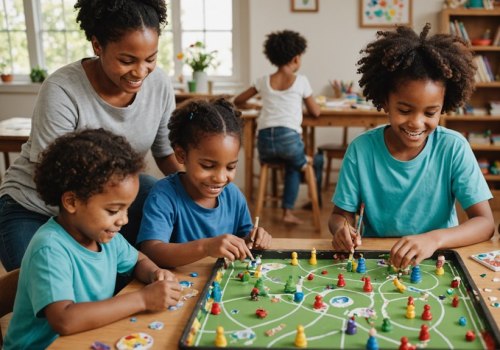
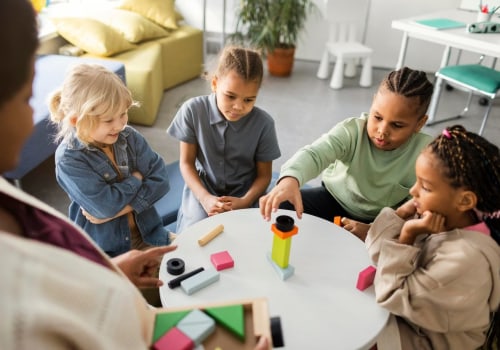
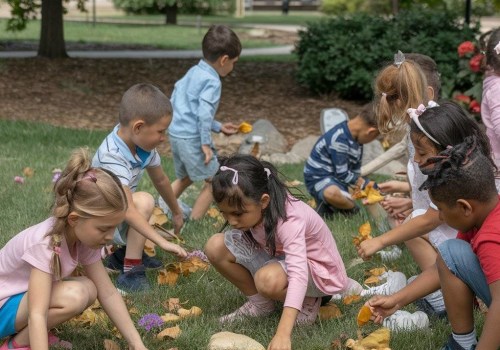
In the realm of childhood education, the concept of fun learning for kidsfun learning for kids has gained significant traction, emerging as a cornerstone of effective teaching methodologies. This approach transcends traditional educational practices by intertwining play with learning, creating an environment where children can thrive both academically and socially. The essence of fun learning lies in its ability to engage children in a manner that feels natural and enjoyable, allowing them to absorb knowledge without the pressure often associated with formal education. The importance of fun learning cannot be overstated. It fosters a sense of curiosity and exploration, encouraging children to ask questions and seek answers in a supportive atmosphere.
When children are engaged in playful activities, they are more likely to develop critical thinking skills and retain information. This method not only enhances cognitive development but also nurtures emotional intelligence, as children learn to navigate social interactions through collaborative play. Moreover, the benefits of playful education extend beyond mere academic achievement. Research indicates that children who participate in fun learning experiences exhibit improved problem-solving abilities, creativity, and resilience. They learn to approach challenges with a positive mindset, viewing mistakes as opportunities for growth rather than setbacks.
By integrating play into their daily routines, parents can cultivate a lifelong love for learning, setting the foundation for their children's future success. As we delve deeper into the various strategies for incorporating fun learning into everyday life, it becomes evident that this approach is not just beneficial; it is essential for nurturing well-rounded individuals who are prepared to face the complexities of the world around them.
Creating a Learning-Friendly Environment at Home
Creating a nurturing and stimulating learning environment at home is crucial for fostering a child's love for knowledge. A well-designed space can significantly enhance their ability to focus, explore, and engage with educational materials. Here are some essential elements to consider when establishing a conducive learning atmosphere.Designated Learning Areas
Having a specific area dedicated to learning can help children associate that space with education and creativity. Here are some tips for setting up these areas:- Select a Quiet Space: Choose a location in your home that is free from distractions, such as noise or clutter.
This could be a corner of the living room, a quiet nook in the hallway, or even a dedicated study area in their bedroom.
- Incorporate Comfortable Furniture: Ensure that the seating and desk are appropriate for your child's size. A small desk and chair can create an inviting atmosphere that encourages them to spend time in their learning space.
- Add Personal Touches: Allow your child to decorate their learning area with items that inspire them, such as artwork, motivational quotes, or educational posters. Personalisation can make the space feel more welcoming and engaging.
Resources to Encourage Learning
Equipping the learning area with the right resources is vital for promoting fun learning for kids. Here are some essential items to consider:- Books and Educational Materials: Stock the area with a variety of books that cater to your child's interests and reading level.
Include educational games and puzzles that promote critical thinking and problem-solving skills.
- Technology Integration: If appropriate, incorporate technology such as tablets or computers equipped with educational apps. These tools can make learning interactive and engaging, allowing children to explore subjects in depth.
- Art Supplies: Provide materials like crayons, markers, paper, and craft supplies to encourage creativity. Art can be an enjoyable way to learn about different subjects, from science to history.
Establishing Daily Routines for Learning
Establishing daily routines for learning is crucial in helping children understand that education is a continuous journey rather than a series of isolated tasks.By integrating educational activities into their everyday schedules, parents can create an environment where learning becomes a natural and enjoyable part of life.
Creating a Structured Schedule
- Morning Learning Sessions: Start the day with a brief educational activity, such as reading a book together or discussing a topic of interest. This sets a positive tone for the day and reinforces the idea that learning is important.
- Incorporate Learning into Chores: Turn household tasks into learning opportunities. For example, while cooking, ask your child to measure ingredients or calculate cooking times. This not only teaches practical skills but also reinforces mathematical concepts.
- Designate Homework Time: Establish a specific time each day for homework or study.
This routine helps children develop discipline and understand the importance of completing assignments on time.
Flexibility within Structure
While consistency is key, it’s equally important to allow for flexibility within the established routine. Children may have varying energy levels and interests on different days, so adapting the schedule to accommodate these changes can enhance their engagement. For instance, if your child shows a keen interest in a particular subject one day, consider extending that learning session or incorporating related activities.
Utilising Visual Aids
Visual aids such as charts or calendars can be effective tools in reinforcing daily routines. Create a colourful chart that outlines the daily schedule, including time slots for educational activities.
This not only serves as a reminder but also allows children to take ownership of their learning by tracking their progress.
Encouraging Reflection
At the end of each day, take a few moments to reflect on what was learned. Ask your child questions about their favourite activity or what new information they discovered. This practice not only reinforces learning but also encourages critical thinking and self-assessment.By establishing consistent daily routines that incorporate education into everyday life, parents can help children develop a lifelong love for learning. The key lies in creating an environment where education is valued and integrated seamlessly into daily activities.
Integrating Learning into Everyday Activities
Integrating learning into everyday activities is a powerful way to make education a natural part of your child's life.By transforming routine tasks into engaging educational experiences, parents can help children develop essential skills while having fun. Here are some creative ways to embed fun learning into daily activities:
Cooking Together
Cooking is not just about preparing meals; it’s an excellent opportunity for children to learn various skills. Involve your child in the kitchen by:- Measuring Ingredients: Teach them about fractions and measurements by asking them to measure out ingredients. For example, using a cup to measure flour can introduce concepts of volume.
- Reading Recipes: Encourage your child to read recipes aloud.
This practice enhances their reading skills and comprehension while also teaching them about following instructions.
- Discussing Nutrition: Use cooking as a chance to talk about healthy eating. Discuss the nutritional value of different ingredients and why they are important for the body.
Shopping Adventures
Grocery shopping can be transformed into a fun learning experience. Here’s how:- Create a Shopping List: Involve your child in making a shopping list based on meals you plan to cook together. This activity helps with planning and organisation.
- Price Comparisons: While shopping, discuss prices and encourage your child to compare items.
This not only teaches them about money management but also basic arithmetic skills.
- Identifying Items: Ask your child to find specific items in the store. This scavenger hunt approach makes shopping exciting and reinforces their ability to read labels and recognise products.
Educational Chores
Household chores can also be educational if approached creatively. Here are some ideas:- Sorting Tasks: When tidying up, ask your child to sort items by size, colour, or type. This activity enhances categorisation skills and promotes critical thinking.
- Counting Objects: While setting the table or putting away groceries, encourage your child to count items.
This simple task reinforces their counting skills and number recognition.
- Problem-Solving Challenges: Turn chores into challenges by asking your child how they would approach a task differently or more efficiently. This encourages them to think critically and develop problem-solving skills.
Utilising Technology for Fun Learning Experiences
In the modern educational landscape, technology has become an indispensable tool for enhancing fun learning for kids. By integrating various digital resources into their daily routines, parents can create engaging and interactive experiences that not only captivate children's attention but also prepare them for a future where digital literacy is paramount.Educational Apps for Kids
- Khan Academy Kids: This app offers a plethora of resources tailored specifically for young learners.
With interactive activities covering subjects such as math, reading, and social-emotional learning, it transforms traditional learning into an engaging adventure.
- Duolingo: For children interested in languages, Duolingo gamifies the learning process. Its bite-sized lessons encourage daily practice, making language acquisition both fun and effective.
- Endless Alphabet: This app introduces children to new vocabulary through delightful animations and engaging word puzzles, fostering a love for language and literacy.
Online Learning Resources
- BBC Bitesize: A fantastic resource for UK students, BBC Bitesize offers bite-sized lessons across various subjects that are both informative and entertaining. It provides a comprehensive platform for children to explore topics in depth.
- National Geographic Kids: This platform is rich with articles, videos, and quizzes about wildlife and geography. It sparks curiosity about the world around them, making learning an exciting exploration.
- Scratch: Designed for budding programmers, Scratch allows children to create their own games and animations.
This not only promotes creativity but also teaches essential coding skills in a fun way.
Engaging in Play-Based Learning Activities
Engaging in play-based learning activities is a powerful way to enhance your child's cognitive development while making education enjoyable. This approach allows children to explore concepts through hands-on experiences, fostering creativity and critical thinking.Here are some effective play-based learning activities that can be easily integrated into your child's daily routine:
1.Scavenger Hunts
Create a scavenger hunt that encourages your child to search for specific items around the house or garden. You can tailor the hunt to focus on various subjects:- Math: Ask them to find items in specific quantities, such as three red toys or five books.
- Science: Include natural elements like leaves, rocks, or flowers, prompting discussions about their characteristics.
- Language: Use clues that require reading skills, enhancing their comprehension as they decipher hints.
2.Storytelling with Toys
Encourage your child to create stories using their favourite toys or puppets. This activity not only enhances their imagination but also improves language skills. You can:- Set a theme for the story, such as a journey through space or an adventure in a magical forest.
- Ask them to act out different characters, which adds an element of drama and excitement.
- Incorporate lessons from their school subjects into the narrative, making learning relevant and fun.
3.Arts and Crafts
Setting up a craft station with various materials can spark creativity while teaching important concepts:- Shapes and Colours: Use coloured paper, scissors, and glue to create collages that explore different shapes and colours.
- Science Projects: Engage in simple science experiments, like creating a volcano with baking soda and vinegar, which combines art with scientific principles.
- Cultural Exploration: Craft projects related to different cultures can introduce your child to global diversity while enhancing their artistic skills.
4.Cooking Together
Involving your child in cooking is an excellent way to teach practical skills while reinforcing academic concepts:- Math Skills: Measuring ingredients helps them understand fractions and volume.
- Reading Skills: Following a recipe enhances their ability to read instructions accurately.
- Nutritional Education: Discussing the health benefits of various ingredients promotes awareness of nutrition.
The key is to maintain a playful attitude and encourage exploration, turning every moment into an opportunity for discovery.
Encouraging Curiosity and Exploration in Children
Fostering a child's natural curiosity is crucial for their development and love of learning. When children are encouraged to explore and ask questions, they become more engaged and motivated to learn. Here are several effective strategies that parents can implement to nurture inquisitiveness in their children:- Encourage Questions: Always welcome your child's questions, regardless of how trivial they may seem. Responding positively to their inquiries not only validates their curiosity but also motivates them to ask more.
For instance, if your child asks why the sky is blue, take the time to explore the answer together.
- Explore Together: Engage in activities that promote exploration, such as nature walks, museum visits, or even simple backyard adventures. These experiences can spark interest and lead to meaningful discussions. For example, during a nature walk, encourage your child to observe different plants and animals, discussing their characteristics and habitats.
- Provide Resources: Stock up on books, science kits, and art supplies that cater to your child's interests. Having access to diverse materials can inspire them to explore new topics and ideas.
Consider creating a mini-library at home with books on various subjects that pique their interest.
- Model Curiosity: Demonstrate your own curiosity by sharing what you learn. Whether it's a new recipe or a fascinating fact about space, showing enthusiasm for learning can be contagious. Involve your child in your explorations; for instance, if you discover a new hobby, invite them to join you.
- Create a Question Jar: Encourage your child to write down questions they have throughout the week and place them in a jar. Dedicate time each week to explore these questions together, turning them into fun learning opportunities.
This not only promotes critical thinking but also makes learning feel like an adventure.
- Science Experiments: Simple experiments using household items can ignite a passion for science. For example, creating a volcano with baking soda and vinegar is both fun and educational.
- Art Projects: Encourage creativity through art by providing various materials and letting your child express themselves freely. This not only fosters creativity but also enhances problem-solving skills.
- Culinary Adventures: Involve your child in cooking or baking.
This activity teaches them about measurements, ingredients, and the science behind cooking while being an enjoyable experience.
Setting Realistic Learning Goals and Rewards
Establishing realistic learning goals is a fundamental aspect of nurturing a child's educational journey. By setting achievable objectives, parents can create a structured yet flexible environment that encourages children to engage actively in their learning. This process not only helps children understand what is expected of them but also fosters a sense of accomplishment as they meet their targets.Identifying Interests and Strengths
The first step in setting effective learning goals is to identify your child's interests and strengths.
This can be achieved through observation and open conversations about what excites them. For instance, if your child shows a keen interest in animals, you might set a goal for them to read a certain number of books about wildlife or complete a project on endangered species. Tailoring goals to their passions makes the learning process more engaging and enjoyable.
SMART Goals
When formulating learning objectives, consider using the SMART criteria—Specific, Measurable, Achievable, Relevant, and Time-bound. For example:
- Specific: Instead of saying "improve in maths," specify "complete five math exercises each week."
- Measurable: Ensure that progress can be tracked, such as "read one book per week."
- Achievable: Set goals that are challenging yet attainable based on your child's current abilities.
- Relevant: Align goals with your child's interests to maintain motivation.
- Time-bound: Establish a clear timeframe for achieving these goals, such as "by the end of the month."
Implementing Reward Systems
A well-structured reward system can significantly enhance motivation and reinforce positive behaviour.
Rewards do not always need to be tangible; they can also include privileges or experiences that your child values. Here are some effective strategies for implementing reward systems:
- Sticker Charts: Create a visual chart where children can place stickers for each goal they achieve. This provides instant gratification and visual progress tracking.
- Point System: Assign points for completing tasks or reaching milestones. Accumulated points can be exchanged for rewards like extra playtime or a special outing.
- Celebration Days: Dedicate time to celebrate achievements, no matter how small.
This could be a family movie night or a picnic in the park, reinforcing the idea that learning is fun.
Creating a Positive Learning Environment
The key to successful goal-setting and reward systems lies in maintaining an atmosphere of encouragement and positivity. When children associate learning with enjoyable experiences and recognition, they are more likely to engage actively and develop a lifelong love for knowledge. By setting realistic goals and implementing effective reward systems, parents can create an enriching daily routine that makes learning an integral part of their child's life.
Frequently Asked Questions about Fun Learning for Kids
Parents often have numerous questions when it comes to integrating fun learning into their children's daily routines. Addressing these queries can help alleviate concerns and encourage a more playful approach to education.Below are some of the most frequently asked questions along with practical answers.
What are some effective fun learning activities for kids?
There are countless activities that can make learning enjoyable. Here are a few examples:- Educational Games: Board games and card games that focus on math, vocabulary, or strategy can be both fun and educational.
- Interactive Storytelling: Encourage your child to create their own stories using props or puppets, enhancing their creativity and language skills.
- Science Experiments: Simple experiments, like making slime or creating a baking soda volcano, can spark interest in science while being entertaining.
- Arts and Crafts: Engaging in creative projects allows children to explore different materials and techniques while learning about shapes, colours, and textures.
How can I motivate my child to embrace learning?
Motivation can be fostered by connecting learning to your child's interests. Here are some strategies:- Incorporate Interests: If your child loves animals, include books or documentaries about wildlife in their routine.
- Celebrate Achievements: Recognising even small accomplishments can boost confidence and enthusiasm for learning.
- Create a Fun Learning Environment: Make the learning space inviting with colourful decorations and accessible resources that inspire curiosity.
Is screen time beneficial for educational purposes?
While excessive screen time can be harmful, educational apps and programmes can offer valuable learning experiences. It’s essential to choose high-quality content that promotes interaction and critical thinking.Look for apps that align with your child's interests and provide engaging challenges.
How do I balance fun learning with academic requirements?
You can integrate fun learning into homework by turning study sessions into games or challenges. For example, create quizzes based on the subjects they are studying or use flashcards in a competitive format. This approach not only makes revision enjoyable but also reinforces the material in a memorable way.By addressing these common concerns, parents can better understand how to implement fun learning, making education an enjoyable and effective part of their child's daily life.Conclusion: Making Learning an Enjoyable Journey
In summary, the journey of integrating fun learning for kids into their daily routines is not merely an educational strategy; it is a vital approach to nurturing a lifelong passion for knowledge. Throughout this article, we have explored various methods and activities that can transform ordinary moments into extraordinary learning experiences.One of the most significant takeaways is the importance of creating an environment where learning is synonymous with play.When children associate education with enjoyment, they are more likely to engage actively and retain information. This can be achieved through:
- Interactive Activities: Incorporating games, storytelling, and hands-on projects can make learning feel less like a chore and more like an adventure.
- Daily Integration: By embedding educational moments into everyday tasks—such as cooking, shopping, or even cleaning—parents can seamlessly weave learning into their child's routine.
- Parental Involvement: Actively participating in your child's learning journey not only strengthens your bond but also sets a positive example. Your enthusiasm can inspire them to explore new topics and ideas.
Educational apps and online resources provide interactive platforms that cater to various interests and learning styles.Ultimately, fostering a love for learning requires patience, creativity, and a willingness to adapt. By setting realistic goals and celebrating achievements—no matter how small—parents can motivate their children to embrace challenges with confidence. The key lies in maintaining a playful attitude towards education, making every learning opportunity an exciting journey of discovery.As you embark on this rewarding path of incorporating fun learning into your child's life, remember that the most important aspect is to enjoy the process together. By doing so, you will not only enrich their educational experience but also create cherished memories that will last a lifetime.