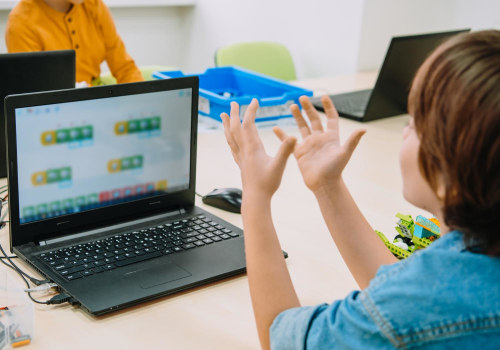
In an era where traditional educational methods often fall short of capturing the vibrant imaginations of children, the concept of fun learning for kids has emerged as a transformative approach. This innovative method prioritises engagement and enjoyment, recognising that children learn best when they are actively involved in the process. By integrating play and creativity into educational activities, we can create an environment where learning becomes an exciting adventure rather than a chore.Engaging activities are at the heart of this approach, as they not only stimulate curiosity but also cater to various learning styles. Whether through hands-on experiments, interactive games, or creative arts, these activities encourage children to explore concepts deeply and develop critical thinking skills.
The importance of educational play cannot be overstated; it fosters a love for learning that can last a lifetime, making education a joyful experience rather than a daunting task.Moreover, fun learning for kids promotes social interaction and teamwork, essential skills in today’s interconnected world. When children participate in group activities, they learn to communicate effectively, share ideas, and collaborate towards common goals. This not only enhances their academic performance but also prepares them for future challenges in both personal and professional realms. As we delve deeper into the various engaging activities that can enrich children's educational experiences, it becomes clear that fun learning is not just beneficial; it is essential for nurturing well-rounded individuals.
The Importance of Interactive Learning
Interactive learning is a transformative approach that significantly enhances the educational experience for children.Interactive learning is a transformative approach that significantly enhances the educational experience for children.By actively involving students in the learning process, these methods cater to various learning styles and preferences, making education more accessible and enjoyable.One of the primary benefits of interactive learning is its ability to foster child engagement. When children participate in hands-on activities, they are more likely to be invested in their learning. This active participation not only captures their attention but also encourages them to ask questions, explore new ideas, and collaborate with peers. As a result, children develop a deeper understanding of the material, which is often reflected in improved academic performance.Moreover, interactive learning strategies promote critical thinking and problem-solving skills.
For instance, when children engage in group projects or discussions, they learn to articulate their thoughts and consider different perspectives. This collaborative environment nurtures essential social skills such as communication and teamwork, which are vital for success both in and out of the classroom.Another significant advantage of interactive learning is its adaptability to different educational contexts. Whether through digital tools, physical activities, or creative projects, these methods can be tailored to suit individual needs. For example:
- Visual learners may benefit from interactive presentations that incorporate videos and infographics.
- Auditory learners might thrive in environments where discussions and storytelling are central.
- Kinaesthetic learners often excel when lessons involve movement or hands-on experiments.
By promoting engagement, critical thinking, and adaptability, these educational strategies not only enhance knowledge retention but also cultivate a lifelong love for learning. As educators and parents embrace these methods, they pave the way for a more enriching educational journey for children.
Creative Arts and Crafts Activities
Engaging children in creative arts and crafts activities not only nurtures their imagination but also plays a crucial role in developing fine motor skills and cognitive abilities. These projects can be easily implemented at home or in educational settings, providing a platform for self-expression and creativity. Here are some exciting and educational arts and crafts ideas that can inspire young minds.1.Paper Mache Creations
Paper mache is a versatile medium that allows children to create three-dimensional sculptures.To start, gather materials such as newspaper strips, flour, water, and balloons. Mix flour and water to create a paste, then dip the newspaper strips into the mixture and layer them over a balloon or any other form. Once dried, children can paint and decorate their creations, fostering personal expression while learning about structure and design.
2.DIY Greeting Cards
Encouraging kids to design their own greeting cards is a wonderful way to combine creativity with thoughtfulness. Provide various materials such as coloured paper, stickers, markers, and stamps.Children can create cards for birthdays, holidays, or just to say thank you. This activity not only enhances their artistic skills but also teaches them the importance of communication and kindness.
3.Nature Collages
A nature collage project begins with a fun outdoor adventure where children collect leaves, flowers, twigs, and other natural materials. Back at home or in the classroom, they can arrange these items on a canvas or sturdy paper to create beautiful collages. This activity encourages observation of nature's beauty while developing artistic skills and an appreciation for the environment.4.Recycled Art Projects
Utilising recyclable materials like plastic bottles, cardboard boxes, and old magazines can spark creativity while promoting environmental awareness.Challenge kids to transform these items into art pieces or functional objects—such as bird feeders or planters—encouraging them to think critically about waste and sustainability.These fun art projects for children not only provide an outlet for self-expression but also encourage teamwork when done in groups. Parents and educators can facilitate these activities by offering guidance while allowing children the freedom to explore their creativity. Incorporating creative learning activities into daily routines significantly enhances children's cognitive development, helping them think critically, solve problems, and develop patience as they see their ideas come to life.
Interactive Games and Play-Based Learning
Incorporating interactive games into the learning process can significantly enhance a child's educational experience. These games not only make learning enjoyable but also foster essential skills such as problem-solving, teamwork, and critical thinking.Below, we explore various types of interactive games that can be effectively used in educational settings.
Board Games: A Classic Approach
Board games have long been a staple in family and educational environments, providing a fun way to engage children in play-based learning. Games like Scrabble and Monopoly are not just entertaining; they also promote cognitive development. Scrabble enhances vocabulary and spelling skills, while Monopoly introduces basic math concepts and financial literacy.- Social Skills: Board games encourage children to interact with peers, teaching them valuable lessons about taking turns, following rules, and strategising.
- Critical Thinking: Many board games require players to think ahead and make decisions based on the actions of others, fostering analytical skills.
- Adaptability: As children learn to navigate different game scenarios, they develop flexibility in their thinking and problem-solving approaches.
Outdoor Activities: Learning Beyond the Classroom
Outdoor activities provide an excellent platform for educational games that extend learning beyond traditional classroom settings. Simple games like scavenger hunts can teach kids about nature while enhancing their observational skills.- Nature Scavenger Hunts: Create a list of items for children to find during a nature walk, such as specific leaves or insects.
This activity promotes teamwork and encourages exploration.
- Team Sports: Organising team sports not only improves physical fitness but also teaches cooperation and communication skills.
- Outdoor Science Experiments: Activities like building a simple weather station or conducting soil tests can make science tangible and exciting.
Digital Games: The Future of Learning
In today's digital age, interactive digital games have become increasingly popular in education. Many apps and online platforms offer engaging content that aligns with school curricula.- Kahoot! : This platform allows teachers to create quizzes that make learning competitive and fun, encouraging active participation from students.
- Mathletics: An online resource that gamifies mathematics learning, making it more engaging for children who may struggle with traditional methods.
- Coding Games: Platforms like Code.org introduce children to programming concepts through interactive challenges that are both fun and educational.
Hands-On Science Experiments
Engaging children in hands-on science experiments is a fantastic way to ignite their curiosity and deepen their understanding of scientific principles. These activities not only make learning enjoyable but also encourage critical thinking and problem-solving skills.Here are some simple yet exciting science experiments that can be easily conducted at home or in the classroom.
1.Volcano Eruption
This classic experiment demonstrates a chemical reaction in a visually stimulating way. To create your own mini volcano, you will need:- Baking soda
- Vinegar
- Food colouring (optional)
- A container (like a plastic bottle)
2.Invisible Ink
This fun activity introduces kids to concepts of oxidation and heat.To create invisible ink, you will need:
- Lemon juice
- Cotton swabs or a small paintbrush
- White paper >
3.Homemade Slime
Making slime is a tactile experience that kids love, and it provides an excellent opportunity to learn about polymers. For this experiment, gather:- White school glue
- Baking soda
- Contact lens solution (containing boric acid)
- Food colouring (optional)
Finally, add contact lens solution gradually until the mixture begins to form slime. Kids will enjoy stretching and playing with their creation while learning about viscosity and polymer science.
4.Egg in a Bottle
This experiment is a fantastic demonstration of air pressure principles. You will need:- A peeled hard-boiled egg
- A glass bottle with a mouth slightly smaller than the egg's diameter
- A piece of paper or a small piece of burning material (like a match)
This captivating experiment illustrates fundamental concepts of air pressure and temperature changes.Incorporating these hands-on science experiments into learning routines can significantly enhance children's enthusiasm for science, making it an integral part of their educational journey. By engaging in these activities, kids not only have fun but also develop a deeper understanding of scientific principles through practical experience.
Storytelling and Role-Playing Activities
Storytelling and role-playing are powerful educational tools that not only enhance children's language skills but also ignite their imagination and creativity. These interactive methods allow children to immerse themselves in narratives, fostering a love for stories while developing critical thinking and communication abilities.Storytelling Techniques
- Use Visual Aids: Incorporating pictures, puppets, or props can significantly enhance the storytelling experience. Visual elements help children better understand the narrative and stimulate their imagination, making the story more engaging.
- Encourage Participation: Involve children in the storytelling process by asking questions or allowing them to choose what happens next.
This active participation keeps them interested and makes the experience more interactive.
- Vary Your Voice: Using different tones and accents for various characters not only makes storytelling entertaining but also aids children in differentiating between characters and understanding emotions. This technique can help them connect more deeply with the story.
Role-Playing Activities
- Create Scenarios: Set up simple scenarios based on familiar stories or everyday situations. For example, children can act out scenes from their favourite books or pretend to be in a shop. This practice helps them apply language skills in context.
- Assign Roles: Let each child take on a character's role.
This encourages them to think from different perspectives, enhancing their empathy and social skills while also making the activity more enjoyable.
- Incorporate Props: Providing costumes or props related to the story or scenario adds an element of fun and allows children to express themselves creatively while learning. Props can make the experience more tangible and memorable.
Utilising Technology for Fun Learning Experiences
In the modern educational landscape, technology has become an indispensable tool for creating engaging and interactive learning experiences for children. By leveraging various digital resources, educators and parents can transform traditional learning into a dynamic adventure that captivates young minds.One of the most effective ways to utilise technology in education is through educational apps.These applications are designed specifically for children, offering a wide range of subjects and skills in a fun and interactive format. Here are some notable examples:
- Khan Academy Kids: This app provides a comprehensive learning experience with lessons in reading, math, and social-emotional skills. Its interactive features, such as animated characters and engaging activities, make learning enjoyable.
- ABCmouse: Aimed at younger children, ABCmouse offers a curriculum that covers various subjects through games, songs, and stories. The app adapts to each child's learning pace, ensuring personalised education.
- Prodigy Math: This game-based platform makes math practice exciting by incorporating elements of fantasy and adventure.
Children can solve math problems to progress through levels, making it a fun way to reinforce their skills.
- Smartboards: These interactive whiteboards enable teachers to present lessons in an engaging manner. Students can come up to the board to solve problems or participate in discussions, fostering collaboration.
- Tablets: With access to various educational apps and online resources, tablets provide children with opportunities for independent learning.
They can explore subjects at their own pace while enjoying interactive content.
This holistic approach ensures that children not only enjoy their educational journey but also develop critical thinking and social skills.In conclusion, utilising technology for fun learning experiences opens up a world of possibilities for children. By selecting the right tools and maintaining a balanced approach, we can create an environment where fun learning for kids thrives.
Outdoor Learning Adventures
Engaging children in outdoor learning adventures offers a unique opportunity to blend education with the wonders of nature. These experiences not only foster a love for the environment but also enhance cognitive and physical development through hands-on exploration. By stepping outside the traditional classroom, children can immerse themselves in their surroundings, making learning both enjoyable and memorable.One effective way to promote outdoor education is through nature walks.These excursions allow children to observe various plants, animals, and ecosystems up close. To make these walks more interactive, consider incorporating a scavenger hunt. Create a list of items for children to find, such as specific leaves, rocks, or insects. This activity not only promotes observation skills but also encourages teamwork as they collaborate to complete the list.Another exciting option is to organise fun outdoor games that blend play with education.
Here are some engaging activities:
- Nature Bingo: Create bingo cards featuring various elements found in nature, such as birds, flowers, or trees. As children spot these items during their outdoor adventure, they can mark them off their cards, enhancing their observational skills.
- Outdoor Art: Provide children with natural materials like leaves, twigs, and stones to create art projects. This not only sparks creativity but also teaches them about the materials they are using and their significance in the ecosystem.
- Environmental Challenges: Set up challenges that require kids to solve problems using natural resources. For example, they could build a shelter using sticks and leaves or create a water filtration system with sand and gravel.
These activities encourage critical thinking and resourcefulness.
Incorporating Music and Movement into Learning
Integrating music and movement into educational activities can significantly enhance children's cognitive development and retention of information. By engaging multiple senses, children are more likely to remember what they learn, making the educational experience both enjoyable and effective.Music Activities for Kids
- Educational Songs: Using catchy tunes to teach concepts can make learning fun.
For example, songs that teach the alphabet or numbers can be both entertaining and informative. Popular choices include:
- The Alphabet Song: A classic that helps children learn their letters in a memorable way.
- Five Little Ducks: This song teaches counting while engaging children with a delightful story about ducks.
- Head, Shoulders, Knees, and Toes: A fun way to teach body parts while encouraging movement.
- Musical Games: Incorporate games that involve music, such as musical chairs or freeze dance. These activities not only promote physical activity but also enhance listening skills and coordination.
Movement-Based Learning
- Action Songs: Songs that include movements, like "If You're Happy and You Know It," encourage kids to follow along and stay active. This not only reinforces the lyrics but also helps with motor skills.
- Dance Breaks: Short dance sessions between lessons can refresh kids' minds and improve focus.
This is particularly effective during longer learning sessions, as it allows children to release energy and return to their tasks with renewed attention.
- Learning Stations: Set up different stations where children can move around and engage with various subjects through physical activities. For instance, a math station could involve jumping to answer questions or using hula hoops to represent numbers.
Frequently Asked Questions about Fun Learning for Kids
When it comes to fun learning for kids, parents and educators often have numerous questions.This section aims to address some of the most frequently asked questions regarding interactive learning methods, providing clarity and encouraging their implementation in educational settings.
What are interactive learning methods?
Interactive learning methods are educational approaches that actively engage students in the learning process. These methods require participation, collaboration, and hands-on experiences, making learning more dynamic and enjoyable. Examples include group projects, educational games, role-playing activities, and the use of technology to facilitate learning.How can I make learning fun for my child?
To make learning enjoyable for your child, consider incorporating a variety of engaging activities that align with educational goals. Here are some effective strategies:- Utilise games: Incorporate board games or digital games that promote critical thinking and problem-solving.
- Creative storytelling: Use storytelling techniques to teach concepts, allowing children to participate in the narrative.
- Hands-on projects: Engage children in arts and crafts or science experiments that allow them to explore and create.
Are there specific activities that promote interactive learning?
Yes! Numerous activities can significantly enhance engagement among children.Some popular options include:
- Role-playing: Children can act out scenarios from stories or real-life situations, which helps develop empathy and communication skills.
- Science experiments: Simple experiments can spark curiosity and provide practical understanding of scientific principles.
- Art projects: Creative activities encourage self-expression while reinforcing concepts learned in other subjects.
How do I keep my child motivated during learning?
Maintaining motivation is crucial for effective learning. Here are some tips to keep your child engaged:- Set achievable goals: Break down tasks into manageable steps and celebrate small successes to build confidence.
- Incorporate rewards: Use a reward system for completing tasks or reaching milestones to encourage continued effort.
- Allow choice: Let children have a say in their learning topics or activities, fostering a sense of ownership over their education.
Can interactive learning be effective for all age groups?
Absolutely! While the methods may vary based on age, interactive learning can be tailored to suit different developmental stages. Younger children may benefit from play-based activities, while older students might engage more with technology-driven projects or complex problem-solving tasks. The key is to adapt the approach to meet the needs and interests of each age group.By addressing these common queries, parents and educators can better understand how to implement fun learning for kids, ensuring that education remains an enjoyable and enriching experience for all children.<strong>Conclusion: Embracing Fun Learning Approaches</strong>
In summary, embracing fun learning approaches is crucial for nurturing children's growth and development.By integrating interactive methods into educational practices, we can create an environment that not only captivates young minds but also fosters a lifelong love for learning. The diverse range of activities discussed throughout this article highlights the importance of making education enjoyable and engaging.As we have explored, incorporating elements such as creative arts, hands-on science experiments, storytelling, and technology can significantly enhance the learning experience. These activities not only stimulate curiosity but also cater to various learning styles, ensuring that every child has the opportunity to thrive. By recognising the unique interests and strengths of each child, parents and educators can tailor their approaches to maximise engagement.Moreover, outdoor learning adventures and movement-based activities provide essential opportunities for children to connect with their environment and develop physical skills.
These experiences are vital in promoting holistic development, as they encourage exploration, teamwork, and critical thinking.To truly embrace fun learning for kids, it is essential to foster a supportive atmosphere where children feel safe to express themselves and take risks. Encouraging collaboration among peers can further enhance their social skills and emotional intelligence. As children engage in group activities, they learn valuable lessons about communication, empathy, and problem-solving.Ultimately, the goal of education should be to inspire a sense of wonder and excitement about the world around us. By prioritising fun learning approaches, we can equip children with the skills they need to navigate their future successfully.
As we move forward in an ever-evolving educational landscape, let us commit to making learning a joyful adventure that ignites passion and curiosity in every child.