Incorporating physical activity into children's learning experiences is not merely a trend; it is a fundamental aspect of effective education that can significantly enhance both cognitive and physical development. As children engage in various forms of movement, they are not only exercising their bodies but also stimulating their minds. The connection between physical activity and learning is supported by a wealth of research indicating that active children tend to perform better academically. This is largely due to the fact that movement increases blood flow to the brain, which in turn enhances concentration, memory retention, and overall cognitive function.Moreover, the benefits of active learningactive learning extend beyond academic performance.
Engaging in physical activities fosters essential life skills such as teamwork, problem-solving, and resilience. When children participate in group activities or interactive lessons that require movement, they learn to communicate effectively and collaborate with their peers. This social interaction not only makes learning more enjoyable but also helps children develop a sense of belonging and community within the classroom.Furthermore, integrating fun learning for kids through physical activity can transform the educational landscape. By making lessons dynamic and engaging, educators can capture children's attention and inspire a love for learning that lasts a lifetime.
Activities that combine movement with educational content not only cater to different learning styles but also ensure that every child has the opportunity to thrive. As we explore various strategies for incorporating physical activity into learning, it becomes clear that this approach is essential for nurturing well-rounded individuals who are prepared for the challenges of the future.
Creative Strategies to Incorporate Movement into Learning
Incorporating movement into learning can transform the educational experience for children, making it more engaging and enjoyable. Here are some creative strategies that educators and parents can implement to blend physical activity with educational content:- Math Movement Games: Turn math lessons into interactive games. For example, create a giant number line on the playground where children can jump to the correct answers of addition or subtraction problems.
This not only reinforces their math skills but also allows them to engage physically.
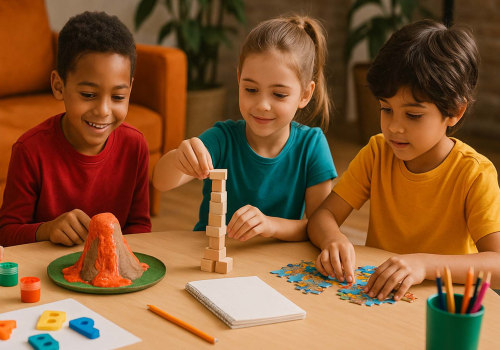
- Science Exploration Stations: Set up different stations around a classroom or outdoor area, each focusing on a specific science concept. Children can rotate between stations, engaging in hands-on experiments or observations that require them to move, such as collecting leaves for a biology project or measuring water for a physics experiment.
- History Treasure Hunts: Organise a treasure hunt where clues are based on historical facts or figures. As children search for clues, they can learn about history in an exciting way while running around and collaborating with their peers.
- Active Reading Sessions: During reading time, encourage children to act out scenes from the story. This could involve mimicking actions or emotions of characters, which not only enhances comprehension but also keeps them physically active and engaged with the narrative.
- Creative Arts and Movement: Integrate art with movement by having children create large murals or sculptures that require them to stretch, reach, and move around.
This approach allows them to express their creativity while staying active.
Fun Learning Activities that Promote Physical Engagement
Incorporating fun learning activities that promote physical engagement can significantly enhance children's educational experiences. These activities not only make learning enjoyable but also encourage movement, which is essential for their overall development. Here are some innovative ideas that blend education with physical activity:- Active Storytelling: Transform traditional storytime into an interactive adventure.
As you narrate a story, invite children to act out the characters' movements or emotions. For instance, if a character climbs a mountain, have the kids mimic climbing. This approach not only boosts comprehension but also keeps them physically active and engaged.
- Math Relay Races: Create a relay race where children solve math problems at various stations. Each correct answer allows them to dash to the next station.
This combination of physical exertion and critical thinking makes learning math both exciting and energetic.
- Scavenger Hunts: Organise themed scavenger hunts that require kids to find items related to specific subjects, such as science or history. Each clue can involve a physical challenge, like hopping or skipping, ensuring they stay active while learning.
- Interactive Learning Stations: Set up different stations around the classroom or outdoor area, each focusing on a unique subject. For example, one station could involve spelling words by jumping on letter mats, while another could have them throw bean bags into numbered hoops to practice addition. This variety caters to different learning styles and keeps children engaged.
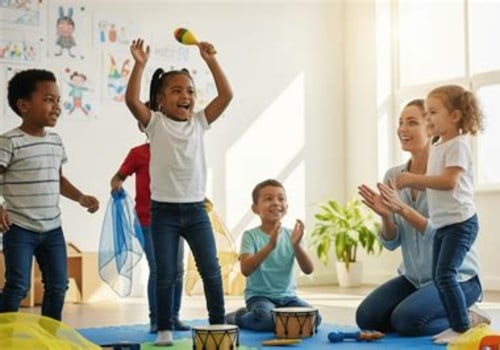
- Dance and Learn: Use music and dance to teach concepts such as the alphabet or numbers.
Create simple dance routines that incorporate movements representing different letters or numbers, allowing children to learn through rhythm and physical activity.
The Role of Outdoor Learning in Active Education
Outdoor learning environments offer a wealth of advantages that significantly enhance both physical activity and cognitive development in children. By stepping outside the confines of traditional classrooms, educators can create dynamic and engaging experiences that not only stimulate curiosity but also foster a profound appreciation for nature.Outdoor learning environments offer a wealth of advantages that significantly enhance both physical activity and cognitive development in children. By stepping outside the confines of traditional classrooms, educators can create dynamic and engaging experiences that not only stimulate curiosity but also foster a profound appreciation for nature.Benefits of Outdoor Learning
- Physical Activity: Engaging with the outdoors naturally encourages movement. Activities such as climbing, running, or even gardening not only promote fitness but also help children develop essential motor skills.
The physical demands of outdoor play can lead to improved coordination and strength, which are vital for overall health.
- Cognitive Development: Nature-based education allows children to experience hands-on learning, making abstract concepts more tangible. For instance, a simple nature walk can transform a lesson on ecosystems into an interactive adventure where students observe plants and animals in their natural habitats, enhancing their understanding and retention of information.
- Mental Well-being: Exposure to natural environments has been shown to reduce stress and anxiety levels in children. This mental clarity can lead to improved focus and better retention of information during lessons. The calming effects of nature can create a conducive learning atmosphere that promotes creativity and critical thinking.
- Social Skills Development: Outdoor learning often involves group activities that promote teamwork and communication.
Children learn to collaborate, share ideas, and solve problems together, which are essential skills for their future. These interactions foster a sense of community and belonging among peers.
Nature-Based Education
Integrating nature into the curriculum aligns perfectly with the principles of active learning. By using outdoor spaces for science experiments or art projects, educators can make learning enjoyable while instilling a sense of responsibility towards the environment. For example, conducting a science experiment outdoors allows students to observe real-world applications of their studies, reinforcing their understanding through practical experience.Moreover, outdoor learning encourages exploration and discovery.
Children are naturally curious, and being in an outdoor setting allows them to ask questions and seek answers in a way that is often not possible indoors. This exploration fosters a love for learning that extends beyond the classroom walls.In conclusion, the role of outdoor learning in active education is invaluable. By embracing the outdoors as an integral part of the curriculum, educators can create enriching experiences that promote physical activity while making learning enjoyable and effective. This holistic approach not only enhances academic performance but also nurtures well-rounded individuals who appreciate the world around them.
Involving Parents and Communities in Active Learning
Incorporating physical activity into learning is a multifaceted approach that thrives on collaboration between schools, parents, and communities.This partnership is essential for creating a supportive environment that nurtures active learning beyond the confines of the classroom.
Parent Involvement in Education
- Engage in Active Learning Activities: Parents can play a pivotal role by organising weekend outings that blend education with physical activity. For instance, nature walks can be an excellent opportunity for children to learn about local flora and fauna while enjoying the outdoors.
- Create a Learning Routine: Establishing a daily routine that includes both study time and physical play can help children associate learning with enjoyment. This balance encourages them to view education as an engaging and dynamic process.
- Participate in School Events: By attending school fairs, sports days, or open houses, parents not only show their support but also reinforce the importance of both academic achievement and physical fitness in their children's lives.
Community Support for Active Learning
- Local Partnerships: Schools can benefit immensely from forming partnerships with local sports clubs or community centres. These collaborations can lead to workshops that combine educational content with physical activities, such as science experiments conducted in parks.
- Volunteer Opportunities: Community members can contribute by volunteering to lead workshops or activities that promote both education and exercise.
For example, storytelling sessions that incorporate movement games can make learning more interactive and enjoyable.
- Resource Sharing: Communities can establish resource libraries where families can borrow educational games that require physical activity. This initiative makes learning accessible and fun while encouraging families to engage together.
Family Activities for Learning
- Scavenger Hunts: Organising scavenger hunts that require children to solve clues related to their studies while moving around can make learning exciting and physically engaging.
- Cultural Festivals: Participating in local cultural festivals allows families to learn about different traditions while engaging in dance or sports activities, fostering a sense of community and shared learning experiences.
- Gardening Projects: Starting a family garden not only teaches children about biology and ecology but also involves them in physical work, promoting teamwork and responsibility.
Challenges and Solutions in Implementing Active Learning
Incorporating physical activity into educational settings can be a rewarding yet challenging endeavour for educators. Understanding the common obstacles they face is crucial for developing effective strategies that promote active learning.Challenges in Active Learning
- Curriculum Constraints: Many educators feel constrained by rigid curricula that prioritise academic content over physical activity.
This can lead to a perception that integrating movement into lessons may detract from essential learning objectives.
- Resource Limitations: Schools often face limitations in terms of space, equipment, and time. A lack of suitable facilities or materials can hinder the implementation of active learning strategies, making it difficult for teachers to create engaging, movement-based lessons.
- Diverse Student Needs: Classrooms are filled with students of varying physical abilities and interests. Some children may excel in physical activities, while others may struggle, leading to feelings of exclusion or frustration during active learning sessions.
- Insufficient Training: Many educators lack the training necessary to effectively integrate physical activity into their teaching practices. Without proper guidance, teachers may feel unprepared to implement movement-based strategies confidently.
Solutions for Educators
- Flexible Curriculum Design: Schools should consider adopting a more flexible curriculum that allows for the integration of physical activity without compromising educational standards.
This could involve incorporating short movement breaks between lessons or using active learning techniques during subject instruction.
- Collaboration and Resource Sharing: Partnering with local community centres, sports clubs, or health organisations can provide access to additional resources and facilities. Such collaborations can enhance the variety of activities available to students and create a more dynamic learning environment.
- Differentiated Activities: Offering a range of activities that cater to different skill levels ensures that all students can participate and benefit from active learning. For instance, providing options for both high-energy and low-impact activities can accommodate diverse needs and encourage inclusivity.
- Professional Development Opportunities: Investing in training for teachers on how to effectively incorporate movement into their lessons can empower them to feel more confident in their approach. Workshops and seminars focused on active learning strategies can be invaluable in equipping educators with the necessary skills.
This not only enhances children's physical health but also significantly improves their academic performance and overall well-being.
FAQs about Physical Activity and Learning for Kids
As the integration of physical activity into educational settings becomes increasingly recognised for its benefits, many questions arise among educators and parents. Below are some frequently asked questions that address common concerns and misconceptions about active learning and the role of movement in children's education.What are the key benefits of incorporating physical activity into learning?
- Enhanced Concentration: Engaging in physical activity increases blood flow to the brain, which can significantly improve focus and attention during lessons.
- Improved Memory Retention: Movement has been shown to aid in solidifying information in a child’s memory, making it easier for them to recall what they have learned.
- Boosted Mood and Motivation: Physical activity releases endorphins, which can elevate a child’s mood and enhance their motivation to engage with learning materials.
- Development of Social Skills: Group activities that involve movement foster teamwork and communication, essential skills for collaborative learning environments.
Are there any misconceptions about physical activity in education?
- Physical Activity Distracts from Learning: Contrary to this belief, research indicates that movement can actually enhance cognitive function and improve academic performance.
- Only Structured Sports Count as Physical Activity: Any form of movement, including active play and classroom breaks, contributes positively to a child’s overall learning experience.
- Physical Education is Sufficient: While physical education is important, it should be complemented with active learning strategies throughout the school day to maximise benefits.
How can parents encourage active learning at home?
- Incorporate Movement into Homework: Encourage children to take breaks for stretching or short exercises while studying to keep their energy levels up.
- Create Interactive Learning Experiences: Use games that require physical activity to teach concepts, such as counting or spelling, making learning more engaging.
- Establish a Routine: Set regular times for active play or family walks to reinforce the importance of movement in daily life and create a balanced routine.
Conclusion: Embracing Active Learning for a Brighter Future
In conclusion, the integration of physical activity into learning environments is not merely a trend but a vital approach to enhancing children's educational experiences. As we have explored throughout this article, the benefits of active learning extend far beyond mere enjoyment; they encompass improved cognitive function, better retention of information, and the development of essential life skills.By embracing fun learning for kids , educators and parents can create dynamic and engaging environments that cater to diverse learning styles.The strategies discussed, such as math relay races, interactive storytelling, and outdoor learning, illustrate how movement can be seamlessly woven into various subjects, making education both enjoyable and effective.Moreover, the role of parents and communities in supporting active learning cannot be overstated. When families engage in educational activities that promote physical movement, they reinforce the idea that learning is a holistic process that encompasses both mind and body. This collaborative effort fosters a sense of community and belonging, which is crucial for children's overall development.As we look towards the future, it is essential to challenge the traditional perceptions of education that often prioritise sedentary learning. By advocating for a more flexible curriculum that incorporates physical activity, we can help children develop not only academically but also socially and emotionally.
The evidence is clear: children who are physically active are more likely to excel in their studies and develop a lifelong love for learning.In summary, embracing active learning is a powerful step towards nurturing well-rounded individuals who are prepared to face the challenges of tomorrow. By prioritising movement within educational settings, we can ensure that children not only thrive academically but also enjoy their journey of discovery and growth.