In the realm of fun learning for kids, the concept of trial and error learning stands out as a vital approach that fosters creativity and resilience. This method encourages children to explore, experiment, and engage with their environment in a way that is both enjoyable and educational. By allowing kids to make mistakes and learn from them, we create an atmosphere where they feel safe to take risks, which is essential for their cognitive and emotional development. When children engage in trial and error, they are not just solving problems; they are also developing critical thinking skills. Each attempt, whether successful or not, provides valuable feedback that helps them refine their strategies and understand the world around them. , they are not just solving problems; they are also developing critical thinking skills. Each attempt, whether successful or not, provides valuable feedback that helps them refine their strategies and understand the world around them.
This process is inherently fun, as it transforms learning into an adventure filled with discovery. Instead of rote memorisation or passive absorption of information, children become active participants in their own learning journey. The importance of trial and error extends beyond academic achievement; it cultivates a growth mindset. Children learn that failure is not a setback but rather a stepping stone towards success. This understanding empowers them to tackle challenges with confidence and curiosity, making learning a lifelong pursuit.
In essence, integrating fun learning for kids through trial and error not only enhances their knowledge but also equips them with essential life skills that will serve them well into adulthood.
The Benefits of Learning Through Trial and Error
Learning through trial and error is a fundamental aspect of fun learning for kids, offering numerous benefits that contribute to their overall development. This approach encourages children to engage actively with their environment, fostering a sense of curiosity and exploration.Critical Thinking Skills
When children are allowed to experiment and make mistakes, they develop critical thinking skills. They learn to analyse situations, consider different outcomes, and make informed decisions based on their experiences. This process not only enhances their cognitive abilities but also prepares them for real-world challenges.
Problem-Solving Abilities
Trial and error is an effective way for kids to hone their problem-solving abilities.
As they encounter obstacles, they learn to devise multiple strategies to overcome them. This iterative process teaches them that failure is not the end but rather a stepping stone towards success. For instance, when building a structure with blocks, a child may find that their initial design collapses. By adjusting their approach and trying again, they gain insights into balance and stability.
Resilience Development
One of the most significant benefits of learning through mistakes is the development of resilience.
Children who experience setbacks learn to cope with disappointment and understand that persistence is key. This resilience not only boosts their confidence but also instils a growth mindset, encouraging them to embrace challenges rather than shy away from them.
Encouraging Creativity
Moreover, trial and error fosters creativity. When children are free to explore various methods without the fear of making mistakes, they are more likely to think outside the box. This creative freedom can lead to innovative solutions and unique ideas that might not have emerged in a more structured learning environment.In conclusion, incorporating trial and error into fun learning for kids not only enhances critical thinking, problem-solving skills, and resilience but also nurtures creativity.
By embracing this learning style, we equip children with essential life skills that will serve them well into adulthood.
How Trial and Error Encourages Creativity
Encouraging children to engage in trial and error is a powerful way to foster their creativity. When kids are allowed to experiment, they learn that making mistakes is not only acceptable but also a vital part of the learning process. This approach helps them develop innovative thinking and problem-solving skills, which are essential in today’s fast-paced world.One of the most effective ways to incorporate trial and error into fun learning activities is through hands-on projects. For instance, consider a simple science experiment where children create a homemade volcano.They can mix baking soda and vinegar to see the reaction, but if the initial attempt doesn’t produce the expected eruption, they can adjust the quantities or try different materials. This process not only teaches them about chemical reactions but also encourages them to think critically about what went wrong and how they can improve their experiment.Another engaging activity is building with blocks or LEGO. Children can design structures based on their imagination, but when their creations collapse or don’t stand as intended, they learn to reassess their designs. This iterative process of building, testing, and rebuilding nurtures their creative problem-solving abilities.Art projects also provide an excellent platform for trial and error.
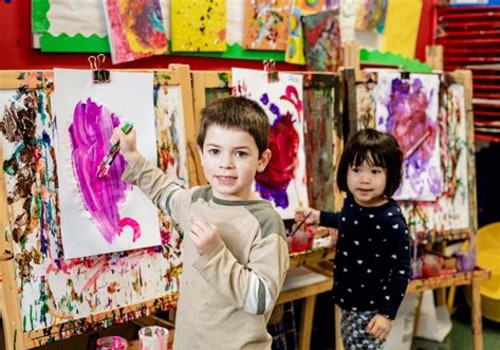
When children paint or draw, they often experiment with colours and techniques. If a particular colour combination doesn’t work out, they can learn to mix new shades or apply different methods to achieve their desired effect. This freedom to explore without fear of failure enhances their artistic expression.In conclusion, allowing children to learn through trial and error not only makes learning fun but also cultivates a mindset geared towards creativity and innovation. By embracing mistakes as part of the journey, children become more resilient and open-minded thinkers, ready to tackle challenges with confidence.
Real-Life Examples of Trial and Error in Learning
Learning through trial and error is a fundamental aspect of childhood development, and it can be observed in various real-life scenarios.Here are some practical applications where children engage in fun learning experiences through this method:
- Cooking with Parents: When children help in the kitchen, they often experiment with different ingredients and cooking methods. For instance, a child might try adding too much salt to a dish, only to discover that it ruins the flavour. This experience teaches them about balance and the importance of measuring ingredients accurately.
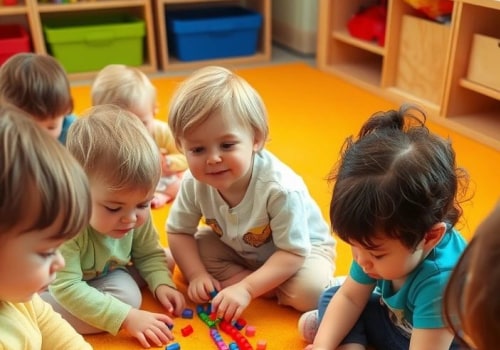
- Building with Blocks: In play settings, children frequently use building blocks to create structures. They may initially build a tower that collapses under its own weight.
Through this process, they learn about stability and balance, adjusting their designs until they achieve a successful outcome.
- Gardening: When children plant seeds, they often face challenges such as poor soil conditions or insufficient sunlight. By observing what works and what doesn’t, they learn about the needs of plants and the importance of nurturing them, fostering a sense of responsibility.
- Sports and Games: In sports, children learn valuable lessons through trial and error. For example, when learning to ride a bicycle, they may fall several times before mastering balance. Each attempt teaches them something new about coordination and perseverance.
By allowing children to explore their environment and make mistakes, we provide them with opportunities to develop critical thinking skills and resilience. This approach not only makes learning enjoyable but also equips them with the tools they need for future challenges.
Creating a Safe Environment for Trial and Error Learning
Creating a safe learning environment is essential for children to engage in fun learning through trial and error. When kids feel secure, they are more likely to explore new ideas and take risks without the fear of harsh criticism or failure. This sense of safety encourages them to experiment, which is a crucial part of the learning process.To foster such an environment, parents and educators can implement several strategies:- Encourage Open Communication: Create a space where children feel comfortable expressing their thoughts and feelings.
Let them know that it’s okay to ask questions and share their mistakes.
- Celebrate Mistakes: Instead of punishing errors, celebrate them as opportunities for growth. Acknowledge that making mistakes is a natural part of learning and can lead to valuable insights.
- Provide Supportive Feedback: Offer constructive feedback that focuses on the effort rather than the outcome. This helps children understand that the process is just as important as the result.
- Create Fun Learning Spaces: Design areas that inspire creativity and exploration. Use materials that encourage hands-on activities, allowing children to learn through play.
For instance, using games or interactive activities can make the learning process enjoyable while also teaching resilience and problem-solving skills.Ultimately, by establishing a supportive environment, we empower children to embrace challenges and view mistakes as stepping stones towards success. This approach not only enriches their educational experience but also instills a lifelong love for learning.
Common Misconceptions About Trial and Error Learning
Despite the numerous benefits of trial and error learning, several misconceptions persist that may discourage parents and educators from adopting this approach. Understanding these myths is crucial for fostering an environment where fun learning for kids can thrive.- Myth 1: Mistakes are a sign of failure
Many believe that making mistakes indicates a lack of intelligence or capability. In reality, mistakes are essential stepping stones in the learning process.They provide valuable feedback that helps children understand what works and what doesn’t, ultimately leading to deeper comprehension.
- Myth 2: Trial and error is inefficient
Some argue that this method is time-consuming compared to traditional learning techniques. However, the skills gained through learning from mistakes—such as problem-solving, critical thinking, and resilience—are invaluable and often lead to quicker mastery of concepts in the long run. - Myth 3: It promotes carelessness
There is a concern that allowing children to learn through trial and error may encourage reckless behaviour. On the contrary, when guided appropriately, this method teaches children to assess risks and make informed decisions, fostering a sense of responsibility. - Myth 4: It’s only suitable for certain subjects
While some may think that trial and error is only applicable in subjects like science or art, it can be integrated into all areas of learning. Whether it’s mathematics, language arts, or social studies, embracing mistakes can enhance understanding across the board.
By dispelling these myths, we can encourage a culture where children feel safe to explore, experiment, and ultimately learn from their experiences.
Encouraging a Growth Mindset Through Trial and Error
Encouraging a growth mindset in children is essential for their development, and one of the most effective ways to achieve this is through the process of trial and error. When children engage in activities that allow them to experiment, make mistakes, and learn from those mistakes, they begin to understand that failure is not a setback but a stepping stone towards success.By embracing a fun learning mindset, children can approach challenges with curiosity rather than fear. This shift in perspective fosters resilience, as they learn to view obstacles as opportunities for growth. Here are some key benefits of encouraging trial and error:- Understanding Failure: Children learn that making mistakes is a natural part of the learning process.
This understanding helps them to not be discouraged by setbacks.
- Problem-Solving Skills: Engaging in trial and error encourages critical thinking and creativity. Children develop the ability to analyse situations, come up with solutions, and adapt their strategies.
- Increased Confidence: As children successfully navigate challenges through trial and error, their confidence grows. They become more willing to take risks in future learning experiences.
- Resilience Building: Learning to cope with failure helps children build resilience. They become more persistent and determined, qualities that are invaluable throughout life.
This playful approach not only makes learning enjoyable but also reinforces the idea that every mistake is an opportunity to learn something new.Ultimately, by fostering a culture of trial and error, we equip children with the tools they need to thrive in an ever-changing world. They learn that success is not merely about achieving perfection but about embracing the journey of learning itself.
Conclusion: Embracing Trial and Error for Lifelong Learning
In conclusion, the journey of fun learning for kids is significantly enriched by the practice of trial and error. This approach not only fosters creativity and critical thinking but also instills resilience in young learners. By allowing children to experiment, make mistakes, and learn from them, we equip them with essential life skills that extend far beyond the classroom.Throughout this article, we have explored how trial and error encourages children to:- Develop problem-solving skills: When faced with challenges, kids learn to devise multiple solutions, enhancing their ability to think critically.
- Build confidence: Each attempt, whether successful or not, contributes to a child’s self-esteem, teaching them that failure is a natural part of the learning process.
- Enhance creativity: Experimentation allows children to explore different ideas and approaches, fostering an innovative mindset.
- Understand consequences: Through trial and error, kids learn that actions have outcomes, helping them make informed decisions in the future.
It transforms learning into an engaging adventure rather than a rigid task. As educators and parents, it is crucial to support this exploration by providing opportunities for hands-on experiences and encouraging curiosity.Ultimately, by prioritising fun learning for kids through trial and error, we are not just teaching them academic concepts; we are preparing them for a lifetime of exploration, adaptability, and success in an ever-changing world. Let us celebrate the beauty of mistakes as stepping stones towards mastery and lifelong learning.